
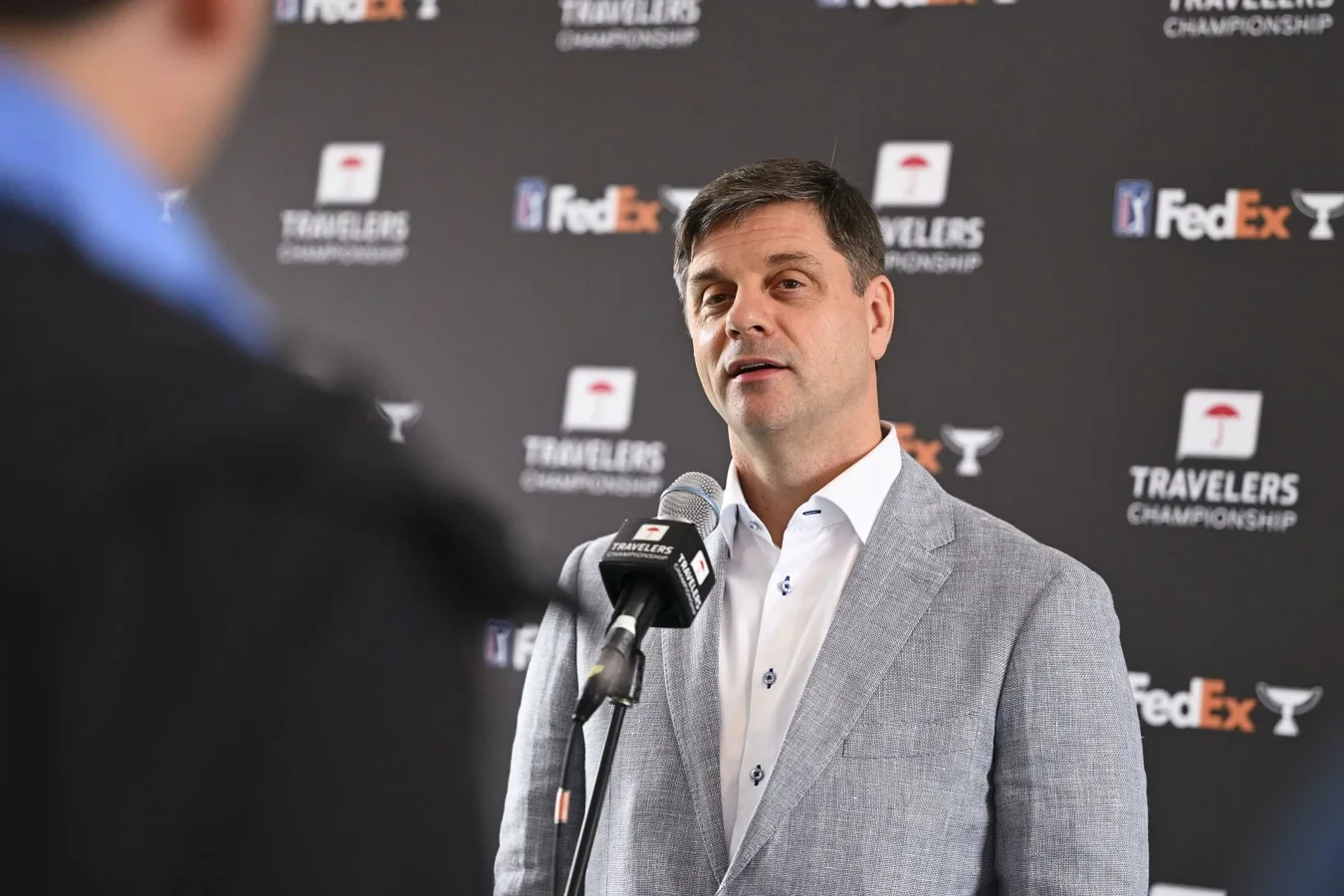

Since assuming leadership of the PGA Tour in June 2025, CEO Brian Rolapp has encountered immense pressure to establish a strategic vision aligning with the league’s long-term goals and investor expectations. The new CEO inherited a substantial $1.5 billion investment, placing the spotlight on his ability to navigate complex challenges within the golf world. This transition comes at a time when the PGA Tour is adjusting to competition from rival leagues such as LIV Golf and ongoing shifts in the sports business landscape.
Rolapp’s appointment follows Jay Monahan’s tenure, a leader deeply rooted in golf who prioritized tradition and player trust during turbulent times like the LIV Golf disruption. Critics now scrutinize Rolapp’s approach, questioning whether his background in sports media and business development, notably with the <a href=”https://www.buzzineintl.com/category/football/nfl/”>NFL, will translate effectively to the PGA Tour’s unique environment.
Challenges in Reimagining the PGA Tour’s Postseason and Fan Engagement
Veteran golf journalists Damon Hack and Eamon Lynch recently discussed Rolapp’s prospects on Golf Channel’s Golf Central. Hack emphasized the opportunity to revamp the FedEx Cup Playoffs, which have recently drawn criticism for confusing formats and overt commercialization that disconnect from the sport’s authentic spirit. Simplifying or adjusting the postseason could rejuvenate fan interest and restore traditional values within the competition.
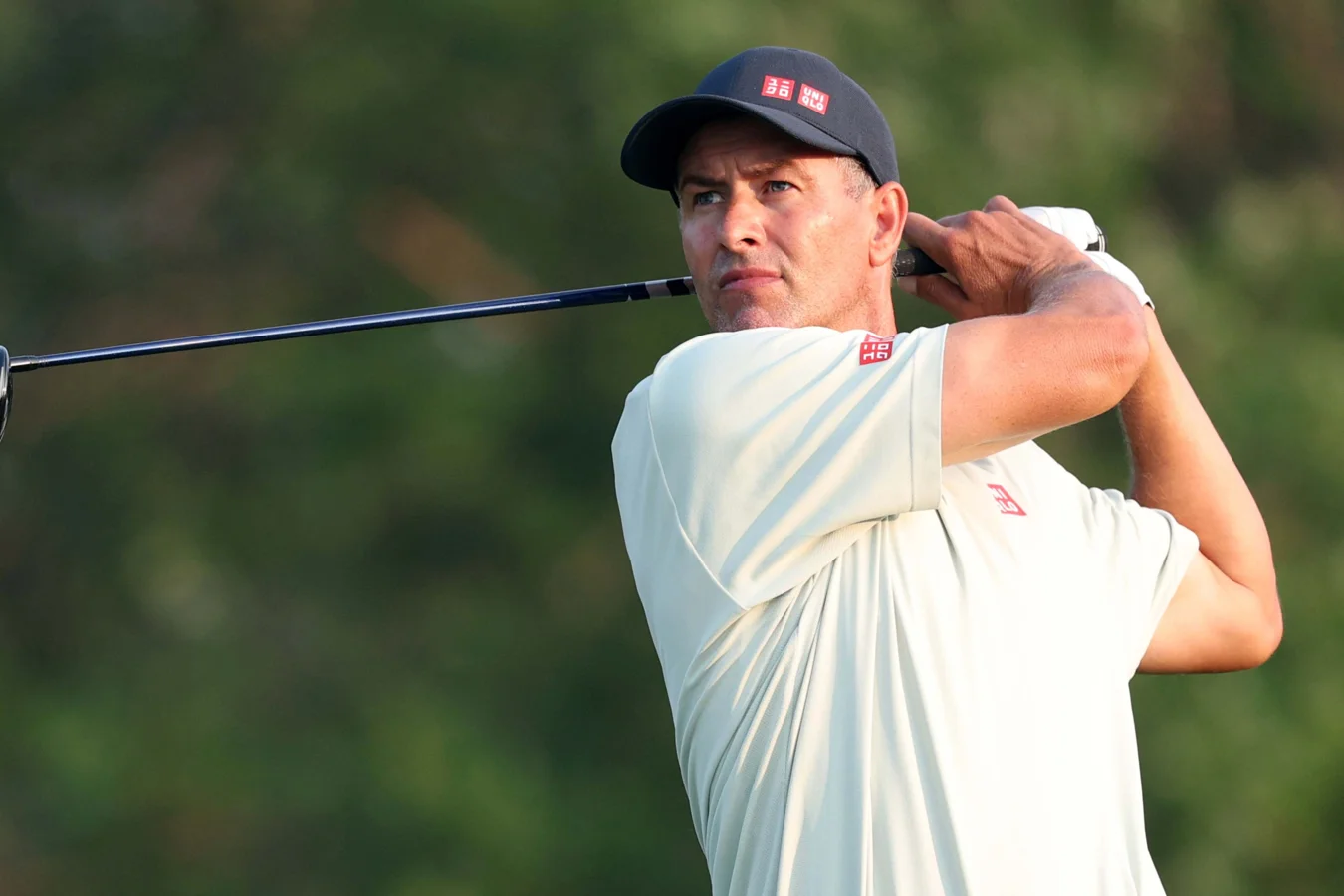
“There’s an opportunity for Brian to massage the postseason in a way that’s more palatable to the golf fan,”
Hack remarked, emphasizing the need for a balance between commercial imperatives and the game’s heritage.
Lynch added a perspective on Rolapp’s priorities and challenges related to integrating himself within the golf community. He noted the gulf between Rolapp’s media-driven background and the deeply ingrained culture of professional golf, underscoring the importance of trust-building and stakeholder relationships.
“Yeah, it’s going to be interesting to see what Rolapp’s priorities are.”
“I think he has to start with building relationships. He’s not from the golf industry, right? So he doesn’t really know anyone in the golf industry, so he’s got to sort of build those relationships with stakeholders.”
Building Alliances with Golf’s Traditions and Key Stakeholders
Lynch recommended that Rolapp pursue connections with respected figures within the sport to affirm his respect for golf’s foundations. He specifically suggested initiating dialogue with Jack Nicklaus, whose legacy symbolizes the game’s tradition and authority. Establishing such foundational relationships could signal Rolapp’s commitment to honoring the sport’s history despite his different professional background.
“Start with Jack Nicklaus. Go to Florida, meet Jack Nicklaus. Jack Nicklaus represents tradition, authority, and legacy in golf—meeting him first would send a clear message of respect to the game’s foundations. Then meet the FedEx, meet the sponsors, meet the tournaments, meet the players.”
Lynch emphasized the influence sponsors wield beyond financial support, highlighting their role in shaping tournament scheduling, player incentives, and broadcast strategies. Additionally, he stressed the essential role of fans, noting their impact on everything from media rights to merchandise sales.
“Meet the fans. You can’t overlook the fact that the fans are the biggest stakeholders in this game.”
Managing the $1.5 Billion Investment Amid Competitive and Global Pressures
One of Rolapp’s immediate tasks involves crafting a thoughtful plan for the $1.5 billion allocated to the PGA Tour’s growth and sustainability. This financial infusion, secured prior to his appointment, represents both an opportunity and a challenge in balancing investor expectations and the preservation of golf’s global stature. Some investors, such as Fenway Sports Group, have expressed concerns about ongoing competition, particularly from Europe’s DP World Tour.
Lynch advised that part of this funding should be dedicated to strengthening alliances with the DP World Tour, referencing past occasions when the PGA Tour stepped in to support the financially strained European circuit back in 2020. Such consolidation could foster a unified approach benefiting the sport worldwide.
“Some of that slush fund ought to be allocated to consolidating relations with the DP World Tour.”
The Stakes for Rolapp’s Leadership and the Future of the PGA Tour
Rolapp’s initial moves with the investment will likely shape his legacy, either solidifying his leadership and the Tour’s prominence or exposing the organization to criticism and potential setbacks. The challenge lies in satisfying various stakeholders—from players and sponsors to fans—while innovating thoughtfully to preserve the league’s heritage and market relevance.
How Rolapp balances digital media modernization, fan engagement, and traditional golf values remains to be seen. His success in navigating these competing interests will influence golf’s place on the global sports stage for years ahead. Observers and fans alike are closely watching to determine whether his $1.5 billion strategy will secure the PGA Tour’s future or lead to unforeseen consequences.