
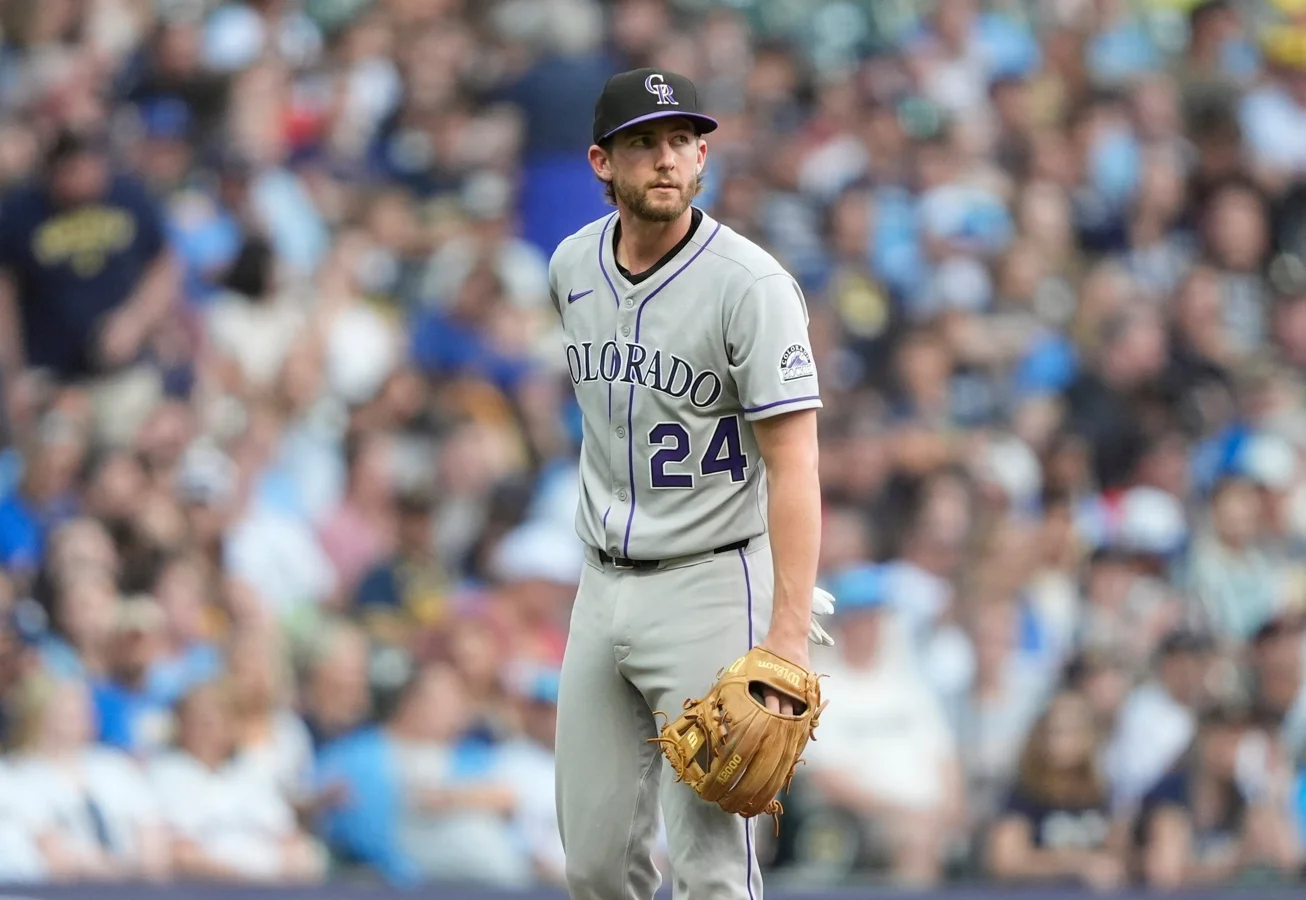

The Colorado Rockies officially began their roster changes ahead of the MLB trade deadline by sending longtime infielder Ryan McMahon to the New York Yankees last week. This trade marked the end of McMahon’s tenure with the Rockies, a team that drafted him in the second round back in 2013, as part of their efforts to rebuild for the future.
Facing a challenging market for McMahon, the Rockies managed to secure two promising pitching prospects in return: Griffin Herring, a left-hander selected in the 2024 MLB draft, and Josh Grosz, a right-hander taken in the 2023 draft. This exchange reflects Colorado’s priority to strengthen its pitching depth, a consistent need for the franchise.
Details of the Incoming Pitching Prospects
Griffin Herring and Josh Grosz bring potential to the Rockies’ farm system, even though neither currently features an elite pitch. Herring was a sixth-round pick out of LSU in this year’s draft, while Grosz was selected in the sixth round last year from East Carolina University. While still developing, these arms address Colorado’s ongoing demand for young pitching talent.
Turning a veteran infielder such as McMahon into two pitching prospects highlights the Rockies’ dedication to long-term growth, prioritizing the depth of their pitching staff over immediate offensive production.
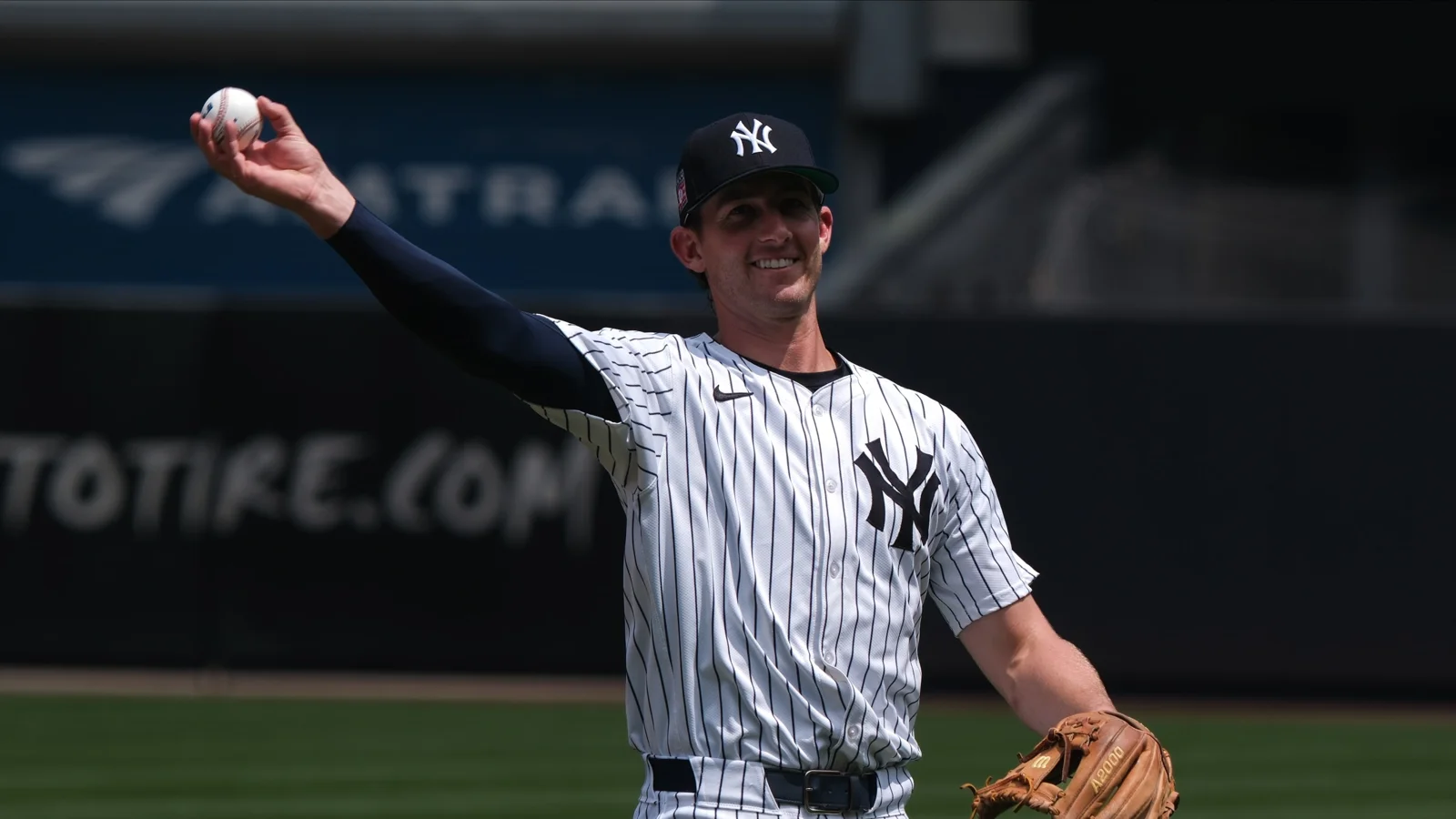
Why Ryan McMahon’s Trade Market Was More Limited Than Anticipated
Despite multiple contending teams needing third base solutions before the trade deadline, McMahon did not draw as much interest as initially expected. Teams like the Detroit Tigers and Houston Astros, who both have urgent needs at third base with Houston sidelined for Isaac Paredes, might have been logical suitors. Additionally, the Seattle Mariners, Cincinnati Reds, and Chicago Cubs all require reinforcements at that position.
However, the Chicago Cubs, often viewed as a potential McMahon destination, ultimately were not in the mix. According to Jesse Rogers of ESPN,
“But the Cubs weren’t really in on McMahon, according to league sources, which provides a window into how they are approaching the hot corner this month.”
Confidence in rookie Matt Shaw’s development appears to have influenced the Cubs’ approach, as his recent improvement after the All-Star break encourages Chicago to continue relying on him at third base rather than pursue an external veteran option.
Implications for the Rockies and Outlook Moving Forward
The Rockies can view their trade haul positively, obtaining two young pitchers from a strong talent pool rather than selling McMahon to the highest bidder. Especially given a thinner market for his services, Colorado’s deal adds valuable assets to their system while moving forward with rebuilding efforts.
If the Cubs had aggressively pursued McMahon, Colorado might have commanded additional or different prospects from their pipeline. Instead, the Rockies secured a trade that aligns with their organizational priorities and addresses a critical area of need.
As the trade deadline approaches, the Rockies’ focus will remain on maximizing returns for veteran players and accumulating young talent, particularly in pitching, to foster long-term competitiveness in the league.