
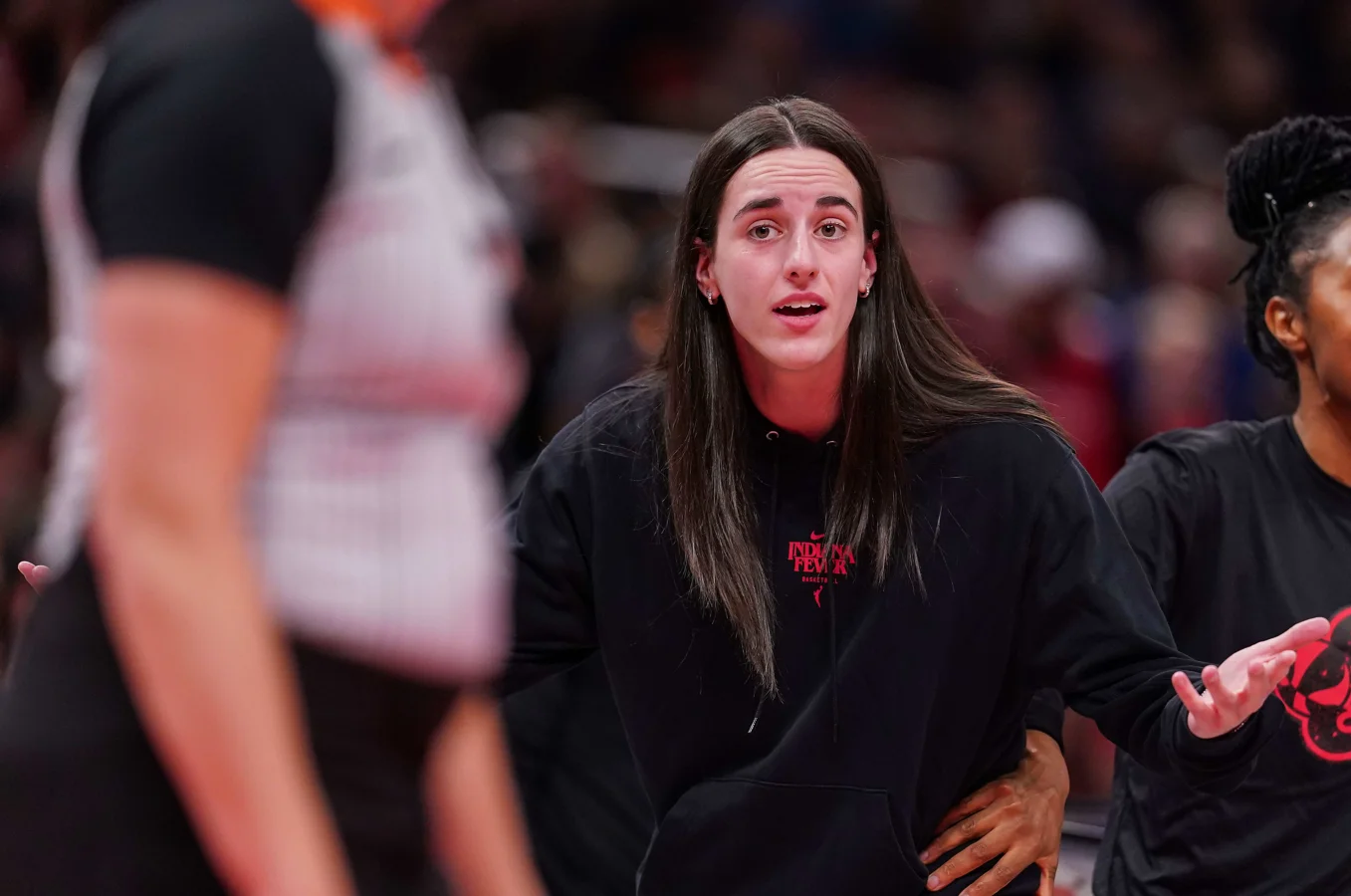

Paige Bueckers has distinguished herself in the WNBA with a calm, composed style of play, exemplified recently during a game against the Golden State Warriors where she patiently assessed her options and delivered an impeccable pass leading to a corner three-point shot. This moment, though subtle, shows the unique composure Bueckers brings to the league’s fast pace and intense attention.
Her rookie season numbers reinforce her impact, with averages over 18 points, nearly six assists, and four rebounds per game. Yet Bueckers’ significance extends beyond statistics; her journey highlights the ongoing conversation about who the WNBA chooses to spotlight and how issues of race, identity, and media attention influence recognition in the league.
Contrasting Visibility: Caitlin Clark’s Bold Presence vs. Bueckers’ Milestones
Caitlin Clark of the Indiana Fever has commanded relentless media coverage and sparked widespread debate, while Paige Bueckers has quietly achieved historic milestones, such as being the first player to surpass 350 points and 100 assists within her first 20 games. This contrast reveals more than differing styles or statistics—it exposes how the league, media, and fans differently receive these two talents.
Both Clark and Bueckers are white athletes competing in a league historically shaped by Black women who have been pivotal to its culture and success. Despite this, media focus on Clark and Bueckers underscores the privileges connected to their identities. Bueckers has openly acknowledged this dynamic, remarking upon the lack of deserved media coverage for Black women in the sport:

“Black women have carried this sport for so long, and they don’t get the media coverage or the shine that they deserve.” —Paige Bueckers, WNBA Player
Moreover, both players navigate public expectations shaped by race, leadership perceptions, and personal identities. Bueckers’ decision to publicly share her relationship with Azzi Fudd was met with largely positive support, differing from the heavier scrutiny faced by some of her Black and queer peers like Layshia Clarendon, who challenge the league’s established norms more directly.
Exploring the Broader Narrative Around Women’s Basketball and Representation
The differing public narratives around Bueckers and Clark provide insight into the WNBA’s ongoing struggle with representation and which stories gain prominence. Clark is portrayed frequently as a disruptive, headline-grabbing figure, while Bueckers is praised for her poise, skills, and now her quiet openness about her identity. Both narratives reveal how much the league still needs to address in allowing diverse voices and identities equal visibility.
Bueckers continues to lead the Dallas Wings with steady performances and record-breaking achievements, while Clark remains a central figure in Indiana, stirring both excitement and conversation among fans and commentators. Their parallel trajectories are shaping not only the game on the court but also the broader conversations about who deserves recognition in women’s professional basketball.
As the WNBA season progresses, the stories of Paige Bueckers and Caitlin Clark emphasize that the ongoing debate over visibility goes beyond athletic prowess, touching on the identity and future direction of the league. Their presence invites the community to reconsider who is seen, how, and why—pointing to unfinished business in making every player’s star truly shine within the sport’s evolving landscape.