
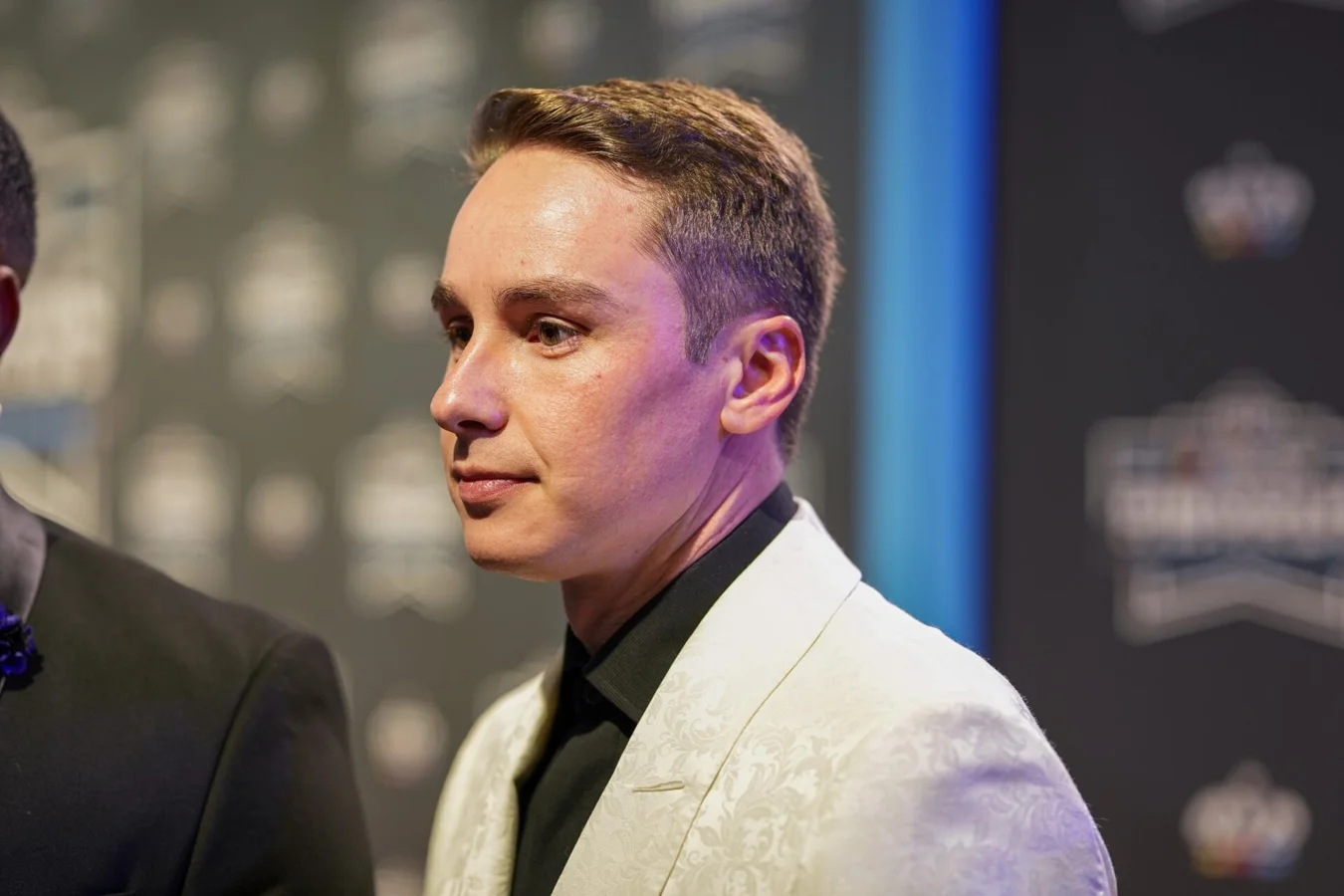

At the recent Brickyard 400 in Indianapolis, Christopher Bell’s bold on-track maneuver involving Zane Smith‘s #38 car generated significant attention and stirred debate within the NASCAR community. Smith’s car was sent into the wall following contact from Bell’s #20 vehicle, creating a dramatic moment that immediately raised questions about the legality and sportsmanship of Bell’s actions.
This event occurred amid ongoing scrutiny over deliberate wrecks in NASCAR, with many anticipating a severe penalty for Bell similar to those imposed on Austin Hill earlier this season. However, Bell’s previously unblemished record and reputation for calculated driving influenced the ruling in his favor.
NASCAR’s Reasoning Behind the Decision
Motorsports journalist Bob Pockrass provided insights into NASCAR’s verdict, describing Bell’s move as “aggressive, but mistimed,” rather than an intentional retaliation. NASCAR stressed the importance of driver intent, choosing to differentiate between acts driven by malice and those arising from competitive circumstances without premeditation.
This ruling reflects NASCAR’s broader challenge in distinguishing between aggressive racing tactics and deliberate harmful behavior, emphasizing the role of intent in disciplinary considerations.
Fan Reactions and Social Media Response
The decision not to penalize Christopher Bell received widespread support from fans across social media platforms, who praised NASCAR for maintaining consistency in its judgments. Supporters argued that the absence of any personal animosity between Bell and Smith supported the conclusion that the incident was a racing mishap rather than a retaliatory attack.
This reaction underscores a shared desire among fans for clarity and fairness in officiating, particularly when incidents blur the line between competitive aggression and inappropriate conduct.
Implications for NASCAR’s Approach to Racing Incidents
The outcome of this ruling has significant implications for how aggressive moves on the track may be judged in the future, with NASCAR demonstrating its commitment to evaluating the context surrounding such events thoroughly. By clearing Bell of intentional wrongdoing, NASCAR reinforced principles of fair competition while also validating drivers’ instinctive decision-making under high-pressure conditions.
As NASCAR continues to navigate the complexities of competitive conduct enforcement, this case highlights the organization‘s effort to balance strict rule adherence with recognition of the unpredictable nature of racing. Fans and stakeholders alike will be watching closely to see how similar incidents are managed moving forward.