
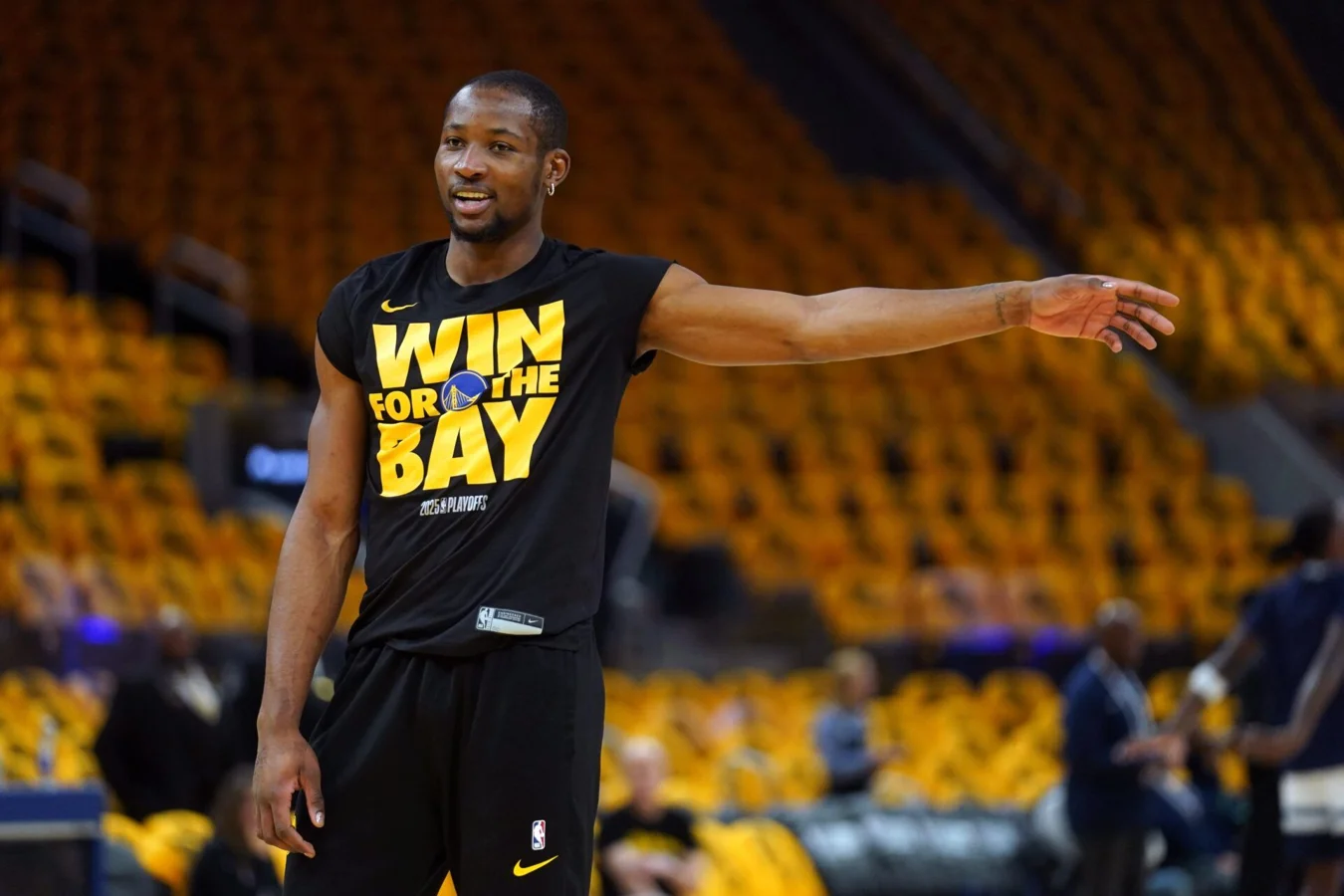

The ongoing contract impasse involving Jonathan Kuminga and the Golden State Warriors shows little sign of resolution, creating a tense and toxic atmosphere around the team. Experts warn that a return of the Congolese forward for the 2025-26 season may only deepen the conflict and disrupt the Warriors’ plans.
Bay Area analyst Mark Willard expressed serious concern about how the situation has deteriorated. On July 30, during his 95.7 The Game radio show, he described the scenario as beyond repair, emphasizing the level of toxicity involved.
And a lot of these things happen underneath the covers. We only know what we know. And I’m damn sure it’s worse than what we know.
—Mark Willard, Radio Analyst
Jonathan Kuminga can not be on the Warriors this season. He doesn’t want to be here. It’s clear as day. This is irreparable. Get this toxicity OUT!
—Mark Willard, Radio Analyst
Willard urged the Warriors to consider trading Kuminga, even if it means accepting a lower offer, believing that keeping the player amid this standoff would derail their upcoming season.
How the Stalemate Hampers Warriors’ Offseason Moves
The standoff with Kuminga appears to have contributed to the Warriors’ unusually quiet offseason, with no major signings or trades made so far. Willard cited this lack of activity as a direct result of the unresolved contract dispute.
They’re literally the only ones who haven’t made a move [in free agency],
—Mark Willard, Radio Analyst
… This guy has told Shams [Charania] that this organization stunted his growth. I don’t want that [attitude] on the team. He doesn’t want to be on this team.
—Mark Willard, Radio Analyst
Adding to the tension, Kuminga posted a social media message that some interpreted as signaling his readiness to accept the team’s qualifying offer, making him a free agent in 2026. His Instagram caption read:
I’ll bet on myself all day
—Jonathan Kuminga, Forward
Implications if Kuminga Accepts the Qualifying Offer
If Kuminga chooses the one-year, $7.9 million qualifying offer, the Warriors could face even greater challenges managing his future. An NBA executive explained how this move could limit Golden State’s ability to negotiate trades or team-building strategies.
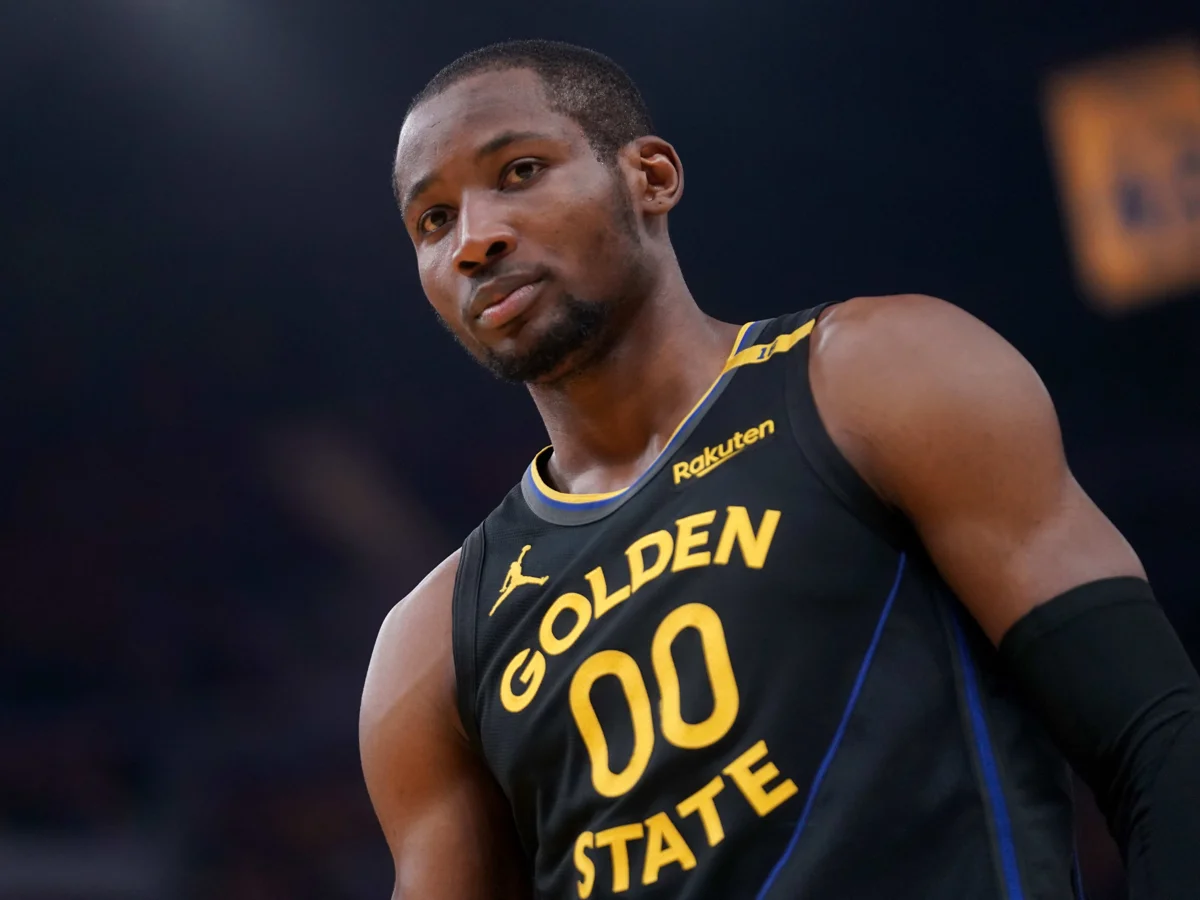
If he takes the qualifying offer, the Warriors are f–ked from a team-building standpoint, because they need to get him on a deal where they can trade him, That’s the key for them.
—Anonymous NBA Executive (to The Athletic)
The 22-year-old has sought a longer-term contract reportedly totaling around $90 million over four years. Among interested parties, the Phoenix Suns have offered to meet his demands via a sign-and-trade proposal. However, Golden State rejected this offer, which involved players like Nick Richards and Royce O’Neale, alongside multiple second-round picks, according to ESPN’s Marc J Spears.
Negotiations with Other Teams and Warriors’ Strategy
Reports from ESPN’s Shams Charania and Anthony Slater revealed that the most substantial contract discussions have taken place with the Sacramento Kings and Phoenix Suns. Both teams reportedly proposed deals approaching $90 million over four years, including a player option for the final season.
The most significant negotiations have been with the Sacramento Kings and Phoenix Suns, getting proposals up to four years approaching $90 million total, including a player option for the final season, sources said. Phoenix has made the most lucrative push via sign-and-trade,
—Shams Charania and Anthony Slater, ESPN Reporters
Despite these offers, the Warriors appear increasingly inclined to abandon sign-and-trade negotiations altogether, opting to use their leverage in restricted free agency to the fullest and possibly retain Kuminga for another season.
In recent days, they have begun signaling a plan to cut off sign-and-trade conversations entirely, using their restricted free agency leverage to the fullest, sources said,
—Shams Charania and Anthony Slater, ESPN Reporters
Potential Consequences for the Warriors’ Season Ahead
The contract dispute surrounding Jonathan Kuminga has escalated to a level that insiders describe as harmful to the team’s chemistry and prospects. With the player showing reluctance to remain with Golden State and the front office facing tough decisions, the Warriors’ approach to resolving this could shape their performance in the coming season.
If a trade cannot be arranged and Kuminga accepts the qualifying offer, the team risks hindering its strategic flexibility. Conversely, holding onto a player unwilling to be part of the organization could generate ongoing tension throughout the season. The outcome of this impasse will likely affect Golden State’s roster construction and competitive edge moving forward.