
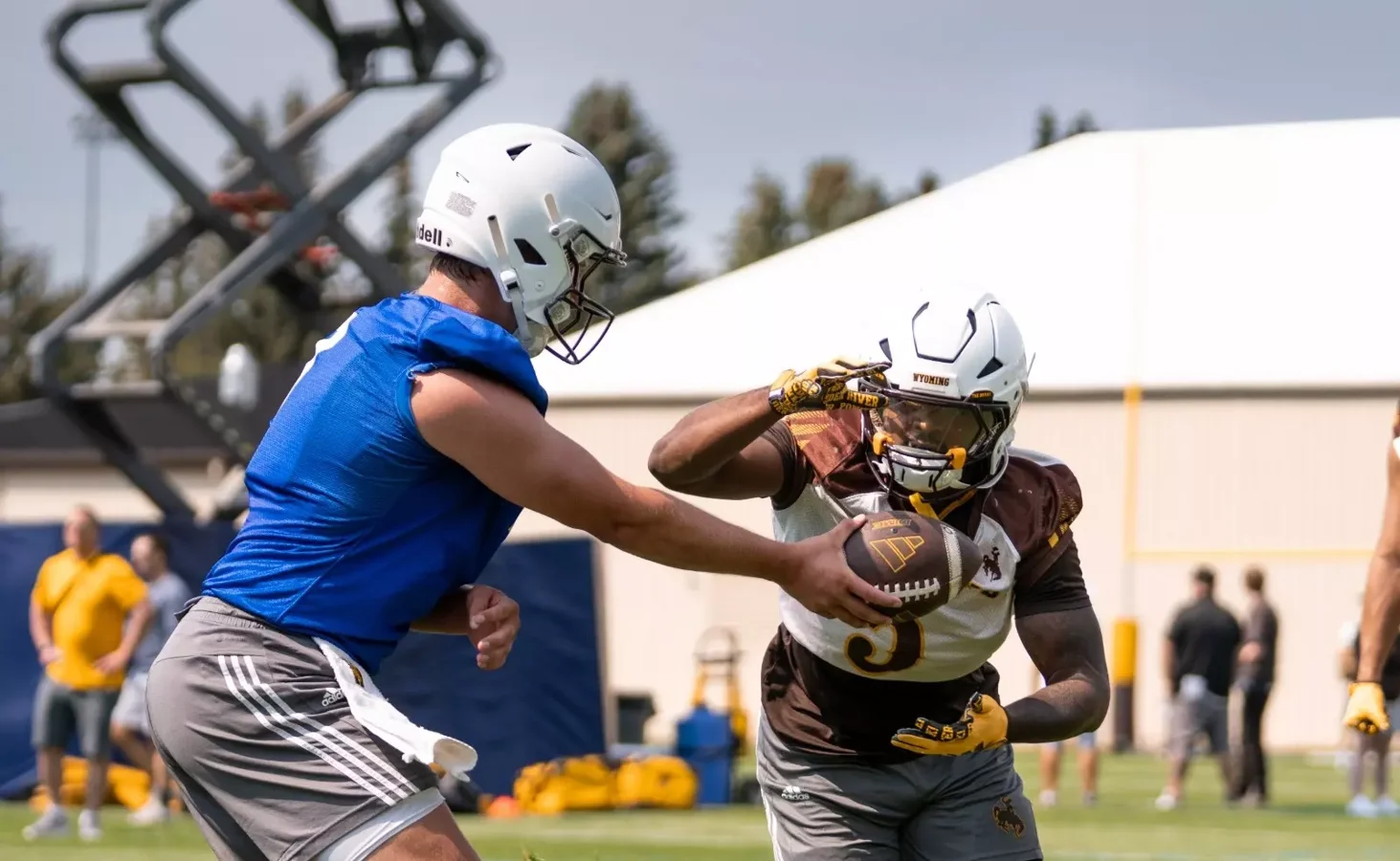

The University of Wyoming, known as the starting point for Buffalo Bills quarterback Josh Allen, is confronting significant hurdles as it adapts to a major transformation in college football’s Name, Image, and Likeness (NIL) rules in 2025. The introduction of NCAA guidelines allowing schools to distribute up to $20.5 million in revenue to student-athletes is reshaping recruitment and development, complicating Wyoming’s efforts to replicate Allen’s rise amid financial disparities.
Wyoming’s Limited Budget Strains Its NIL Strategy
Unlike top-tier programs that exploit loopholes and third-party collectives to extend NIL funding beyond set caps, Wyoming’s athletic department has allocated only $2.8 million toward athlete compensation under the new revenue-sharing limits. This smaller budget forces the school to prioritize spending carefully across its sports programs.
Of the allocated $2.8 million, around $1.5 million goes toward direct NIL payments to athletes, $1 million is designated for Alston awards, which provide education-related benefits, and $300,000 funds new women’s scholarships in sports like volleyball, swimming, tennis, and soccer.
Tom Burman, Wyoming’s athletics director, explained how revenue contributions influence compensation:
Football does anywhere between 65–80% of our total revenue. It’s probably closer to the high end, so the majority of money goes to football.
—Tom Burman, Athletics Director

Roster Limits and Transfer Portal Challenges Add Pressure
The House settlement also caps football rosters at 105 players, though Wyoming plans to fill all 85 scholarship spots allowed. Burman expressed mixed emotions over the evolving landscape:
I’ve gone from, initially, real frustration, to now, I just want some stability and structure … NIL bothers me way less than the lack of structure in the transfer portal.
—Tom Burman, Athletics Director
He further noted the personal impact on student-athlete stability:
I just don’t think that’s in the young people’s best interest to bounce around from school to school to school. … I get why some of them do it, but that’s my biggest frustration when I look to the future.
—Tom Burman, Athletics Director
Comparisons to Wealthier Programs Highlight Competitive Disadvantages
Wyoming’s smaller NIL budget pales in comparison to Power Five programs like Texas Tech, which openly reports spending $30 million on NIL deals outside the official cap. Peter Prigge, the school’s senior associate athletics director for compliance, remarked on the growing threat this poses:
Texas Tech has publicly discussed spending $30 million in NIL, which doesn’t count toward their cap,
he said. Eventually, that’s going to matter.—Peter Prigge, Senior Associate Athletics Director for Compliance
Agents’ New Roles and Changing Recruitment Dynamics
Agents have become increasingly influential, scouting standout players at smaller schools and facilitating their transfer to bigger programs. Prigge described the unregulated nature of this trend:
They don’t follow any standardized process or certification,
he said.
It’s all NIL-based. They just call up programs and shop the talent around.
—Peter Prigge, Senior Associate Athletics Director for Compliance
An example is Tulane quarterback Dariah Mensah, who transitioned from limited initial offers to securing a $4 million NIL agreement with Duke. Prigge warned this practice is growing:
Agents are calling programs like Nevada and San Diego State about kids at Wyoming. That’s our new reality.
—Peter Prigge, Senior Associate Athletics Director for Compliance
Implications for Wyoming’s Future and Player Development
Wyoming’s participation in the House settlement enables it to provide direct financial support to athletes and manage roster sizes pragmatically. However, the significant financial gap compared to powerhouse schools creates a precarious environment for retaining and developing talent. The university must navigate these challenges carefully to maintain competitiveness and possibly produce another NFL-caliber player like Josh Allen as the collegiate sports landscape rapidly evolves.