
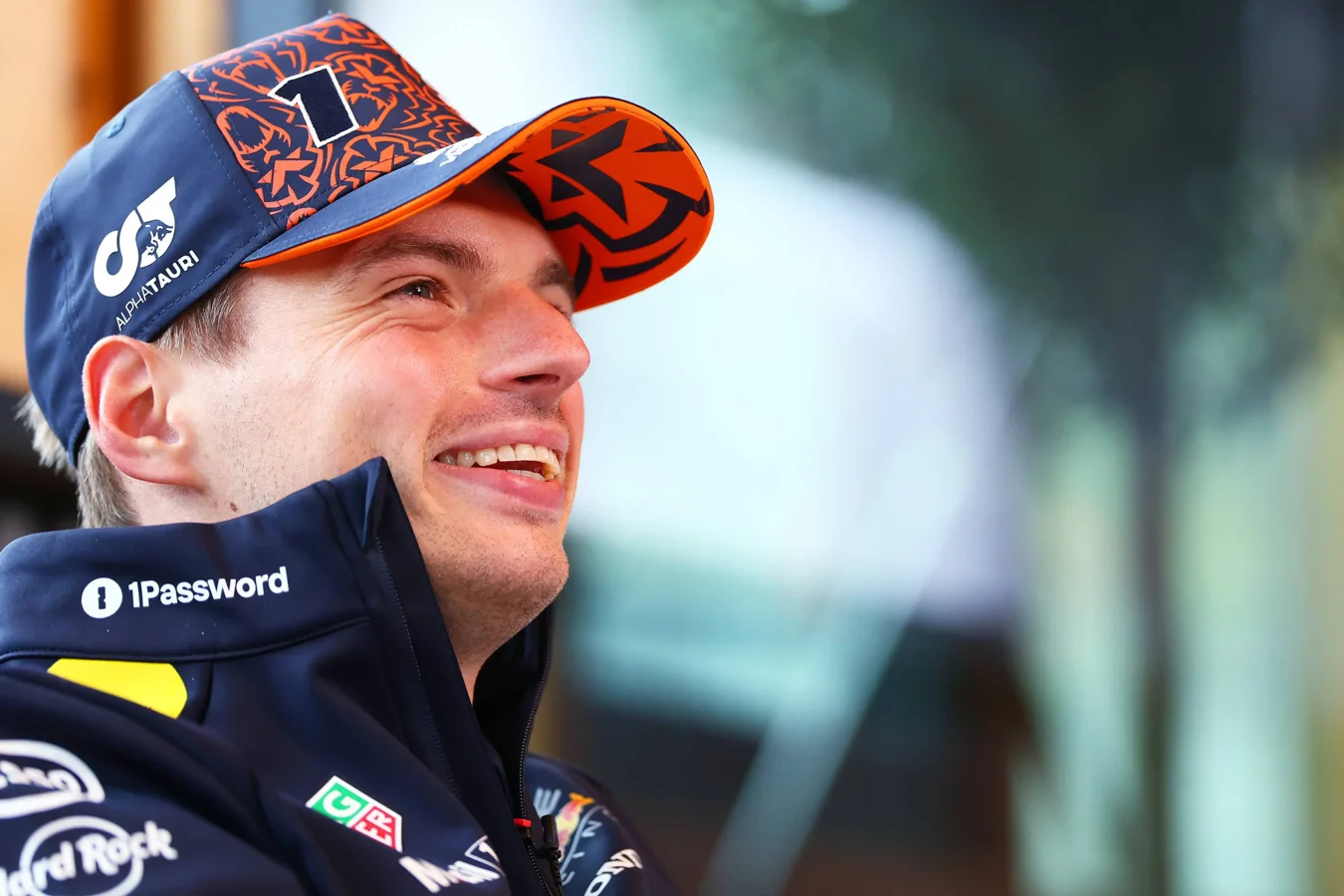

Max Verstappen has acknowledged that he has used legendary Formula 1 driver Ayrton Senna’s famous quote to defend his bold overtakes during discussions with race stewards. In a candid conversation with motoring journalist and avid F1 fan Chris Harris, Verstappen admitted jokingly that quoting Senna was part of his argument in the stewards’ office. This moment came ahead of the 14th round of the 2025 Formula 1 season, underscoring the ongoing debate about aggressive driving and racing ethics.
Origin and impact of Ayrton Senna’s iconic racing mantra
Senna’s enduring saying,
“If you see a gap, and you don’t go for it, you’re no longer a racing driver,”
has become a staple among F1 drivers as a guiding principle for making decisive moves on track. The quote resurfaced prominently after Lando Norris attempted an ambitious pass on his McLaren teammate Oscar Piastri during the recent Canadian Grand Prix. Although the maneuver ended in a crash for Norris and left Piastri in fourth place, fans praised the boldness displayed, remarking that at least Norris “went for the gap.”
Verstappen’s refined approach to racecraft and overtake execution
Known for his fearless driving, Verstappen impressed fans especially at the Emilia-Romagna Grand Prix. His daring overtake on Piastri at the Tamburello chicane was a high-risk, high-reward move that helped him seize the race lead and ultimately win that weekend. Speaking about the roots of his aggressive yet calculated racecraft, Verstappen highlighted the intense training he did during summer holidays with his father, Jos Verstappen, himself a former F1 driver.
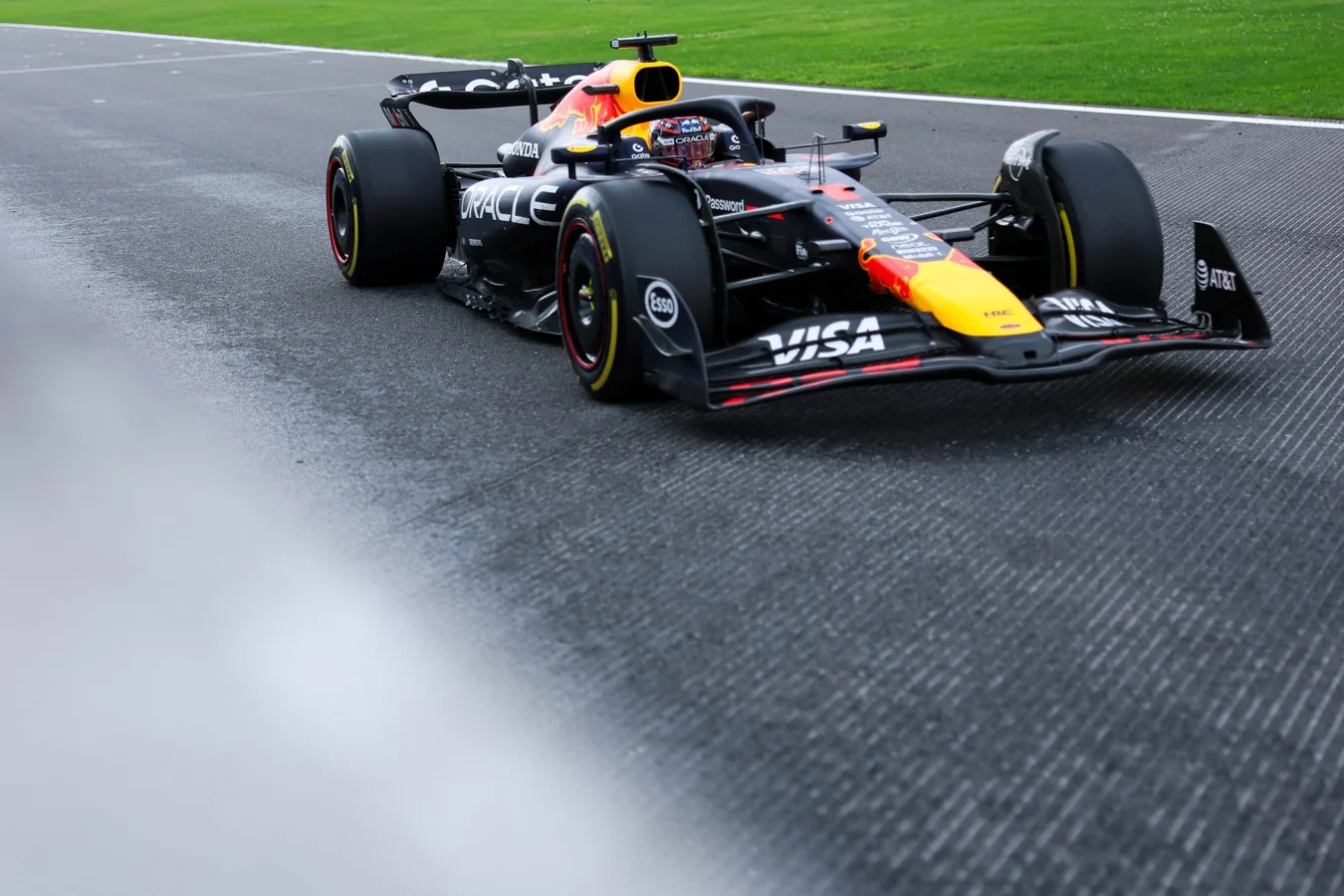
“I think it’s a combination of things. Naturally, how I grew up, you know, the things that I practiced from when I was a kid with my dad and my friends,”
Max explained. He recalled practicing race starts and short two-lap races repeatedly on go-kart tracks from a very young age, developing quick decision-making and overtaking skills under intense pressure.
“I mean, even when I was like eight years old, I had my dad in one, like a higher category, so, faster engine basically on the go-kart. I was what, 12 years old? And we would practice race starts, two-lap races, then reset.”
The routine involved starting from different grid positions and fighting to improve positions in short bursts, instilling resilience and adaptability in Verstappen’s driving style. His father, being heavier yet driving a faster kart, made the exercises even more challenging with realistic racing scenarios, including overtaking and defending positions.
“So, you do your start, and then you try to fight your way to the front, or sometimes of course you get shuffled back. And we did this so many times, even on our summer holidays. This was our summer holiday practice [laughs].”
—Max Verstappen, Red Bull Racing
Connecting Senna’s philosophy to modern Formula 1 challenges
Harris noted that Senna’s quote not only captures the spirit of racing but can sometimes be used as a legitimate defense when officials assess risky on-track moves. Verstappen confirmed that he had indeed referred to the quote in stewards’ discussions, using it to justify his assertive racing tactics.
“Sometimes you can still use that argument into the stewards’ office as well,”
Harris remarked, to which Verstappen responded with a laugh,
“Of course,”
when asked if he had utilized those words.
Significance of Verstappen’s approach and its impact on Formula 1
Verstappen’s willingness to push boundaries while maintaining respect for the sport’s competitive spirit reflects a broader tension within Formula 1 about how far drivers can go when seizing every opportunity during a race. By drawing inspiration from a driver as revered as Ayrton Senna, Verstappen affirms that boldness remains central to racing at the highest level.
With the 2025 season advancing towards its final stages, Verstappen’s ability to execute daring overtakes under pressure, often backed by the wisdom of one of F1’s greatest icons, may continue to influence not only his championship hopes but also how overtaking is judged in the sport. As debates about race incidents and driver conduct persist, Verstappen’s approach could set a tone for how drivers justify aggressive maneuvers in stewards’ meetings.