
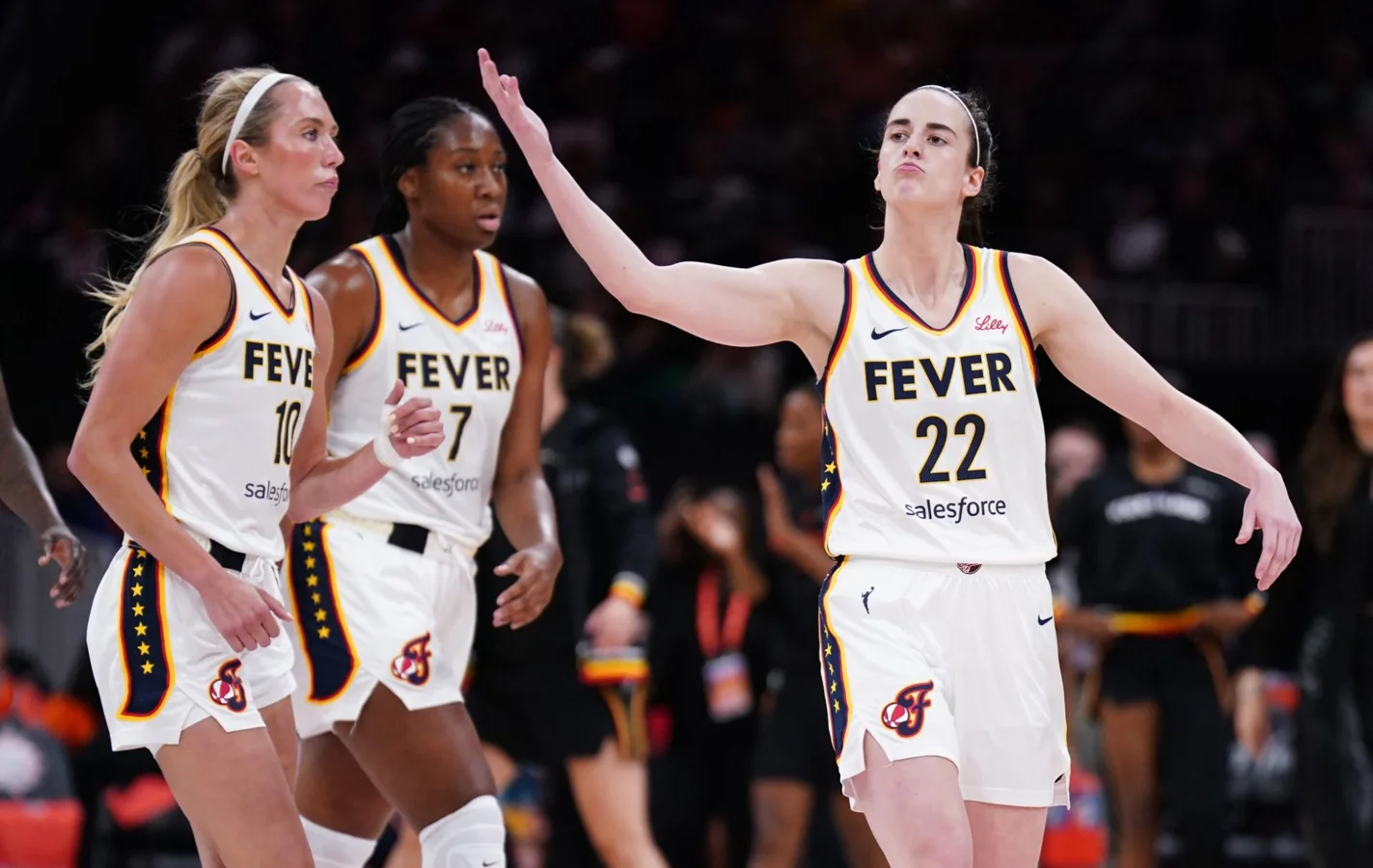

The WNBA has experienced a significant increase in viewership in 2025, even though Indiana Fever guard Caitlin Clark, widely recognized as the league’s top star, missed half of the team’s games this season. This growth highlights expanding interest in the WNBA beyond individual players as the league gains broader national traction.
Clark, in just her second professional year, continues to be the league’s main attraction and top-rated player. Despite her missing 13 of 27 Fever games, the WNBA’s national broadcast ratings have risen across multiple networks, reflecting sustained enthusiasm from fans and improved visibility for other teams.
Record Viewership Numbers Show Broad Fan Engagement
According to Nielsen data, the WNBA is averaging 794,000 viewers through 56 nationally televised games in 2025, marking a 21% increase compared to the full 2024 season. Games featuring the Indiana Fever still draw the largest audiences, averaging 1.26 million viewers, underscoring Clark’s ongoing appeal.
However, the most striking growth has come from games that do not involve the Fever, which have increased viewership by 37%, averaging 549,000 viewers over 37 games. This indicates a widening fan base engaging with the league as a whole.
Strong Ratings Across Multiple Networks Highlight League’s Depth
Clark’s absence has not diminished overall fan interest. Her season opener against the Chicago Sky attracted 2.7 million viewers, but even games without her participation have performed well. CBS has recorded two broadcasts surpassing 1.9 million viewers this year, with only one of those featuring Clark.
The remaining CBS games averaged 906,000 viewers, a 33% increase over last year’s comparable period and exceeding the audience numbers for the 2023 WNBA Finals. This surge points to growing enthusiasm on major networks beyond one player’s presence.
“The WNBA is averaging 794,000 viewers through 56 games this year across all national networks, a source tells FOS.That is 21% higher than the WNBA’s full-season viewership average in 2024.” —Front Office Sports
ESPN, including its ABC and ESPN2 outlets, has seen a 3% viewership increase, while Ion, with a different distribution approach, rose 4%. NBA TV, often considered a less prominent channel for WNBA content, recorded a remarkable 58% jump in its audience this season.
This growth across diverse networks demonstrates the league’s appeal is driven by a variety of teams, players, and matchups, rather than relying solely on Caitlin Clark’s drawing power.
Labor Talks and Expansion Plans Provide Added Context for Growth
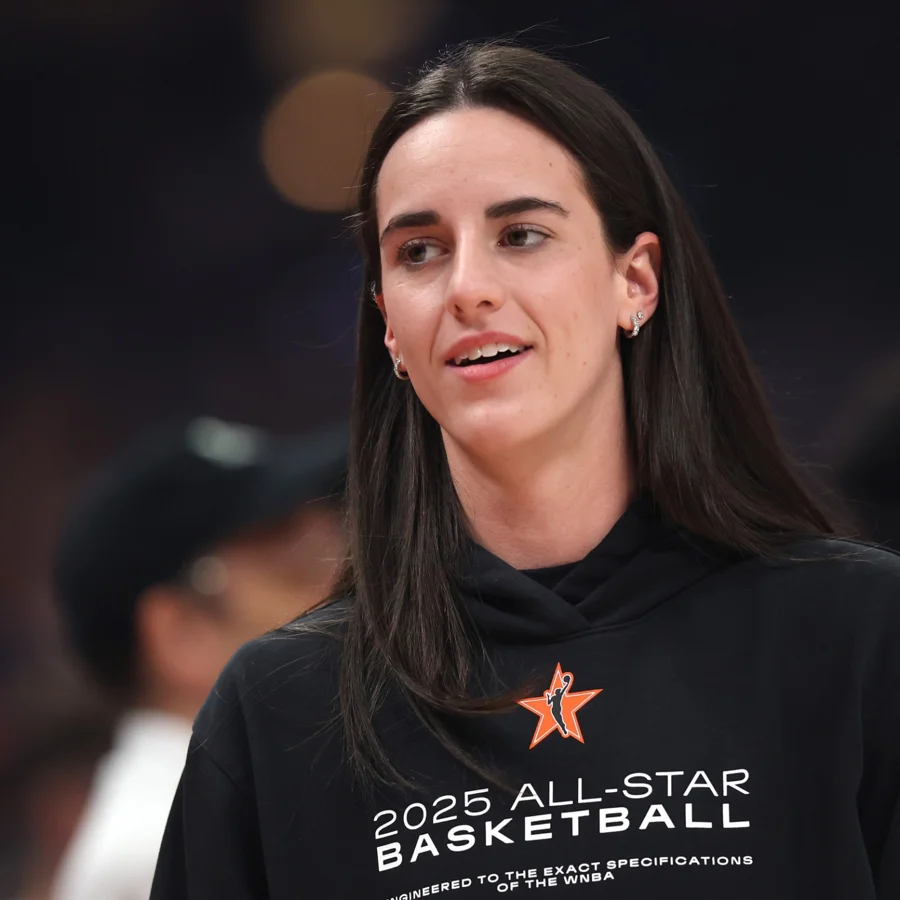
The surge in ratings takes place amid significant labor discussions and rapid expansion within the league. During the 2025 All-Star Weekend, WNBA players, including Clark, protested for better compensation by wearing
“Pay Us What You Owe Us”
shirts as negotiations for a new Collective Bargaining Agreement continue ahead of the current deal’s October expiration.
Players seek improvements such as higher salaries, revised revenue sharing, and guaranteed charter travel, expressing concerns over a potential lockout. This labor dialogue occurs alongside rapid league growth, with expectations to increase to 13 teams by the end of 2025.
New franchises in Toronto and Portland are slated for 2026, followed by Detroit, Cleveland, and Philadelphia by 2030. This expansion aligns with a $2.2 billion media rights deal set to begin in 2026, reinforcing the league’s business trajectory.
The WNBA’s strong TV ratings, achieved even without Clark, strengthen the players’ position in these negotiations by showing that the league’s popularity does not hinge on any single individual.
Viewership Upswing Reflects Broader Cultural and Market Trends
Combined, the rising audience numbers, ongoing labor negotiations, and expansion strategies indicate a maturing league with a more established national presence and brand. The growth in viewership signals a cultural shift where fans across different markets are engaging with various storylines and team dynamics, not just star names.
As collective bargaining talks progress and new teams enter the league, this year’s viewership gains set promising expectations for the 2026 season and beyond, particularly in how the WNBA will be presented across multiple broadcast platforms.