
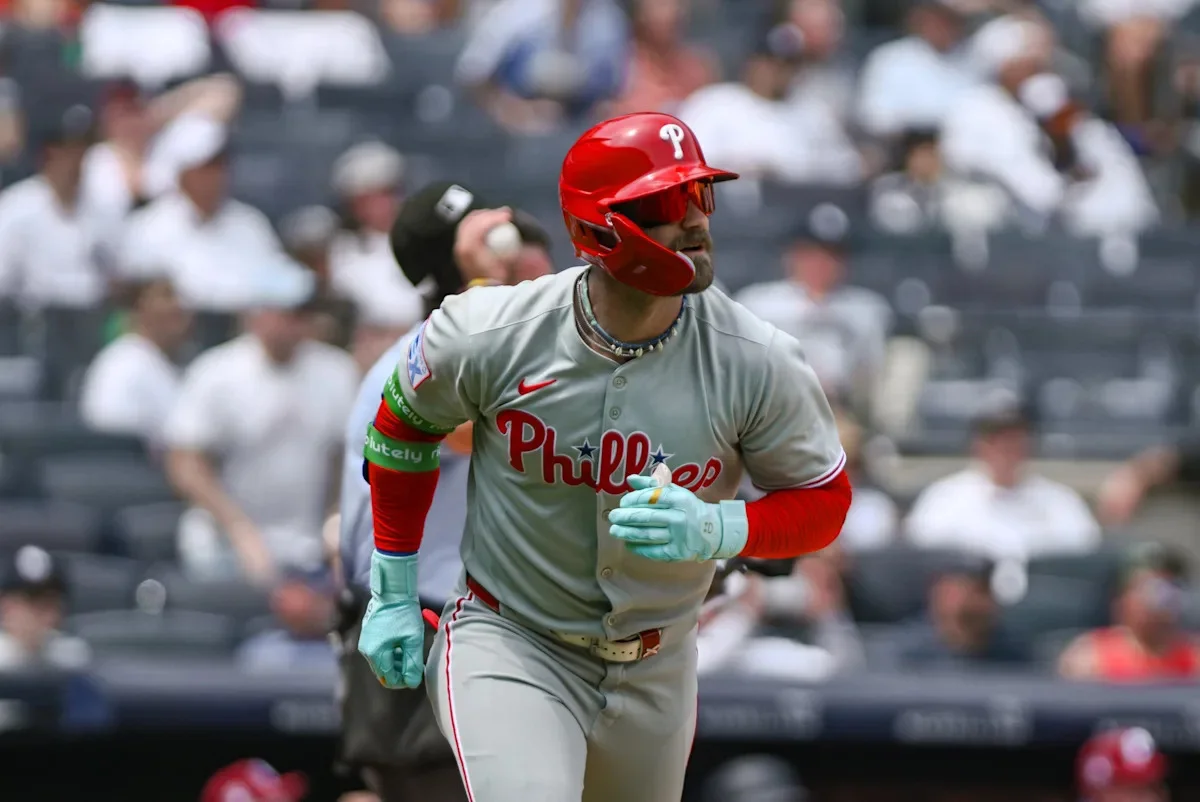

In a tense meeting that unfolded recently, MLB Commissioner Rob Manfred’s push for a new salary cap collided head-on with star player Bryce Harper’s fierce opposition, igniting a growing crisis within baseball’s leadership. This confrontation has brought to the surface deep divisions as they negotiate the future of the 2027 season and the sport’s economic framework.
Manfred seeks to implement a salary cap, arguing it will curb payroll disparities and help smaller-market teams compete more effectively, a move that has sparked outrage among many players, including Harper. The ongoing feud highlights mounting mistrust and uncertainty within the league’s top ranks.
Commissioner Manfred’s Push for Economic Control Faces Player Resistance
Rob Manfred has repeatedly emphasized that enforcing a salary cap is essential to “balance” baseball’s financial landscape, citing the widening payroll gaps between teams as justification. While officials claim the cap would promote fairness and competitiveness, players argue it threatens their guaranteed contracts and shifts power to owners instead of fostering equitable competition.
During a public event in Chicago, Manfred addressed concerns about a potential lockout disrupting the 2027 season. Asked about contingency plans, he stated:
My contingency plan is to make an agreement with the players and play the 2027 season.
—Jesse Rogers, ESPN Reporter
Despite this assurance, internal sources describe Manfred’s efforts as a “power grab” that risks alienating many players who view the cap proposal as undermining their financial security and autonomy.
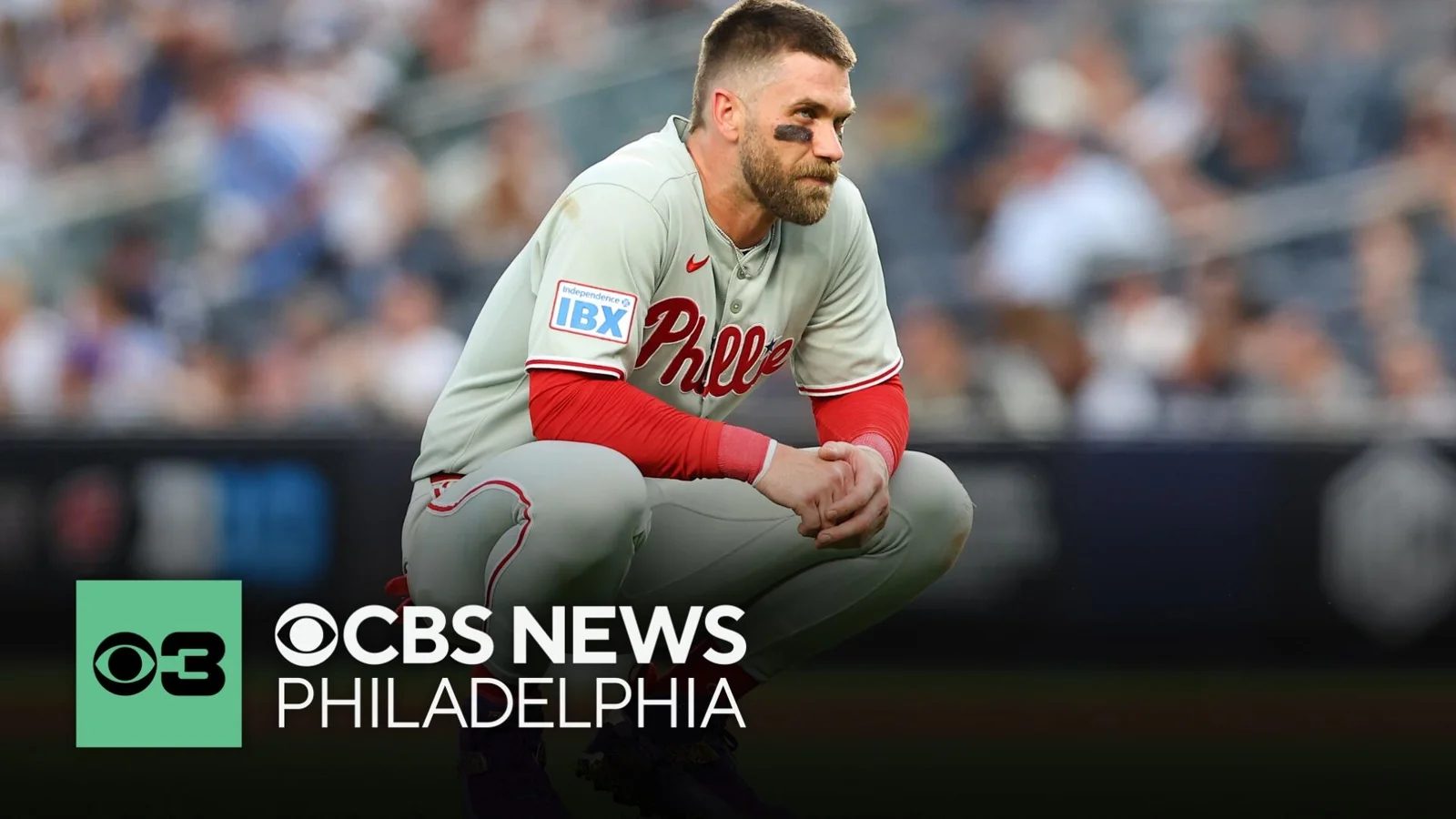
Bryce Harper’s Bold Stand in Phillies’ Clubhouse Reveals Growing Divide
Last week, tensions reached a breaking point when Bryce Harper confronted Rob Manfred directly in the Philadelphia Phillies’ clubhouse, expressing blunt defiance over the proposed salary cap. Harper reportedly warned the league officials saying they are
not scared to lose 162 games
if forced into restrictions that limit player earnings.
This outburst signals a profound mistrust of the commissioner’s intentions and a willingness by players to endure a prolonged labor conflict rather than accept terms they see as unfavorable. Harper’s statement reverberates as a warning that the league could face another damaging lockout before the 2027 season begins.
A League on the Brink as Labor War Looms Over Baseball’s Future
Although Manfred attempts to portray the confrontation as part of a necessary dialogue, the underlying tension in negotiations is unmistakable. Front offices and players alike sense that the conflict goes beyond economic policy—it has become a pitched battle for control over the sport’s direction.
The handshake moments between Manfred and Harper may suggest civility, but the unresolved issues and raw emotions revealed in their exchanges indicate that trust has eroded severely. With the potential for a lockout threatening the 2027 All-Star game and full season, the league is navigating precariously close to a standstill.
The outcome of this dispute will likely determine not just the 2027 season’s viability but also the long-term balance of power between MLB’s leadership and its players, shaping the future of professional baseball for years to come.