
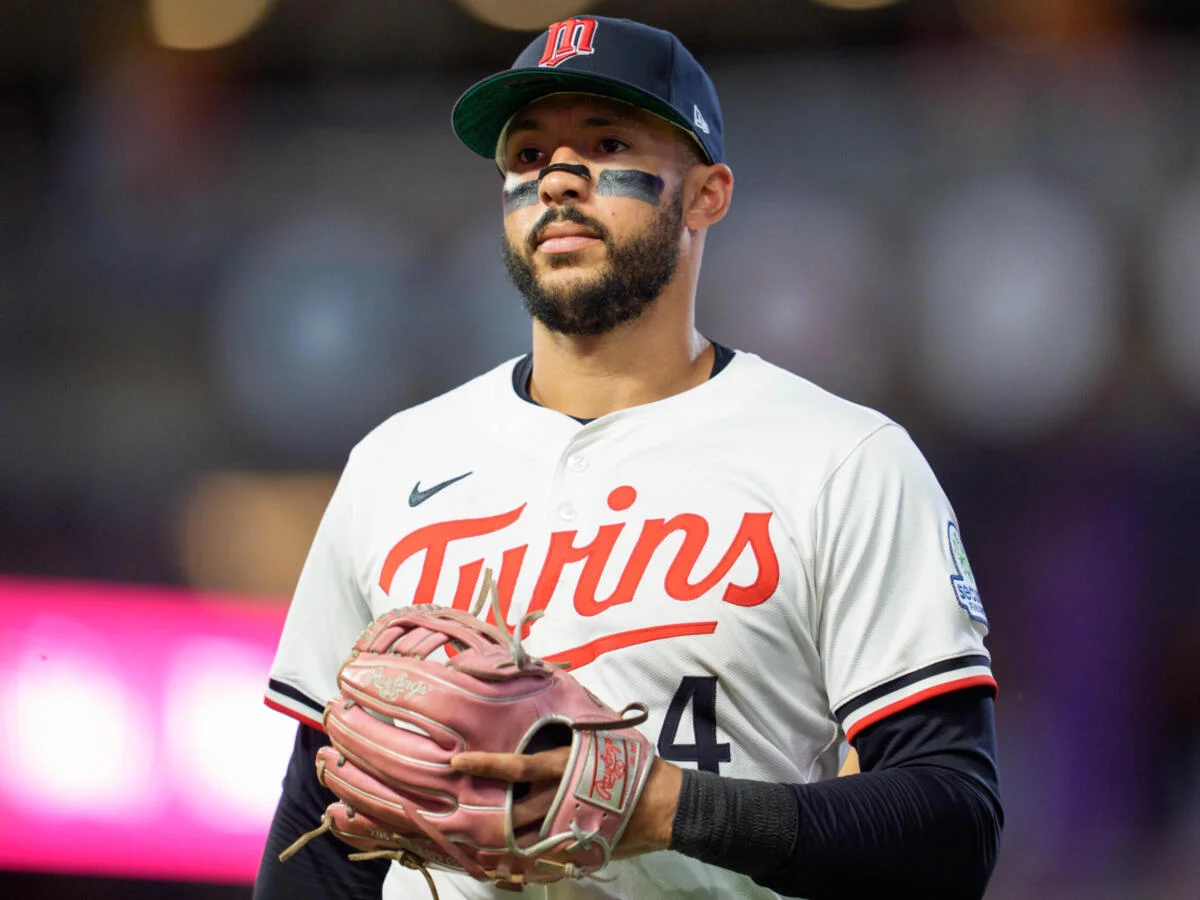

Carlos Correa’s return to the Houston Astros marks a significant moment in Major League Baseball as the star shortstop shifts to third base, a move the Minnesota Twins were unable to provide. The trade, finalized in early August 2025, saw the Astros acquire Correa from the Twins, fulfilling both the player’s positional desires and the team’s strategic needs while reshaping Minnesota’s roster amid financial pressures.
Why Correa Chose Houston Over Minnesota
The excitement surrounding Carlos Correa’s Astros homecoming has fueled a strong energy reminiscent of the team’s notable past acquisitions like Justin Verlander in 2017 and Yordan Alvarez in 2016. This familiarity and history played a crucial role in Correa’s decision. However, the underlying impetus was the alignment of player and team needs: Correa sought a transition to third base, a position the Twins could not accommodate primarily due to emerging prospect Brooks Lee securing the shortstop role.
Correa revealed,
“I’ve been asking the Twins to play third base for the last two years,”
highlighting his eagerness to make the shift. He added,
“But it was not aligning because of how we were constructed. When (Twins general manager Derek Falvey) told me the Astros wanted me for third base, I was like, that would be perfect.”
—Carlos Correa, via Chandler Rome and Ken Rosenthal, The Athletic
Houston capitalized on this opportunity by negotiating a deal that sent minor league left-handed pitcher Matt Mikulski and cash considerations to Minnesota, understanding the high cost to reunite with Correa. Astros general manager Dana Brown expressed confidence, stating they
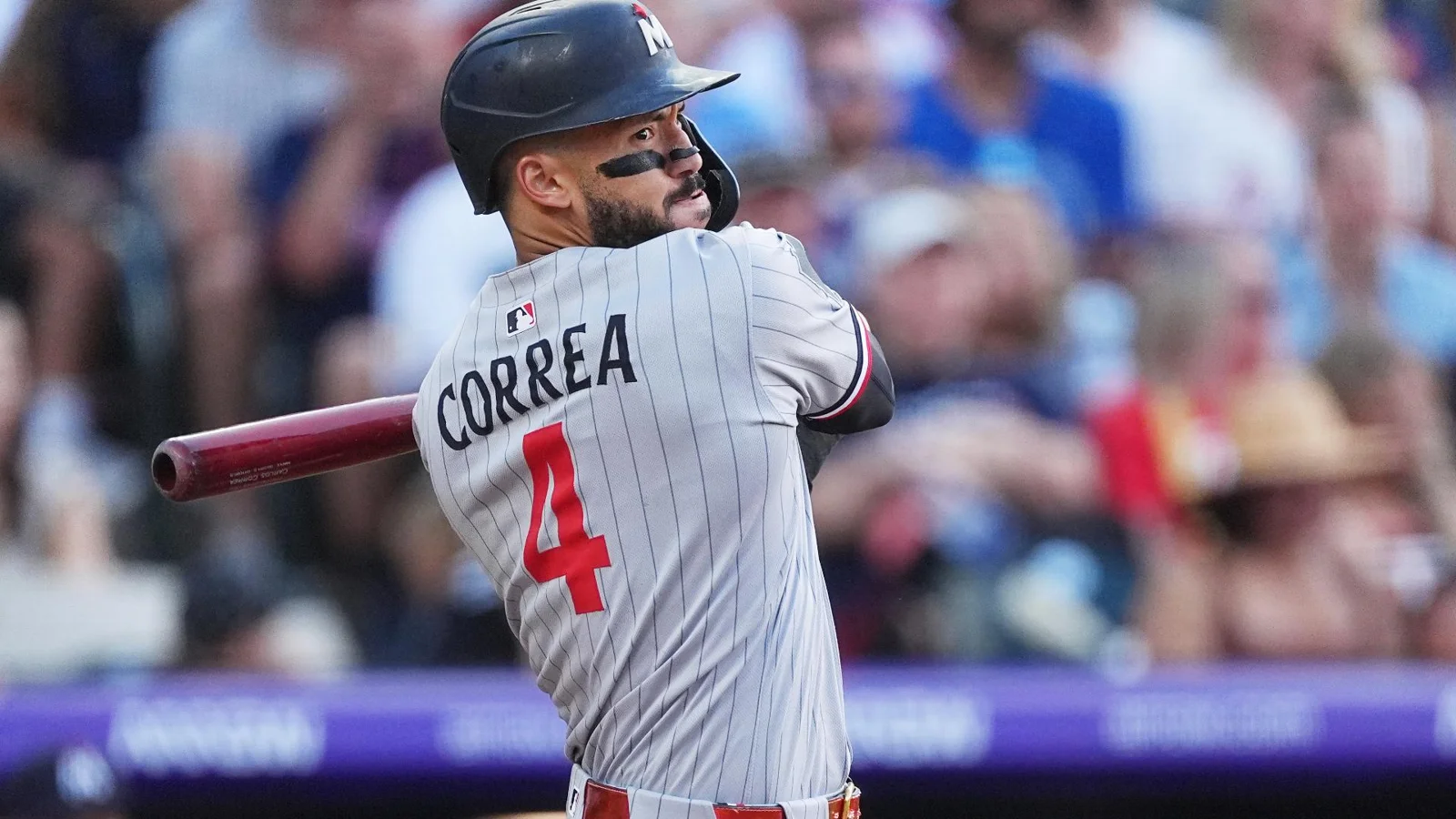
“felt good about what this whole thing was going to play out to be.”
—Dana Brown, Astros GM
For Correa, returning to Houston meant more than just a strategic repositioning; it was a full-circle moment, reunited with the club where he rose to stardom, won a World Series, and became a vital part of their playoff identity.
Financial and Roster Pressures Prompt Twins to Trade
The Minnesota Twins’ decision to part ways with Correa occurred amid significant financial strain and an organizational rebuild. The franchise, owned by the Pohlad family since 1984 and currently in the process of being put up for sale, prioritized clearing payroll over immediate playoff contention. This approach sparked concern among fans, especially as the Twins, sitting near a wild-card position, dismantled key components of their roster within hours.
MLB insider Bob Nightengale commented sharply on the situation:
“The Minnesota Twins, who are about $440 million in debt, erased a huge chunk of it by trading away virtually their roster in a matter of 12 hours. No wonder Carlos Correa wanted out.”
—Bob Nightengale, MLB Insider
Alongside Correa, the Twins traded prominent players such as Jhoan Duran and Harrison Bader to the Phillies, Willi Castro to the Cubs, and Griffin Jax to the Rays. In less than two days, Minnesota transformed from a potential contender to a team stripped of seasoned talent, reflecting a strategic pivot focused on financial flexibility and youth development.
How the Astros Leveraged the Midseason Shakeup
While Minnesota navigated significant roster upheaval, the Houston Astros seized the moment to reinforce their lineup. Correa’s requested move to third base coincided perfectly with a vacancy on the Astros’ infield, allowing the team to enhance its depth and maintain a competitive edge for the postseason. Correa’s familiarity with the organization and fan base adds an emotional layer to the transaction, promoting a sense of continuity during a pivotal season.
The return of Correa is expected to boost Houston’s playoff ambitions and invigorate fans watching Minute Maid Park. His presence signals both a strategic acquisition and a heartfelt reunion with a player who helped define the Astros’ recent golden era, including multiple playoff berths and a World Series championship.
The Twins’ Future Beyond the Trade Deadline
With the franchise focusing on shedding salary and preparing for long-term rebuilding, questions linger about whether Minnesota’s decision to let Correa go was a misstep or a necessary sacrifice. The shift underscores the tensions between financial realities and on-field competitiveness that many MLB teams face. The ongoing sale of the team adds further layers of complexity to the Twins’ trajectory, as new ownership may alter future strategies.
This trade also highlights the broader market dynamics of baseball, where player movement often reflects a balance between individual ambitions and organizational constraints. The Twins’ willingness to overhaul their roster contrasts with Houston’s aggressive approach to regaining its championship form.
Looking Ahead: What This Means for Carlos Correa and Both Teams
Carlos Correa’s Astros homecoming is more than a simple player transfer; it is a calculated alignment of interests that benefits both parties. For Correa, it represents an opportunity to fulfill a long-desired positional switch within a familiar setting where he can thrive. For the Astros, it fills a critical gap and reinforces their postseason aspirations.
Conversely, the Twins embark on a challenging rebuilding phase, seeking to balance financial health with cultivating young talent and prospects. How these decisions translate into future success remains uncertain, but the immediate impact on both teams’ identities and competitive windows is clear.
As the season progresses, all eyes will be on how Correa adapts to third base and whether the Astros can recapture their dominant form. Meanwhile, Minnesota’s moves set the stage for a new era, one shaped by fiscal prudence and developmental focus rather than short-term contention.