
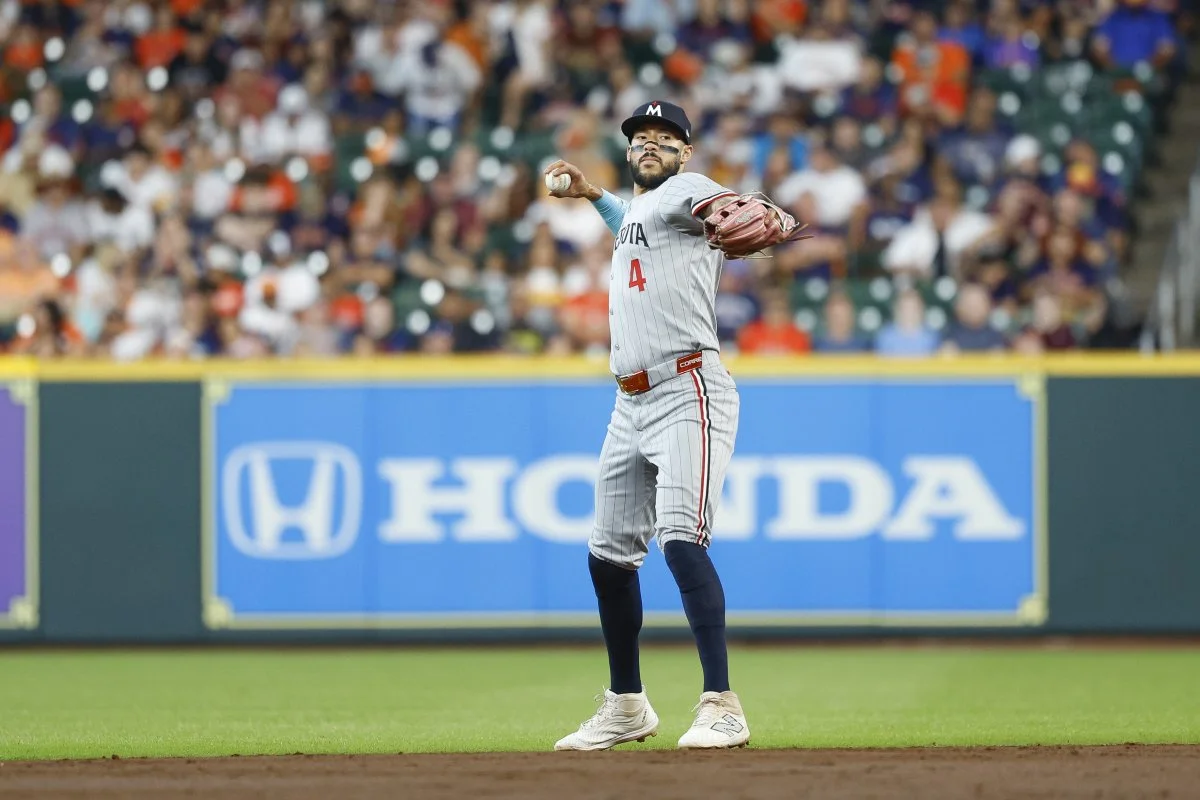

The Minnesota Twins have finalized a trade sending star infielder Carlos Correa back to the Houston Astros, marking a significant shift in both teams’ rosters. This deal became official recently, as the Astros plan to have Correa take over third base, while the Twins will receive pitching prospect Matt Mikulski in return. The Twins are also agreeing to cover $33 million of Correa’s remaining contract, alleviating some financial burden from Houston.
The Astros’ Desire to Reacquire Correa
The Astros’ interest in bringing Correa back surfaced shortly before the trade was completed. Reports indicated that owner Jim Crane was particularly keen on reacquiring Correa, a player he favors greatly. Initially, financial concerns appeared to hamper progress, given the $103.4 million Correa is owed through the 2028 season. However, negotiations ultimately bridged the gap, with Correa waiving his no-trade clause to facilitate the move.
“I let them know there was only one team I would allow that to happen.”
—Carlos Correa, Infielder
Background on Correa’s Departure and Astros’ Infield Changes
Correa originally left the Astros after the 2021 season when he signed with the Twins. Since then, Houston’s infield has undergone significant changes. Notably, third baseman Alex Bregman declined a contract extension and signed with the Boston Red Sox. The Astros had already acquired Isaac Paredes from the Cubs in anticipation of such moves, but Paredes suffered a hamstring injury in mid-July that could end his season prematurely. Jeremy Peña, who has stepped up in Correa’s absence, recently made his first All-Star team despite missing time due to a fractured rib.
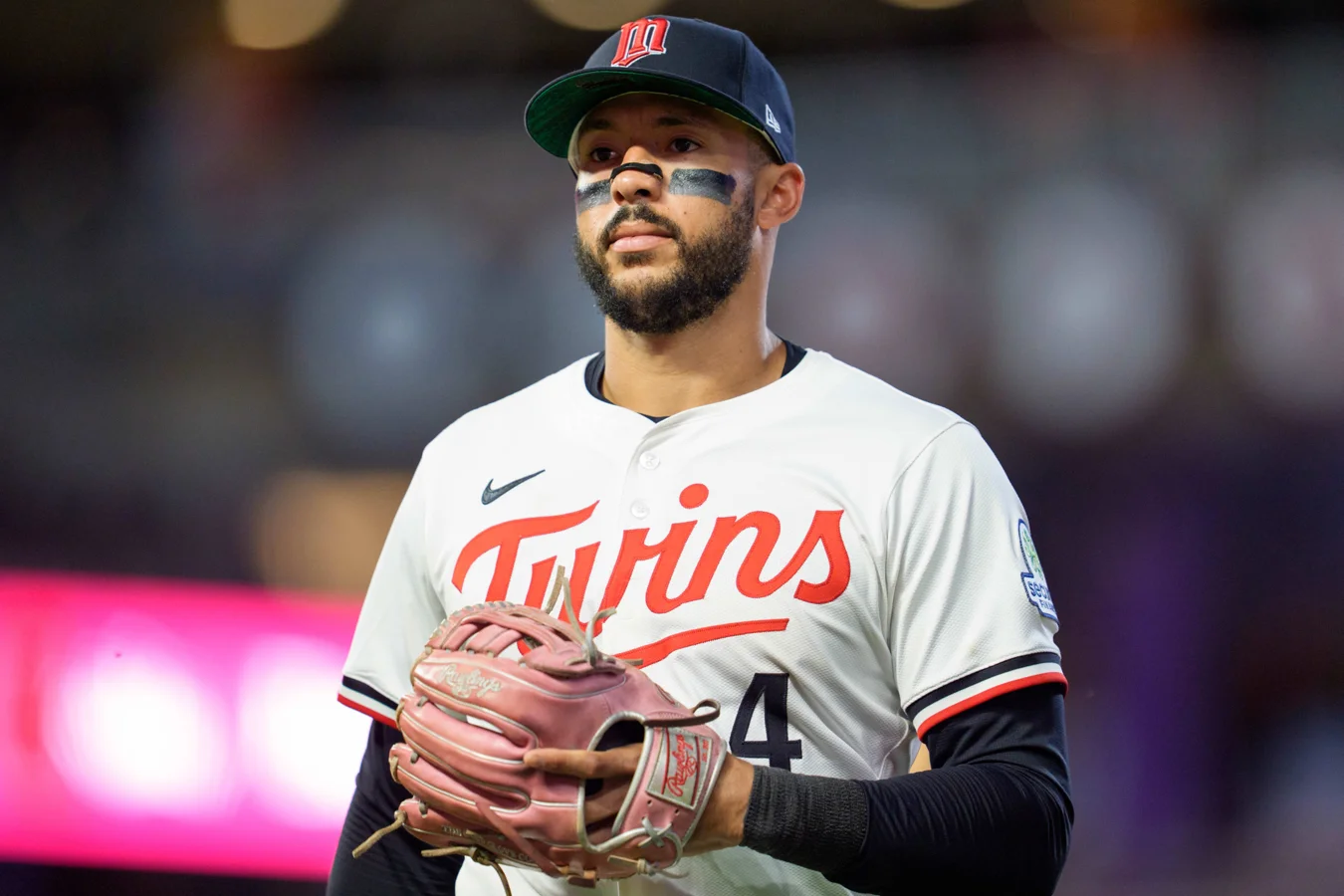
Alongside Correa’s arrival, the Astros also added infielder Ramón Urías from Baltimore shortly before the trade. With both Correa and Urías on the roster, Urías is expected to take on a utility role, potentially including second base duties, while strengthening Houston’s infield depth.
Correa’s Recent Performance and Injuries
The 31-year-old Correa has had an uneven season with the Twins, posting a 97 wRC+ over 364 plate appearances, a decline from his standout 136 wRC+ in 2022 and a career-best 155 in 2021. Injuries contributed to his limited playing time in 2024, as he appeared in only 86 games. Correa has dealt with ailments including an intercostal strain, plantar fasciitis, and a concussion earlier this year, though he has largely avoided extended stints on the injured list.
Injuries have been a recurring theme throughout Correa’s career despite his talents. Since being drafted first overall by the Astros in 2012, he missed significant time in multiple seasons, playing fewer than 111 games in 2017, 2018, 2019, and now 2024. Nevertheless, Correa’s value remains evident as he has achieved 3.7 wins above replacement (WAR) in seven different seasons.
Correa’s Accomplishments and Challenges Over the Years
Correa was named American League Rookie of the Year in 2015 and has earned three All-Star selections, with strong MVP consideration in several seasons. However, his time with the Astros includes the shadow of the sign-stealing scandal that emerged in 2019. While the controversy tarnished some achievements, the key players involved, including Correa, have largely moved past it, continuing successful career trajectories despite occasional fan backlash.
Correa’s path through free agency has been complex. After the sign-stealing investigation, he faced some reputational challenges but secured substantial contracts. The Astros initially offered a five-year, $160 million deal but ultimately did not re-sign him at that time. Switching agencies during the 2021-22 lockout, Correa later agreed to a three-year, $105.3 million contract with the Twins in 2022, with opt-out options after each season.
Following an excellent debut season in Minnesota, Correa opted out but experienced a difficult free agency period. After reportedly agreeing to a 13-year, $350 million deal with the Giants and a subsequent 12-year, $315 million contract with the New York Mets, both agreements collapsed due to concerns found in his physical exams. Correa then returned to the Twins on a six-year, $200 million deal, concluding one of the most dramatic free agency periods in recent MLB history.
Financial and Organizational Impacts on the Twins
The Twins’ financial landscape shifted significantly since Correa’s original signing 30 months ago. Currently in a phase of ownership transition and limited spending power, the team’s payroll sits around $141 million, with Correa representing about 25 percent of that total. Minnesota’s president of baseball operations, Derek Falvey, has pursued a fire sale approach, trading away 10 players in July to align with the club’s new direction.
“Though the Twins are enamored with Correa, believing he’s a difference-maker on the field, the team’s financial picture has changed drastically in the 30 months since he signed his six-year deal. The club has been up for sale since October, which is limiting how much the team can spend on players. Correa’s salary represents 25 percent of the Twins’ current $141 million payroll.”
—Dan Hayes, The Athletic
Correa’s New Role and Astros’ Payroll Considerations
Returning to Houston, Correa will switch to third base for the first time in his major league career, stepping away from his usual shortstop position. He expressed enthusiasm about this move, viewing it as a positive challenge at this stage of his career.
“We were waiting for a shortstop to come in [with Twins] and now that I get to play third base, it will be great for me at this stage of my career.”
—Carlos Correa, Infielder
The Astros will absorb a significant portion of Correa’s contract, with an estimated competitive balance tax (CBT) payroll hit of approximately $21 million after the Twins’ $33 million contribution. This additional financial commitment pushes Houston over the $241 million CBT threshold, making them a repeat tax-paying team. This deal mirrors Houston’s previous approach of reacquiring star veterans, similar to how they brought back Justin Verlander two years ago after he left via free agency.
Astros’ Deadline Moves Signal Championship Intentions
The Astros have aggressively reinforced their roster ahead of the playoff push. In addition to acquiring Correa and Urías, Houston sought a left-handed bat, completing a trade for Jesus Sánchez from the Miami Marlins after earlier failing to secure pitcher Dylan Cease from the San Diego Padres. These acquisitions demonstrate a clear “go-for-it” approach by general manager Dana Brown, aiming to fortify a first-place team motivated to contend for another championship.
Twins Enter a Rebuilding Phase Amid Struggles
While the Astros strengthen their lineup, the Twins are on a drastically different path. Sitting at 51-57, Minnesota has been actively trading away valuable pieces and prospects, signaling a rebuilding phase. These moves align with the club preparing for new ownership and reshaping its roster to better fit financial constraints and future competitiveness.