
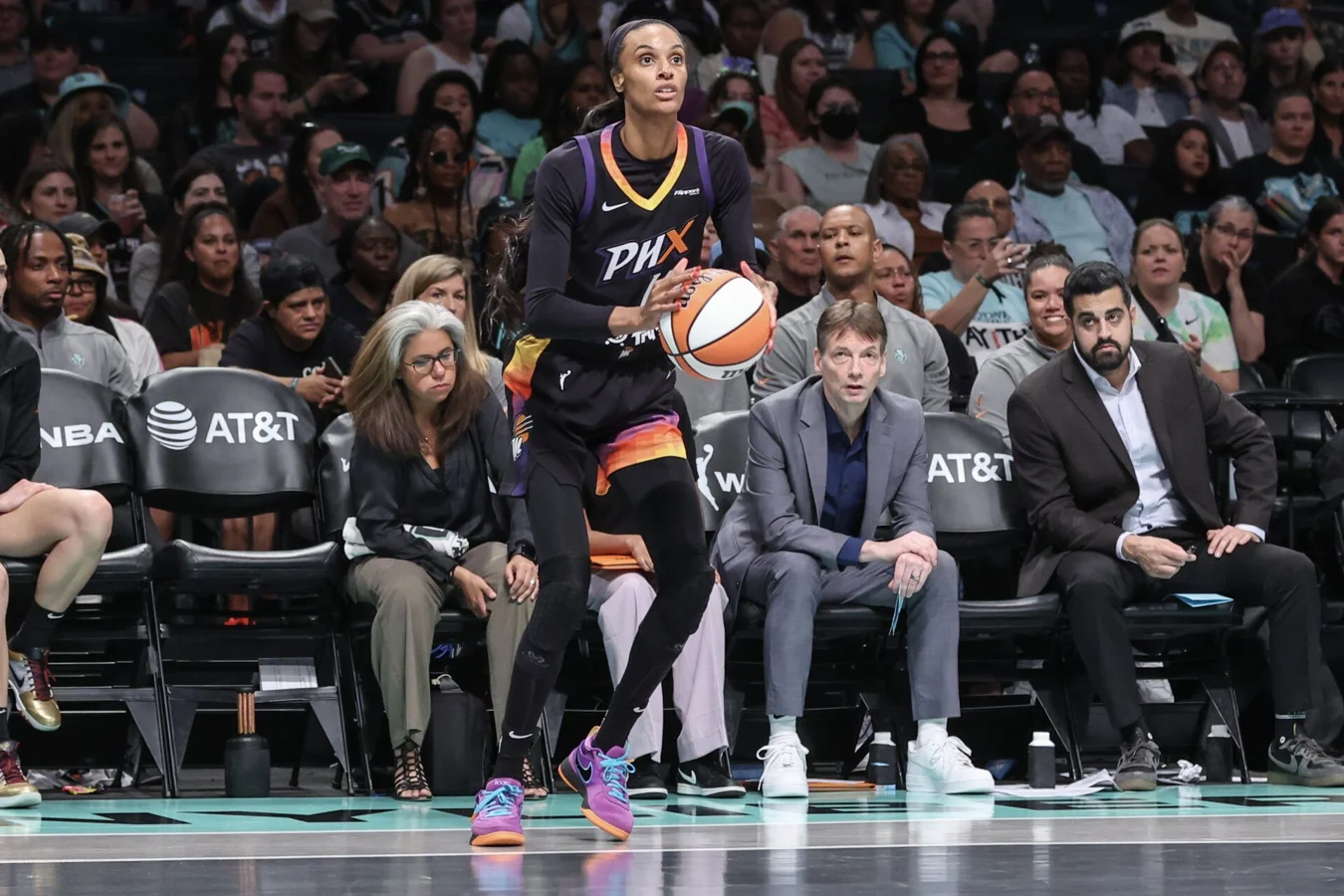

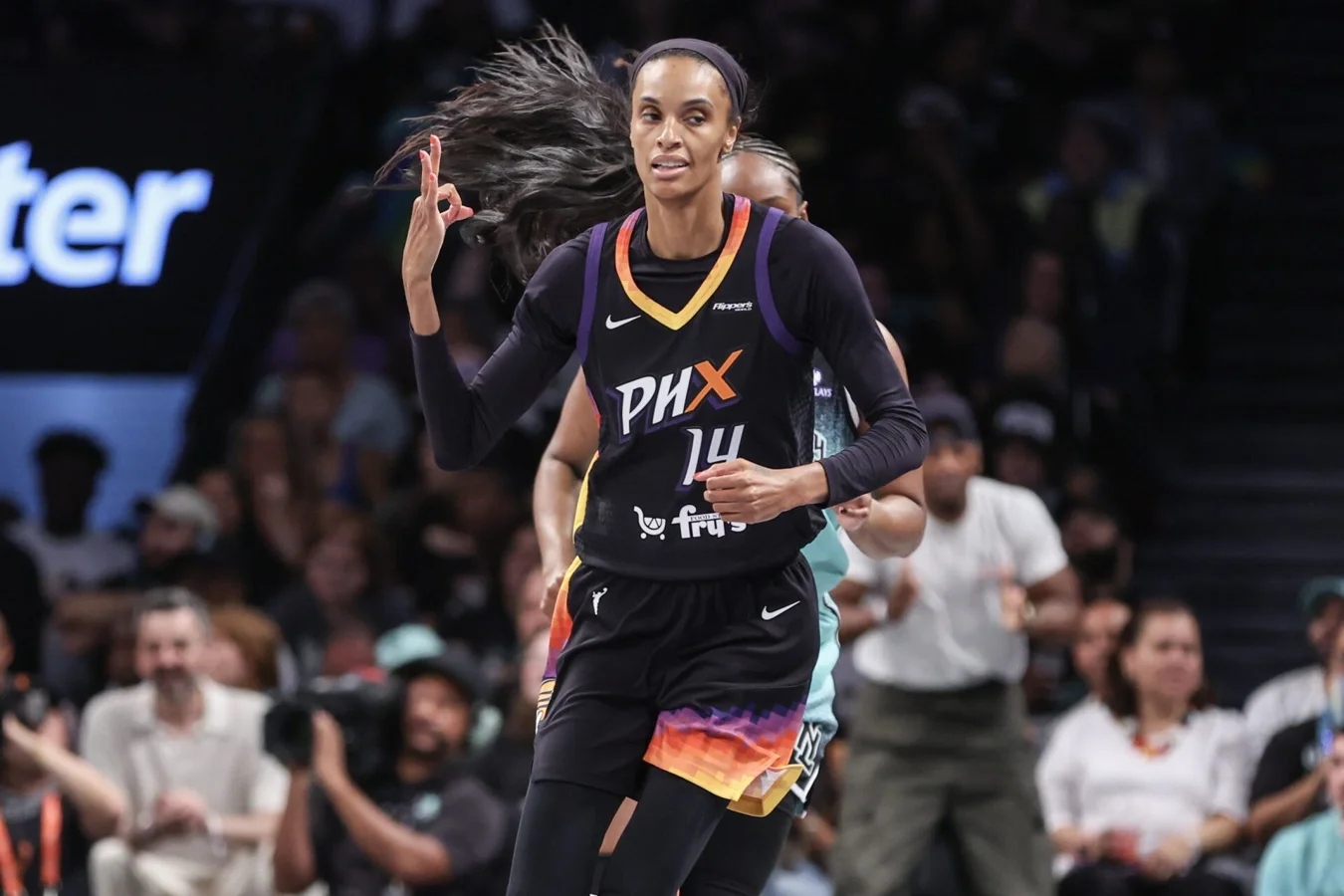
When the Indiana Fever waived forward DeWanna Bonner in late June, it marked a pivotal moment for the WNBA team, opening a valuable $200,000 roster spot and creating unexpected opportunities. Bonner’s departure, following her move to return to the Phoenix Mercury, has since fueled a midseason transformation that renewed Indiana’s championship aspirations.
Turning Point After DeWanna Bonner’s Departure
DeWanna Bonner, a six-time All-Star with 15 years of WNBA experience, joined the Fever in the offseason with the goal of adding veteran leadership to a young, promising core led by Caitlin Clark and Aliyah Boston. However, Bonner’s time in Indiana was short-lived; she appeared in only nine games and was unable to produce the dominant performances expected. Her decision to request a trade and return to her original team, the Phoenix Mercury, came as a surprise and was initially seen as a setback.
Despite initial disappointment, Bonner’s exit created roster flexibility that Indiana capitalized on by making strategic midseason adjustments. Freeing up the roster spot allowed the Fever to bring back guard Aari McDonald and sign forward Chloe Bibby, moves aimed at addressing critical roster needs.
Midseason Roster Adjustments Fueling a New Chapter
Indiana’s offseason additions, including Bonner, Natasha Howard, and Sophie Cunningham, initially promised to strengthen a Fever squad coming off their first postseason appearance since 2016. Yet, the team still faced persistent challenges. Their offense leaned too heavily on Clark, who uniquely combined scoring and playmaking duties. Leading Indiana with 115 assists despite missing over half the season due to injury, Clark bore much of the offensive burden as opponents increasingly focused defensive pressure on her.
Moreover, the Fever lacked a consistent three-point threat in the frontcourt, limiting floor spacing and forcing head coach Stephanie White into small-ball lineups that struggled against more physical opponents. These structural concerns hindered Indiana’s ability to maximize offensive efficiency.
The reintegration of Aari McDonald and the signing of Chloe Bibby helped alleviate some of these issues. McDonald returned on the heels of a strong showing on a hardship contract and quickly assumed a significant role as a primary ball-handler, relieving some of Clark’s playmaking responsibilities. Bibby, an Australian rookie forward, brought a valuable three-point shooting presence that Indiana had lacked all season.
Aari McDonald not on a team opening day, career high tonight (tied right now). Chloe Bibby not on a team 6 days ago, yet making things happen. There’s been a million good arguements for expansion — these 2 showing the talent that will be in the league every night with more teams.—Tony East (@TonyREast)
Aari McDonald’s Rising Impact in the Fever Backcourt
McDonald first joined the Fever in early June amid backcourt injuries and left a strong impression. Following Bonner’s waiver, Indiana brought McDonald back full-time, hoping she could share Clark’s extensive on-ball duties. Unfortunately, Clark’s continued injury issues limited their shared court time to just four games. Despite this, McDonald’s role has grown, and she now serves as a critical starting guard contributing both playmaking and scoring.
Veteran guard Kelsey Mitchell, comfortable as a scorer rather than a primary ball-handler, benefits from McDonald’s presence, allowing her to focus on offense and leading to her most productive season. Meanwhile, McDonald’s scoring ability was on full display in Indiana’s recent 107-101 victory over the Mercury, where she tallied a career-high 27 points.
Aari McDonald called GAME ð¤she recorded a career-high 27 points, went a perfect 10-10 from the free-throw line and added 4 assists in last night’s win against the Mercury. pic.twitter.com/u5TDkPtci9—Indiana Fever (@IndianaFever)
Although McDonald has struggled with turnovers, averaging 2.1 per game—the second highest on the team after Clark—her emergence is an encouraging development for Indiana. Initially unsigned at the start of the season, McDonald’s progress highlights her potential as a dependable bench spark. Ideally, on a fully healthy Fever roster, Clark, Mitchell, and Lexie Hull would comprise the starting backcourt, with McDonald providing energy and secondary playmaking off the bench.
Chloe Bibby’s Sharpshooting Brightens Frontcourt Options
Chloe Bibby’s arrival on a 7-day contract last Friday has quickly turned into a season-long commitment after she impressed with 18 points over two games. The 27-year-old Australian forward offers Indiana the frontcourt space they lacked, hitting 44.4% of her three-point attempts on nearly four attempts per game. Bibby’s shooting ability is a valuable addition, especially given that the Fever had not had a true stretch four all season prior to her signing.
Her size at 6-foot-2 ensures that White’s offensive spacing does not come with a major defensive sacrifice, and as a rookie, Bibby’s sharp shooting has exceeded initial expectations. The Fever’s coaching staff views Bibby’s presence as a key ingredient to transforming the offense, particularly once Clark returns to full health and can benefit from high-quality spot-up opportunities created by Bibby’s perimeter threat.
Bibby’s signing brought the Fever’s active roster to 12 players, meaning that Indiana must now navigate roster management carefully ahead of the WNBA’s August 7 deadline. However, her early impact suggests that further roster moves may be unnecessary if she continues to produce effectively.
From Setback to Surge: The New Outlook for Indiana Fever
While the DeWanna Bonner Indiana Fever exit initially threatened to upset the team’s offseason progress and chemistry, the franchise has instead used the opportunity to reset and retool. The midseason acquisitions of Aari McDonald and Chloe Bibby have addressed key offensive concerns, eased pressure on star guard Caitlin Clark, and introduced new dynamics that enhance spacing and scoring versatility.
As Indiana pushes further into the season, the potential return to health of Clark, combined with the evolving roles of McDonald, Bibby, and other veterans like Natasha Howard and Sophie Cunningham, points to a more balanced and explosive lineup. This renewed depth and improved roster flexibility may finally position the Fever as serious championship contenders, fulfilling the promise that sparked excitement in their 2025 campaign.