
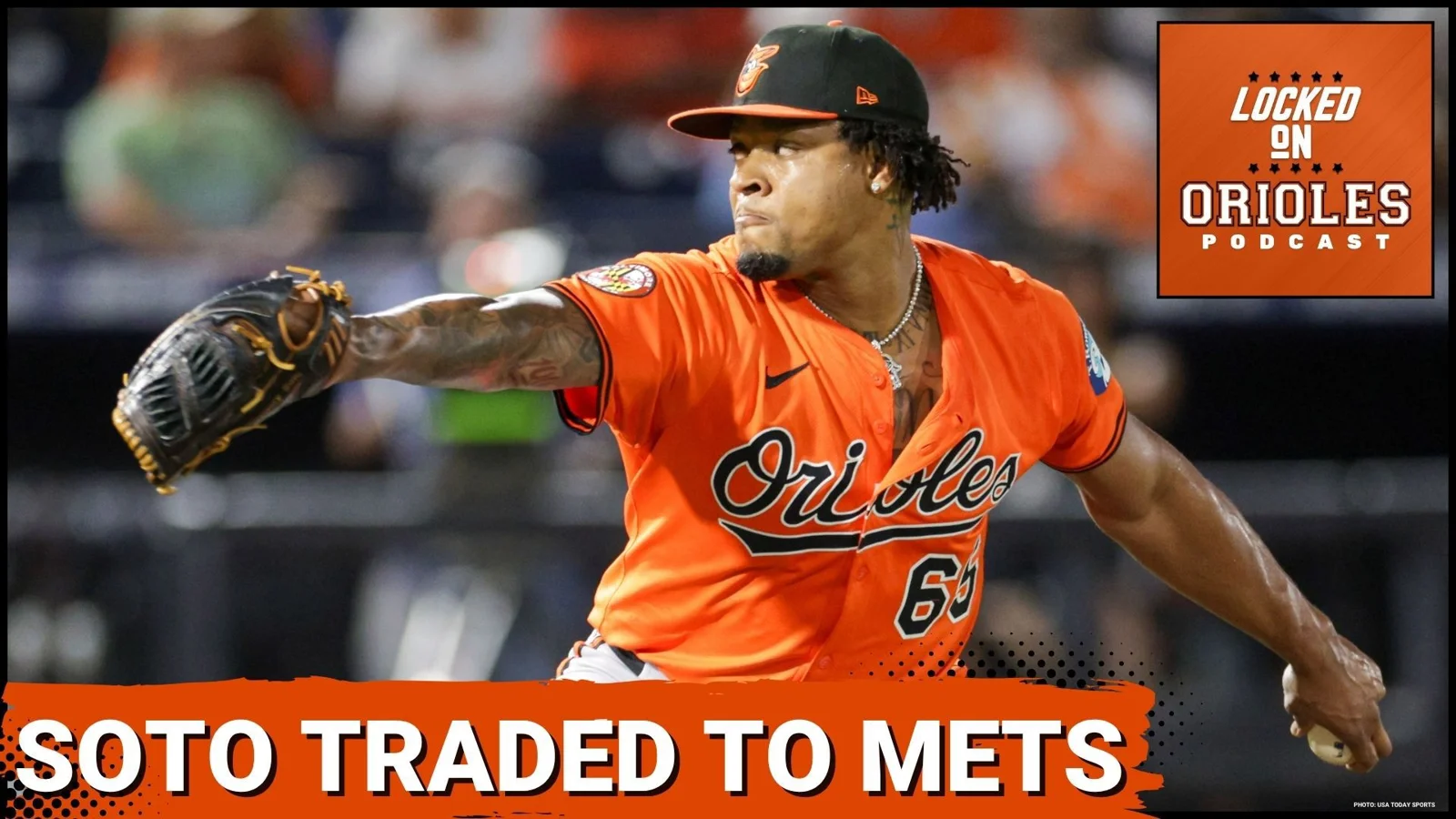

The New York Mets made significant moves at the 2025 trade deadline, aiming to strengthen their roster for a championship run. Central to this effort was acquiring Gregory Soto, a decision he embraced wholeheartedly as part of his pursuit to win a World Series. The Mets’ approach combined shrewd amateur talent acquisition and player development to build a competitive team focused on sustained success rather than short-term windows.
David Stearns, a leading executive for the Mets, outlined their philosophy following the deadline. He described their strategy as centered on enhancing the team through homegrown talent and smart trades that would improve the major-league roster without sacrificing valuable prospects at the top of the system.
The story of this deadline for us is really an amateur talent acquisition and player development story. Our amateur talent acquisition departments and our player development group put us in position to have this type of deadline to go out, acquire players we think will really help us at the major-league level and not touch some really high-upside players at the top of our system.
—David Stearns, Executive (New York Times)
Focus Amidst Competitors’ Moves
Despite high-profile activities by division rivals like the Phillies and Padres, the Mets maintained a disciplined stance, refusing to let external moves dictate their own plans. Stearns emphasized that sticking to the team‘s strategy and internal evaluations guided every decision, rather than reacting to competitors‘ actions.
It really can’t influence what we’re doing. We’re focused on following our plan and our strategy. If we get too influenced one way or the other about what one of our competitors are doing or not doing, I don’t think that’s going to lead to the most productive behavior on our end. We focus on ourselves, executing our strategy and making sure we’re making every decision with the best information possible. If we do that, we’ll probably end up in a good spot.
—David Stearns, Executive (New York Times)
Long-Term Championship Aspirations
The Mets view their ambitions not as pursuing limited “windows” of opportunity, but as an ongoing mission to contend every year. Stearns articulated the franchise’s responsibility to build a team capable of making the playoffs and winning the World Series on a yearly basis.
I don’t view this as windows. Our responsibility here is to give ourselves a chance to make the playoffs and ultimately win a World Series every single year. That’s what this should be, that’s what we’re aiming to make it.
—David Stearns, Executive (New York Times)
Pitching Staff Approach: Strengthening the Bullpen
Rather than adding a starting pitcher at the deadline, the Mets focused on reinforcing their bullpen. Stearns expressed confidence in the current starting rotation’s ability to maintain competitive performance while bolstering the bullpen with new arms acquired in trades. He also noted the promising development of pitchers rising from Triple-A, suggesting internal options could soon contribute at the major league level.
There are multiple ways to build a pitching staff. We focused on the back end of the pitching staff, the bullpen. We’re really happy with the arms we were able to acquire who are going to pitch out of our pen. And we have confidence, not only in the starters who are here, who we think are going to keep us competitive and help us win games, we are also pleased with the development of how some of the guys in Triple A are progressing.
—David Stearns, Executive (New York Times)
Regarding reliever Clay Holmes, Stearns acknowledged Holmes has physical health and velocity but recognized the need for him to pitch deeper into games, emphasizing ongoing effort in that area.
Clay, from a physical standpoint, is in really good shape, and I think the stuff, for the most part, has still been there. We gotta get a little deeper into games. Clearly, Clay knows that. He’s working hard to do that, and I think we’ll be able to see it.
—David Stearns, Executive (New York Times)
Gregory Soto’s Desire to Join the Mets
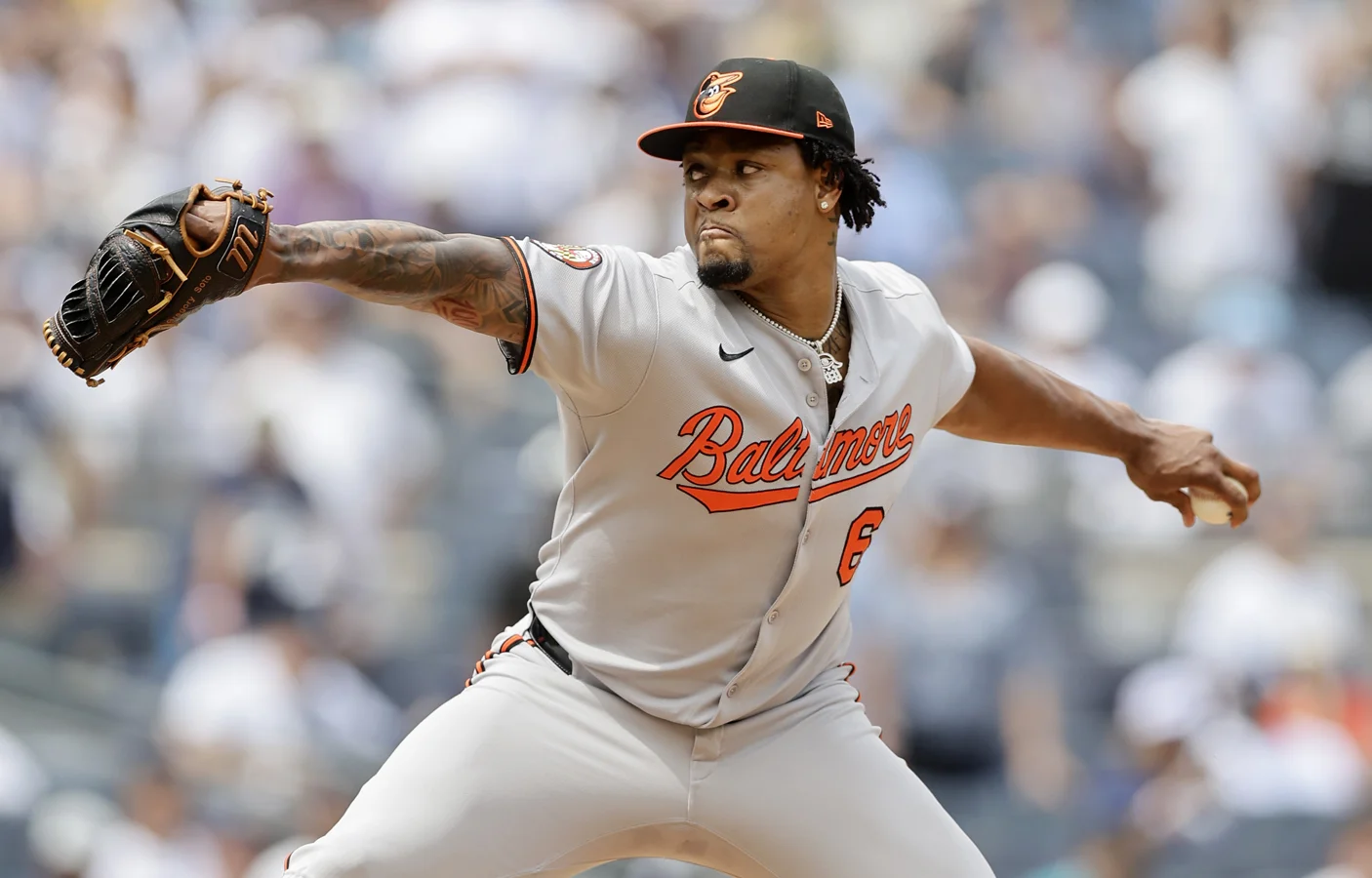
Gregory Soto expressed clear enthusiasm for joining the Mets, motivated by their winning culture and diverse clubhouse environment. He viewed the team‘s emphasis on competitiveness and the presence of many Latino players as factors that drew him to New York, aligning with his personal goal to capture a championship.
The way [the Mets] play the game, the culture that they have here, a lot of Latinos here, as well. This is a team that wants to win, and I want to win a championship, so that is why I want to be here.
—Gregory Soto, Pitcher (New York Post)
Soto detailed how his performance early in the season aimed to showcase his abilities so that a team like the Mets would acquire him, showing a proactive mindset in shaping his career opportunities.
I [wanted to] show them what I was capable of doing. Just so they could see what I was able to do so they could trade for me.
—Gregory Soto, Pitcher (New York Post)
Emphasis on Complete Player Development
Carlos Mendoza, speaking about Soto and other players, highlighted the importance the Mets place on well-rounded skill sets, including defense and baserunning, beyond hitting. Soto’s effort to improve as a baserunner exemplifies the team’s focus on all-around contributions.
So I’ve got to give him credit. Got to give our coaches, Antoan Richardson from the base running and defensive side, a lot of credit. But I think starts with the player. I mean, he wants to be great, and he’s got a chance to be one of the greatest players of all time. And he knows and understand that he’s not just the offense and the hitting. There’s a lot of and we saw it yesterday, stole a base, threw a guy out of the plate, and he continued to work on those little details there.
—Carlos Mendoza, Analyst (Baseball Prospectus)
Mendoza also noted the influence of coach Antoan Richardson, likened to a “Pitching Lab” for baserunning and defense, who has elevated the skills of players like Soto.
Other Player Perspectives and Team Dynamics
Ronny Mauricio, a young Mets player, celebrated an impressive home run landing in McCovey Cove, comparing it to the legendary Barry Bonds’ shots to the ocean, underscoring memorable moments contributing to morale.
It felt really, really good, because I saw a couple of home runs from Barry Bonds hit to the ocean. So that’s pretty good.
—Ronny Mauricio, Outfielder (MLB)
Kodai Senga, recently returning from the injured list, took a measured approach to regaining form, emphasizing patience with his performance and readiness to settle into a strong rhythm.
Given this is my third game back from [the IL], it is about time that I get in a groove.
—Kodai Senga, Pitcher (MLB)
Mark Vientos, who has been part of trade rumors, expressed mixed feelings about his part-time role. While he acknowledged the negative side of being a fringe player, he also recognized the professional importance of being discussed in league transactions, viewing it as a sign of his value.
I see it as it’s a good thing. It’s a good thing that I’m being talked about. You can see it as like, ‘Damn, it’s bad.’ But I see it as, ‘Man, I’m that important in the league that I’m being talked about in trade rumors.’ Obviously, it sucks because I don’t want to get traded. But this is a business, at the end of the day. I feel like it is what it is. What can I do?
—Mark Vientos, Infielder (MLB)
However, Vientos also shared frustration about the challenge of improving performance with limited playing time and his feeling that management did not fully consider his perspective.
No, because there’s really no point. Nobody cares. Nobody really cares, to be honest, how I feel. But it’s the business.
—Mark Vientos, Infielder (MLB)
Carlos Mendoza acknowledged Vientos’s frustration but stressed the opportunity Vientos has to impact games positively when given playing time.
Not happy [was how Mendoza described Vientos’ attitude toward his part-time role.] But also understanding that he’s got an opportunity that when he’s in the lineup, he can help us win baseball games.
—Carlos Mendoza, Analyst (MLB)
Reactions from the Mets Bullpen and New Relievers
The revamped bullpen has garnered attention and enthusiasm from its members. Ryan Stanek recognized the importance of bullpen contributions in championship pursuit.
Bullpens win championships. That’s what matters.
—Ryan Stanek, Reliever (MLB)
Both Stanek and Brooks Raley joked about their versatile bullpen roles, with Raley referencing the possibility of being an opener, showcasing the team‘s flexible pitching approach.
I might be pitching the fourth inning.
—Ryan Stanek, Reliever (MLB)
I might be the opener.
—Brooks Raley, Reliever (MLB)
Ryan Helsley, a recent acquisition, expressed strong motivation to perform well and earn a chance to play in October, reflecting the shared goal among new players on the Mets.
You want to play in October because you never know if it is going to be your last time or your only time. We take it for granted sometimes, and I think when you have that chance and another team wants you to add you to their team, that’s a big deal.
—Ryan Helsley, Reliever (MLB)
Team Moments and Player Contributions
Pete Alonso received praise for a critical defensive play that averted a potential scoring threat, an important moment that highlighted the team’s resolve and effort in tight situations during the season.
Pete, he made some really good picks over there tonight that really saved us.
—Clay Holmes, Pitcher (MLB)
Not an easy one. That’s an in-between hop there. If that ball gets away, that’s a completely different inning.
—Carlos Mendoza, Analyst (MLB)
I didn’t think I had it. I looked up, I was like, ‘Huh?’ I was confused that we challenged it. I didn’t even think we had a shot.
—Pete Alonso, First Baseman (MLB)
You’ve got to give credit to Pete.
—Carlos Mendoza, Analyst (MLB)
I’m just stoked that I was able to contribute, and … prevent some runs coming across. Clay was pouring his heart out, out there. I was just trying to make some plays.
—Pete Alonso, First Baseman (MLB)
Trade and Team Staff Updates
After the trade deadline, the Mets nearly maximized their bonus pool expenditures, coming within five dollars of the cap, according to Jim Callis. This careful financial management reflects the team’s consideration of long-term roster building.
The Guardians were the only club to spend every penny of their 5% bonus pool overage. The Mets came within $5 of doing so.
—Jim Callis, Baseball Journalist
Meanwhile, José Buttó, a lifelong Met organization player, showed emotional responses to being traded, highlighting the personal impact trades have on players’ lives.
Significance of the Mets’ Trades and Gregory Soto’s Role
The Mets’ bold deadline acquisitions, including Gregory Soto, underline their commitment to assembling a roster capable of competing deep into the playoffs. Soto’s motivation to join New York for its winning culture and diverse environment, combined with the front office’s focus on player development and bullpen strength, positions the Mets for sustained contention.
As the season progresses, the integration of these new assets will be crucial in determining the Mets’ playoff success and potential for a championship berth. Maintaining internal focus amid external pressures, developing talent comprehensively, and trusting in strategic planning remain the cornerstones of the Mets’ approach moving forward.