
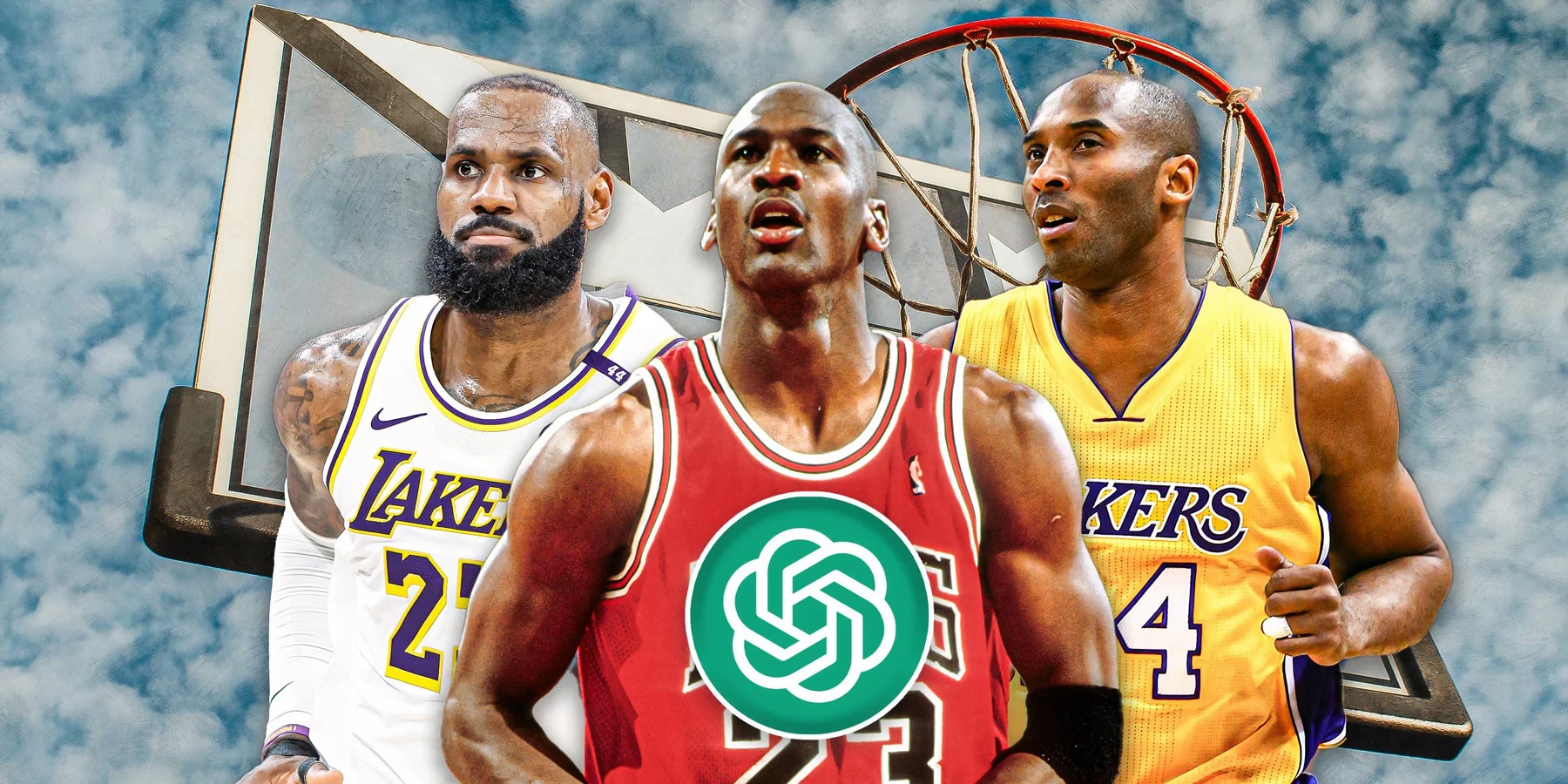

LeBron James, a key figure in the Los Angeles Lakers’ recent history, has sparked discussion by revealing his all-time Lakers starting lineup. Announced in 2022, this roster highlights legendary players who shaped the franchise, anchored by James’ own perspective on the team’s greatest contributors. This lineup combines iconic stars from different eras, reflecting James’ admiration for the franchise’s heritage as he continues his own storied tenure with the Lakers amid ongoing changes.
James joined the Los Angeles Lakers seven seasons ago and is signed for at least one more. He led the team to the 2020 <a href=”https://www.buzzineintl.com/category/basketball/nba/”>NBA Championship, reclaiming the franchise’s 17th title after a playoff miss in his debut season. However, since winning that championship, the Lakers have faced a rollercoaster path featuring multiple play-in tournament appearances, a failed playoff bid, and limited postseason success. Off-court issues like management decisions and coaching turnover have complicated their quest for stability and continued success.
In a major shift, the Lakers made headlines in February by trading for Luka Doncic, a blockbuster move signaling a future-focused strategy as the aging LeBron edges towards the conclusion of his career. Despite this transition phase, James remains a respected figure within Lakers lore, blending his on-court excellence with an influential leadership role.
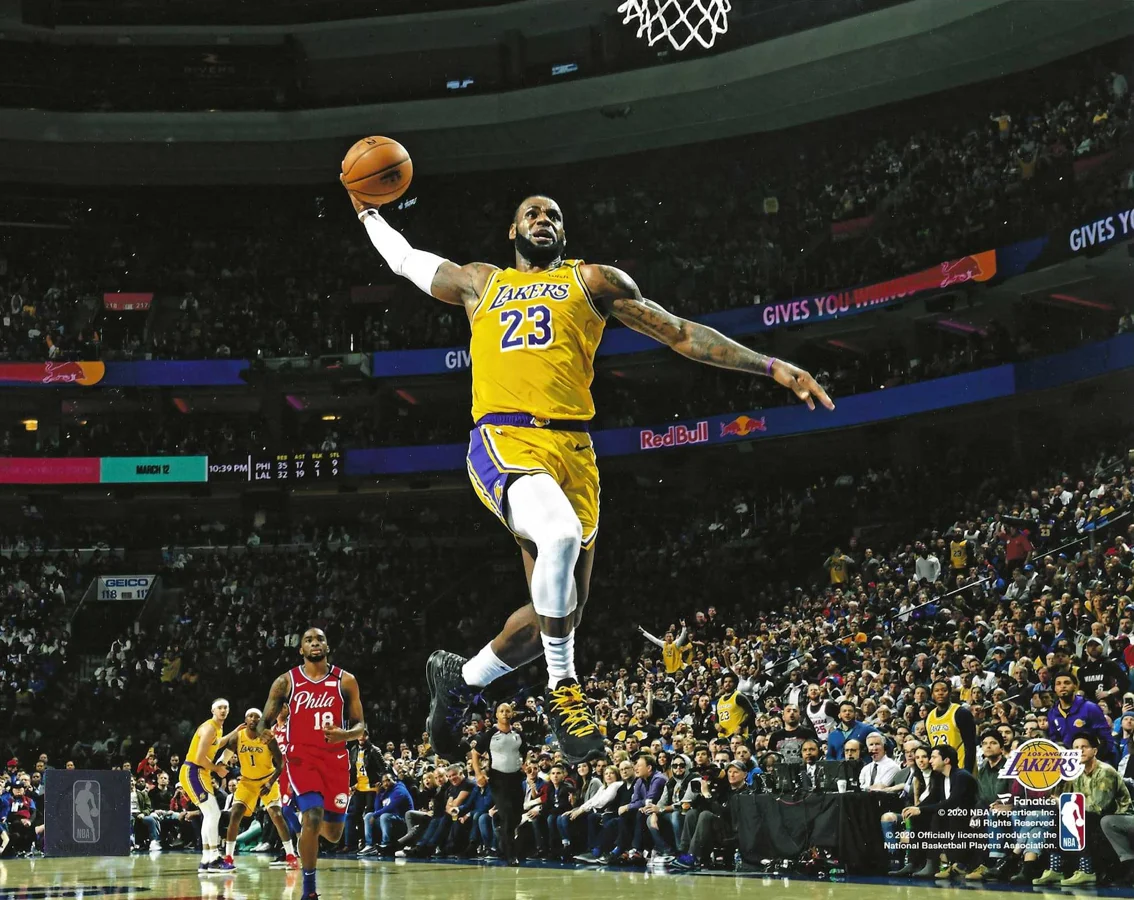
LeBron’s Pick at Point Guard: The Magic of Johnson
LeBron named Magic Johnson as his all-time Lakers point guard, a choice few would contest given Johnson’s legendary status. Spending his entire 13-year career with Los Angeles, Magic was a defining figure of the Showtime Lakers. His accomplishments include 12 All-Star selections, 10 All-NBA honors, and three MVP awards, as well as five NBA championships during his illustrious 1980s tenure.
Magic’s impact was not only reflected in his statistics, like his all-time-leading 12.3 assists per game, but in his ability to elevate teammates—a trait clearly admired by LeBron, who models much of his game after Johnson. Magic’s pioneering role as a 6-foot-9 point-forward set a precedent in the NBA, blending size and playmaking skills in a way that is now common but was revolutionary during his era.
Honoring the Logo: Jerry West at Shooting Guard
At shooting guard, LeBron chose Jerry West, whose silhouette serves as the NBA’s iconic logo and who remains an enduring symbol of Lakers excellence. West’s career was marked by both brilliance and heartbreak, appearing in nine NBA Finals but managing to secure just one championship in 1972. Despite losing eight Final series, including four Game 7s, West’s reputation as one of the most clutch players endures.
West’s accolades include 14 All-Star appearances, 12 All-NBA selections, and five All-Defensive honors. Notably, he was named Finals MVP in 1969 despite his team’s loss, a unique distinction in league history. Beyond his on-court talents, West’s impact extended into roles as a coach and executive, earning widespread respect for his dedication to basketball. LeBron’s appreciation for West reflects the mutual recognition of their influence on and off the court.
Kobe Bryant Anchoring the Small Forward Role
To incorporate both Jerry West and Kobe Bryant, LeBron placed Kobe at small forward, a position slightly outside his natural backcourt role. This decision underlines LeBron’s respect for Kobe, an enduring Lakers icon and five-time NBA champion. Despite the challenge of competing with Kobe-first fans during his time in Los Angeles, LeBron consistently recognized Kobe’s unmatched contributions to the franchise.
Kobe’s two-way excellence distinguished him as both a dominant scorer and relentless defender, complementing a backcourt with Johnson and West. His 18 All-Star appearances, 15 All-NBA honors, and 12 All-Defensive team selections testify to his mastery on both ends. Kobe’s proficiency in isolation plays and mid-range shooting, combined with his legendary work ethic, made him a critical offensive weapon and a fierce competitor on the defensive end.
Power Forward Role: Anthony Davis Over Himself
Initially considering himself for power forward, LeBron instead selected current teammate Anthony Davis for the position. Though Davis’s tenure in Los Angeles was abbreviated by the sudden trade for Luka Doncic, his defensive prowess and versatility make him a strong fit on this all-time roster. Davis is less decorated compared to other Lakers legends but excels as one of the premier defenders of his generation.
Davis is a five-time All-Defensive team member and a five-time blocks leader, yet has never earned the Defensive Player of the Year award. His ability to guard the paint and switch effectively onto smaller, quicker players is rare for a six-foot-ten athlete and adds crucial balance to the lineup. Davis’ partnership with Bryant in the frontcourt represents a formidable defensive presence that would challenge any opponent.
Center Position Sparks Debate: Shaquille O’Neal Preferred Over Kareem Abdul-Jabbar
The most controversial choice in LeBron’s lineup is selecting Shaquille O’Neal as center instead of Kareem Abdul-Jabbar, who remains the Lakers’ most decorated player and one of the greatest in NBA history. While Abdul-Jabbar’s record includes more career achievements, James valued Shaq’s dominance and significant Finals performances as the deciding factor.
O’Neal led the Lakers to three consecutive NBA championships from 2000 to 2002, averaging nearly 36 points and 15 rebounds per game in those Finals appearances and earning Finals MVP honors each time. His combination of size, skill, and agility was unmatched, setting a standard for big men in his era. LeBron viewed adding O’Neal to this lineup as a way to ensure sufficient size and interior strength, especially with Anthony Davis occupying the power forward spot.
The presence of Shaq in the center role is a testament to James’ analytical approach to team construction, emphasizing the need for balance between scoring, defense, and physicality inside the paint.
LeBron James’ Lakers All-Time Lineup, blending icons like Magic Johnson, Jerry West, Kobe Bryant, Anthony Davis, and Shaquille O’Neal, illustrates his deep respect for Lakers history while reflecting the evolving considerations of modern basketball strategy. This lineup has sparked debate among fans, especially due to notable omissions and positional adjustments, but it undeniably highlights some of the franchise’s most impactful players.
As the Lakers look toward their future with new acquisitions and a shifting roster, this all-time starting five serves as both a reminder of the franchise’s rich legacy and a lens through which to evaluate the team’s present identity. For LeBron and Lakers supporters, understanding this lineage is essential as the organization aims to recapture championship glory in the years ahead.