
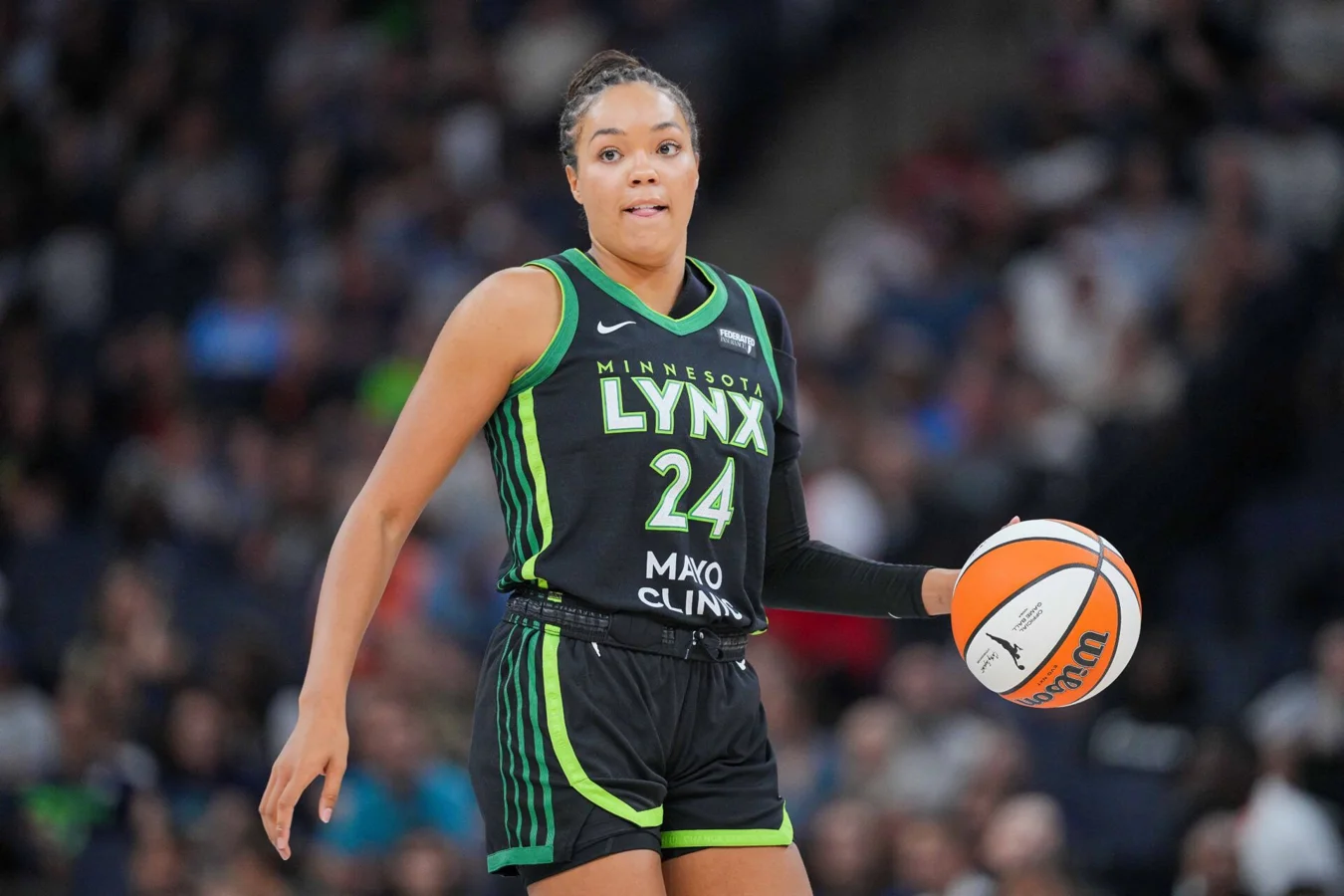

Since Caitlin Clark and Angel Reese joined the WNBA, their fan bases have engaged in constant criticism and trolling, creating ongoing tension within the league. Minnesota Lynx star Napheesa Collier has observed how this rivalry between fans has extended beyond the two players, resulting in increased hostility throughout the WNBA.
The contentious narrative began after the former LSU forward Angel Reese taunted Caitlin Clark following her national championship victory. Although the players themselves have expressed no desire to fuel a rivalry, the media and fans continue to amplify existing conflicts. When one player struggles in a game, opposing fan groups often escalate tensions by capitalizing on those moments, fueling further division among supporters.
As Collier points out, this adversarial environment is no longer confined to Clark and Reese but has spread across the entire league, generating widespread negativity and hostility among fans toward many players.
Napheesa Collier Highlights Increasing Hostility Across the League
Collier has voiced concern over the growing toxicity permeating the WNBA fan community. She emphasizes that basketball and sports, in general, are meant to bring people together but now face rising levels of animosity toward players beyond just Clark and Reese.
It is getting so toxic in our league, with a lot of the fans going back and forth. Basketball and sports are supposed to be unifying. Just hatred out there towards other players, not just Angel and Caitlin. People are so nasty out there. I feel like we are trending in a bad spot with that.
Napheesa Collier said on A Touch More podcast
According to Collier, the negativity is no longer isolated to the two high-profile players but affects others, like her teammate Courtney Williams, who recently encountered similar hate on social media platforms. The escalation suggests that divisive behavior among fan groups is becoming an entrenched problem within the WNBA community.
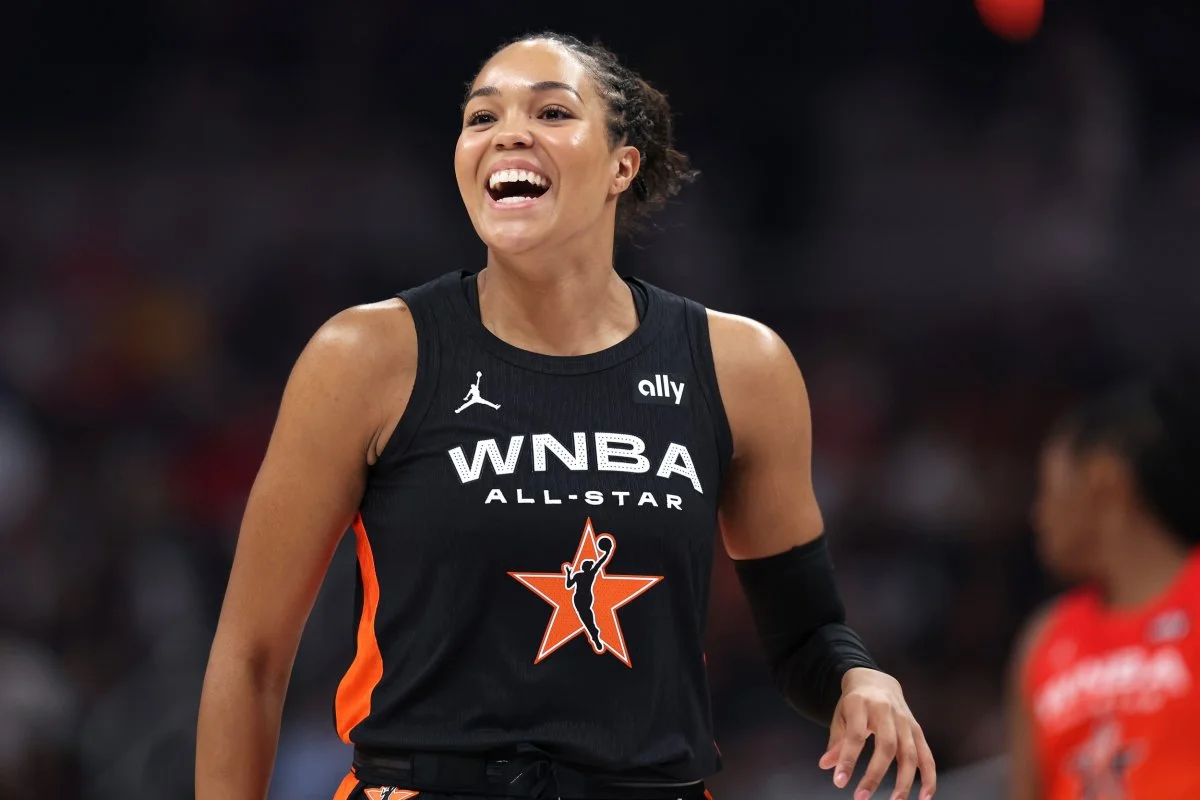
Positive Response from Indiana Fever Fans During All-Star Weekend
Despite the rising hostility felt across the league, Collier acknowledges a contrasting experience during the 2025 WNBA All-Star weekend held in Indiana. She praised the atmosphere created by Indiana Fever supporters, noting their enthusiastic and respectful engagement throughout the event.
It was awesome. Indiana did an amazing job of putting on the All-Star game. The fans looked like they really enjoyed themselves. They showed up to everything. It was just a fun time. The vibes were so good.
Napheesa Collier said
This positive interaction with Indiana fans provided a refreshing counterpoint to the toxicity Collier has described elsewhere. Other players echoed similar sentiments about the All-Star fans’ inclusive and supportive behavior, which helped dispel negative stereotypes linked to the Fever’s fan base since their star player’s entrance into the WNBA.
Concerns Rising Over League Security and Fan Behavior
As the focus shifts from the feud between Clark and Reese to broader league-wide issues, Collier warns that the spread of hostility poses risks to the WNBA’s environment and player safety. She points to recent incidents that highlight the need for increased league intervention and protective measures.
One notable example includes the harassment faced by Courtney Williams online, which underscores how players outside of the Clark-Reese dynamic are not immune to toxic fan behavior. Additionally, a disruptive incident in Atlanta involving an inappropriate object brought into the arena sparked criticism regarding event security protocols.
Collier and others have expressed concern that these security lapses and escalating fan hostility could tarnish the progress the WNBA has made over recent years. There is a growing call for the league to establish clearer boundaries and regulations to curb abusive conduct and enhance the protection of players during games and events.
If not addressed, unchecked fan misconduct could undermine the league’s reputation and the players’ experiences, threatening the positive momentum the WNBA has worked hard to build.
Fan Culture and Its Influence on Player Rivalries
The rivalry atmosphere surrounding Clark and Reese has undoubtedly drawn attention to the league, but it has also had unintended consequences on fan dynamics. Collier reflects that the initial hostility arose mainly from dedicated fan groups embarrassing opponents of Caitlin Clark, but this sentiment has expanded beyond its origin.
Fan factions created in the wake of this rivalry now tend to target various players, waiting for opportunities to criticize or provoke one another. This phenomenon not only affects the social media landscape but also influences how players experience support or animosity during games.
The polarization of fan bases may inadvertently deepen divides even within teams and communities that should promote unity and respect on and off the court.
The Role of Media and Fans in Shaping WNBA Narratives
The media’s involvement has played a significant role in perpetuating and magnifying the Clark-Reese rivalry, often spotlighting contentious moments while fans amplify these narratives through social platforms. Though the players have sought to avoid personal conflict, external pressures continue to enforce division.
Collier’s observations call attention to the need for more responsible coverage and fan behavior that prioritizes sportsmanship and mutual respect. Maintaining a healthy and respectful environment is essential for the league’s growth and the well-being of its players.
Looking Ahead: Addressing Toxicity to Protect the League’s Future
The WNBA stands at a critical juncture; the ongoing toxicity and harassment among fans threaten to overshadow athletic achievements and the inclusive spirit the league promotes. Napheesa Collier’s warnings highlight a pressing need for enhanced efforts from both the league and its supporters to foster a positive, respectful culture.
Improvements in event security, stricter enforcement of codes of conduct, and collaborative fan engagement initiatives could mitigate harmful behaviors. Ensuring that the WNBA remains a welcoming space for players and spectators alike will be essential for the league’s continued success and reputation.
As attention shifts beyond the initial Clark-Reese rivalry, the league’s response to these challenges will shape how future players and fans experience WNBA basketball in the years to come.