


As the trade deadline passed, the Chicago Cubs made strategic moves to reinforce their roster, acquiring infielder Willi Castro and left-handed reliever Taylor Rogers. These additions aimed to enhance team depth and versatility ahead of the playoff push, complementing previous pitching acquisitions like Michael Soroka and Andrew Kittredge. The Cubs’ focus was primarily on pitching, but the trade for Castro, a switch-hitter known for his versatility, added valuable offensive and defensive flexibility to the lineup.
Willi Castro’s Defensive Versatility and Offensive Upside
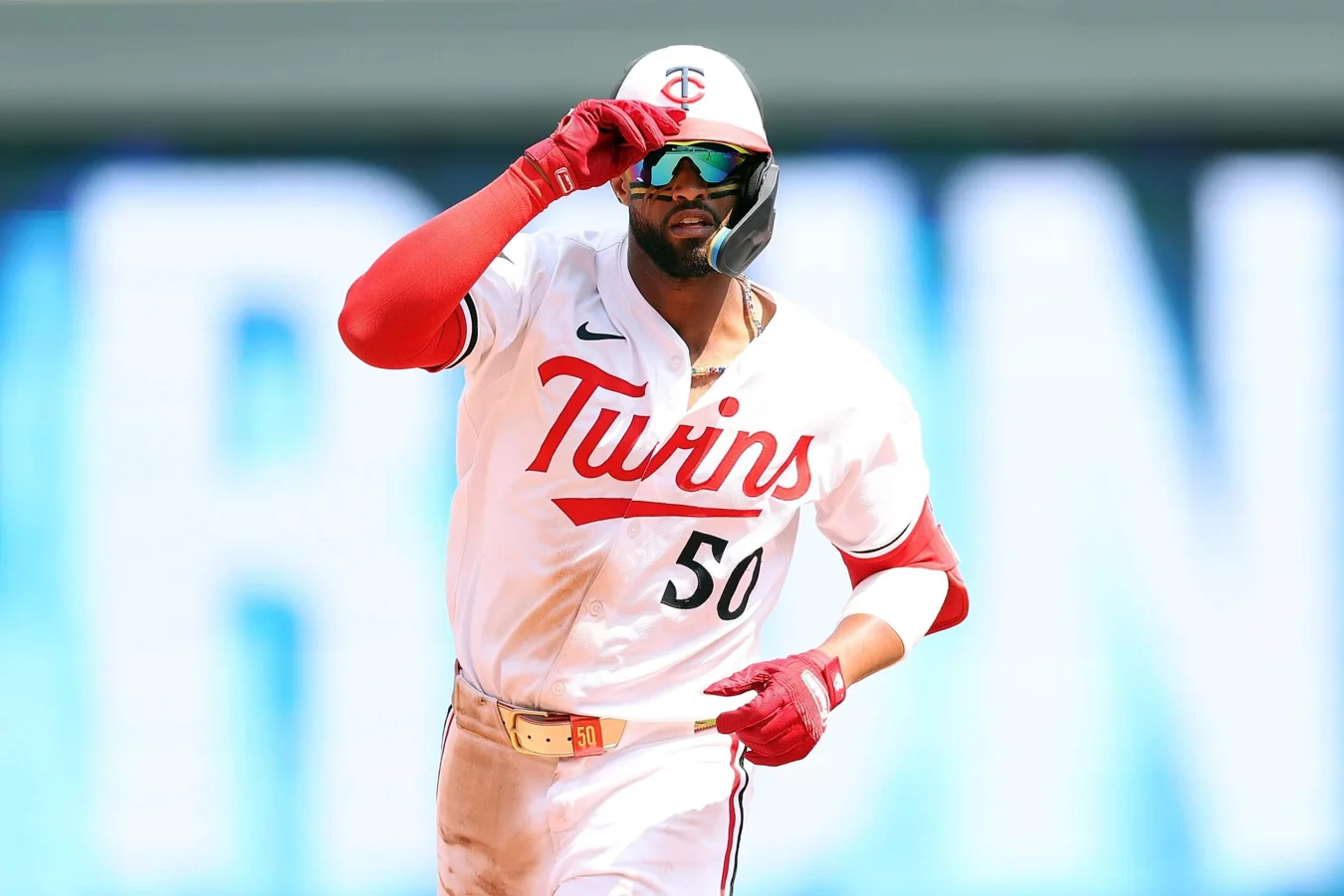
Willi Castro’s key attribute is his ability to play multiple positions, a factor that made him appealing to the Cubs despite their already potent offense. In 2024, Castro has appeared at nearly every spot except catcher and first base. While his defensive metrics suggest he struggles in premium up-the-middle roles such as shortstop and center field, he remains serviceable at second base and in the corner outfield positions. His defensive value, measured by Fangraphs’ FRV, indicates that second base (2 FRV) and left field (5 FRV) are among his strongest spots.
Castro’s offensive contributions have improved since joining the Minnesota Twins, showing a wRC+ of 109 this season, a modest increase over his previous performances. His ability to switch-hit adds to his value, although he has demonstrated better results against left-handed pitchers with a 131 wRC+ versus 100 against right-handers in 2024. He has also increased his power output, launching 10 home runs in 344 plate appearances, with potential to maintain or build on that pace.
Comparing Castro’s Role to Current Cubs Utility Players
While Castro saw nearly everyday play with the Twins, Chicago’s roster already features starters secured at every position, meaning he is unlikely to usurp a regular spot. Instead, his presence allows the Cubs to rest starters periodically as they contend in the stretch run, similar to a veteran utility role akin to Ben Zobrist’s in previous Cubs teams. With the Cubs currently relying on Jon Berti as their utility player, who has made just five starts since mid-May, Castro represents an upgrade in offensive reliability and positional flexibility. Additionally, third baseman Matt Shaw, a top prospect, has experienced ups and downs this season, and Castro could serve as a stabilizing option if Shaw falters.
Matt Shaw’s Progress and Impact on Cubs Roster Decisions
Matt Shaw began the season as one of the Cubs’ top prospects and earned a spot on the Opening Day roster, but early struggles resulted in a demotion to Triple-A. Since his return, Shaw’s performance has improved significantly, especially after the All-Star break, where he posted a remarkable .359/.375/.744 slash line across 40 plate appearances. While this surge might not be sustainable, it signals potential growth toward becoming a consistent major-league contributor. Despite Shaw’s rise, Castro’s steady offensive output (109 wRC+) positions him as a capable alternative should Shaw encounter difficulties as the season progresses.
Relief Pitching: Addressing Cub’s Bullpen Needs with Rogers and Kittredge
Unlike offense, pitching has been a critical focus for the Cubs this year. To improve their bullpen depth, Chicago acquired Taylor Rogers from the Pittsburgh Pirates shortly after adding Andrew Kittredge. Rogers’ arrival comes amid ongoing bullpen issues; while lefty Caleb Thielbar has provided reliable innings, Drew Pomeranz struggled in July after a stellar June, and other relievers such as Ryan Pressly and Porter Hodge were removed from high-leverage roles. Daniel Palencia stepping into the closer’s role brought some stability, but the overall relief corps ranks only mid-tier in adjusted ERA and below average in FIP, indicating room for improvement.
Taylor Rogers’ Consistent Performance as a Reliable Left-Handed Reliever
Though Rogers’ advanced metrics suggest some regression due to underwhelming peripheral stats, his 2.45 ERA over 33 innings and 3.28 career ERA illustrate dependable performance. His walk rate and strikeout rate have declined compared to previous seasons, but even if his true ability lies between his actual numbers and expected metrics, he is likely to represent a meaningful upgrade for the Cubs’ bullpen. Rogers has a history of being serviceable in relief roles, providing the Cubs with a trustworthy arm, particularly valuable in late-inning situations against left-handed hitters.
Prospects Departing Cubs and Incoming Talent Evaluations
To acquire Castro and Rogers, the Cubs traded three prospects. Minnesota received two pitching prospects: Ryan Gallagher and Sam Armstrong, both profile as developmental projects. Gallagher, promoted recently to Double-A, features a fastball in the low 90s and an effective screwball-style changeup that creates significant movement and deception. Analyst Eric Longenhagen described Gallagher as a
“vert-slot righty with a 90-92 mph fastball that punches above its weight”
and praised his plus secondary pitches, projecting him as a future 40 FV (future value) prospect in the Twins’ system.
Armstrong appears to be organizational depth, with averages or slightly below-average stuff and a strikeout rate around 19% in Double-A this year. The Cubs’ assessment suggests Armstrong is less of a high-impact prospect but adds to the Twins’ minor league pitching resources.
The Pirates acquired outfield prospect Ivan Brethowr from Chicago in exchange for Rogers. Brethowr showed considerable power in college with 28 home runs over 112 games at UC-Santa Barbara, but his power has yet to translate professionally. His batting line in Single-A and High-A reflects struggles, particularly with a low contact rate at 66%, which raises concerns about his ability to develop into a consistent offensive contributor despite solid plate discipline demonstrated by a strong on-base percentage in High-A.
Looking Ahead: Impact of Acquisitions on Cubs’ Postseason Outlook
The acquisitions of Willi Castro and Taylor Rogers demonstrate the Cubs’ commitment to both depth and balance as they prepare for a playoff push. Castro’s ability to fill multiple positions and provide solid offense offers manager David Ross additional options for resting key players or covering injuries, a crucial advantage in the demanding final months of the season. Meanwhile, Rogers’ presence strengthens a bullpen that struggled earlier in the year, giving the Cubs more reliability in late innings, especially versus left-handed hitters.
While the Cubs’ offense leads the majors in runs and dominates the National League in weighted runs created plus (wRC+), their pitching has faced challenges. Enhancing the bullpen and adding infield versatility could be decisive factors in sustaining their competitiveness. With free agency looming for Castro at season’s end, the Cubs secured him in time to capitalize on his multi-positional skills, while Rogers’ trade highlights the continuous market activity among contending teams seeking bullpen improvements.