
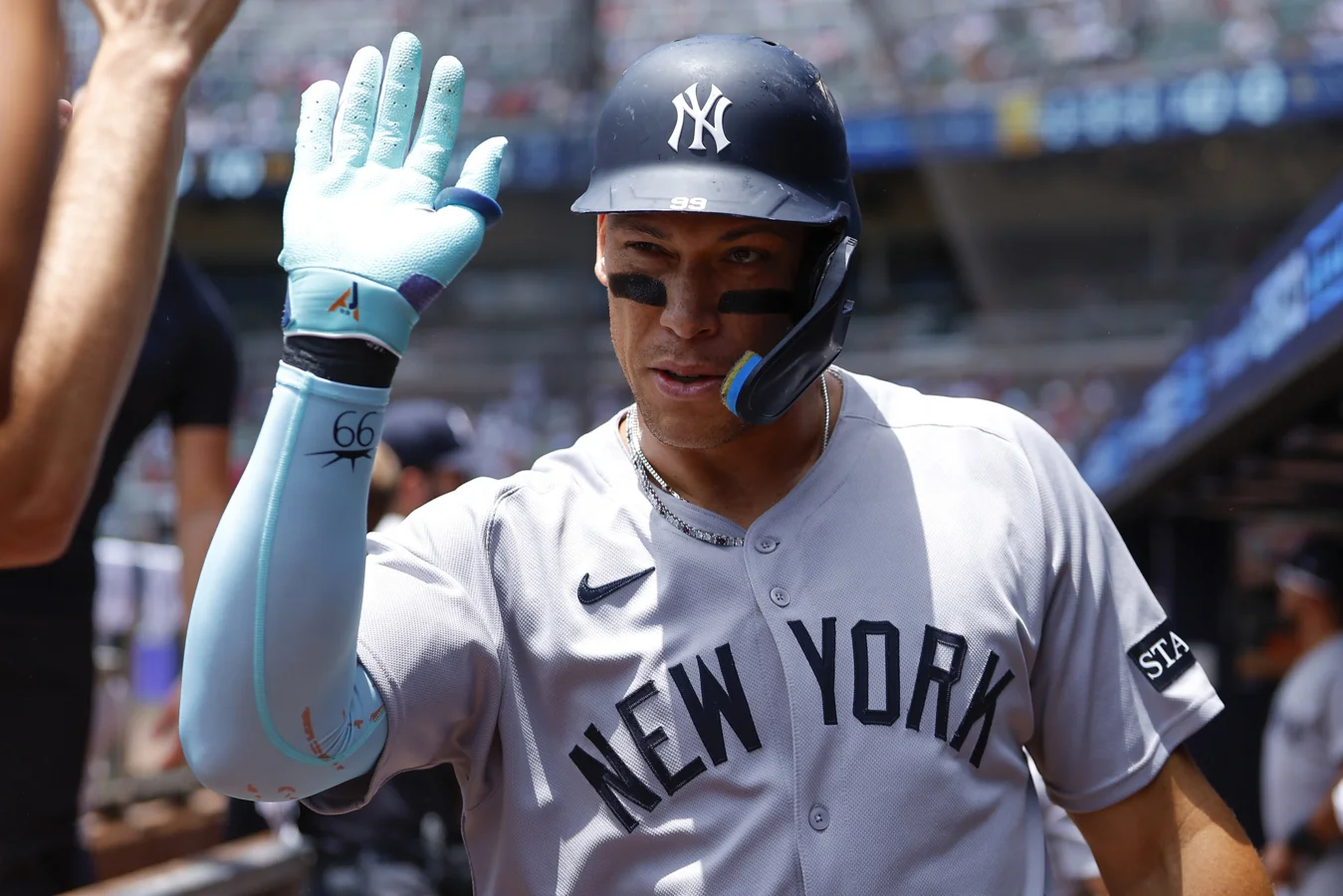

The New York Yankees faced a major setback on July 26 when Aaron Judge, their two-time American League MVP, was placed on the 10-day injured list due to a right flexor strain. This injury often signals a potential ulnar collateral ligament (UCL) tear, which typically requires Tommy John surgery, raising concerns about Judge’s availability for the rest of the season.
As the Yankees struggle to regain their footing in the fiercely competitive American League East, securing Judge’s health remains critical. At the time he was sidelined, Judge was delivering a historic offensive performance, and the team was trailing the division-leading Toronto Blue Jays by 6 1/2 games after losing a substantial seven-game lead they held as recently as May 28.
Judge’s Injury Cuts Short a Stellar Season
Aaron Judge had been the Yankees’ linchpin, keeping their season from deteriorating further. He led Major League Baseball with 37 home runs and a remarkable 1.160 OPS, topping league charts in batting average, on-base percentage, slugging percentage, extra base hits, and wins above replacement (WAR), among other key statistics.
Yankees manager Aaron Boone initially expressed optimism, stating that Judge would likely miss only the minimum 10 days required on the injured list. Boone confirmed later that Judge could return as soon as Tuesday, the 11th day after his placement on the IL, but explained that Judge’s role would initially be limited to designated hitter duties rather than playing in the outfield.
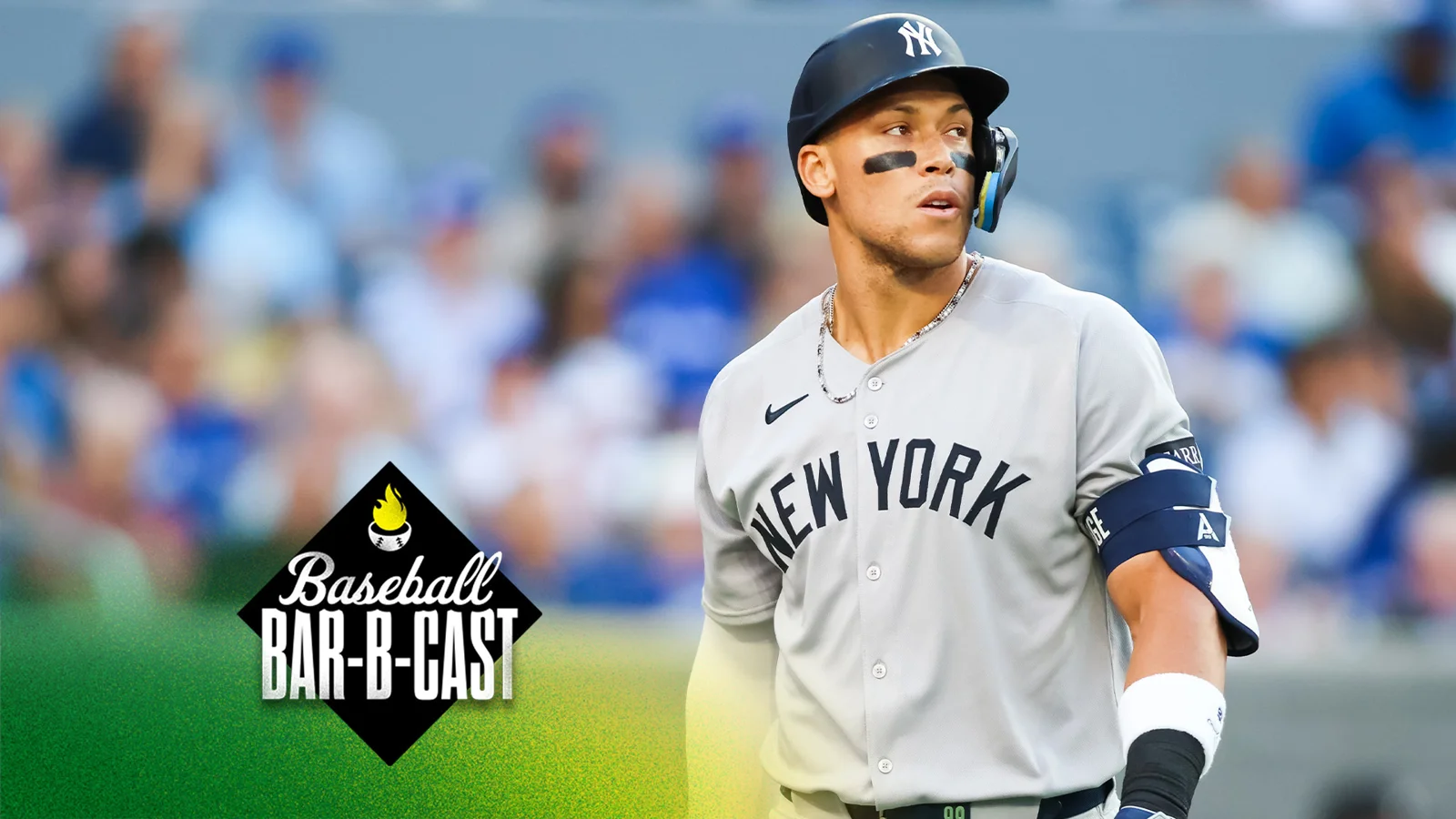
Concerns Raised Over Judge’s Premature Return
Despite the team’s hopeful timetable, former Yankees pitcher and current TV analyst David Cone cautioned against rushing Judge back. Cone, part of four World Series championship teams with New York, warned that risking Judge’s throwing arm could lead to a more severe injury.
“You don’t want to mess with that arm,”
Cone said during a recent broadcast.
“One big throw could lead to something else.”
—David Cone, Former Yankees Pitcher and Analyst
The Yankees’ plan to use Judge exclusively as a designated hitter at first aims to limit throwing stress that might worsen his injury and force season-ending surgery.
Hitting Also Poses Threats for Judge’s Recovery
However, sports injury expert Will Carroll offered a bleaker outlook on the Foul Territory podcast, emphasizing that Judge’s injury involves more than just throwing risks. Carroll explained that the flexor strain impacts crucial tendons connected to the UCL and is difficult to heal, with recovery potentially taking a month or longer.
“This is worse than the UCL tear,”
Carroll stated.
“Without this, [Judge] cannot play. … This doesn’t heal quickly. This small, little tendon, which overlaps with the UCL, often takes a month or even more to heal up. … For Judge, this is bad. For the Yankees, this is bad.”
—Will Carroll, Sports Injury Expert
Carroll further detailed in his Under the Knife newsletter that the mechanics of hitting put significant strain on Judge’s elbow, compounding the risks already posed by the injury. This casts doubt on whether the Yankees’ plan to limit Judge to hitting initially will adequately safeguard him from aggravating the condition.
With Judge’s health pivotal to the Yankees’ hopes of a postseason run, the team must balance the urgency of his return against the potential for a more severe, season-ending injury. If the damage worsens, Judge may face Tommy John surgery, sidelining him for an extended period and severely undermining New York’s already tenuous playoff chances.