
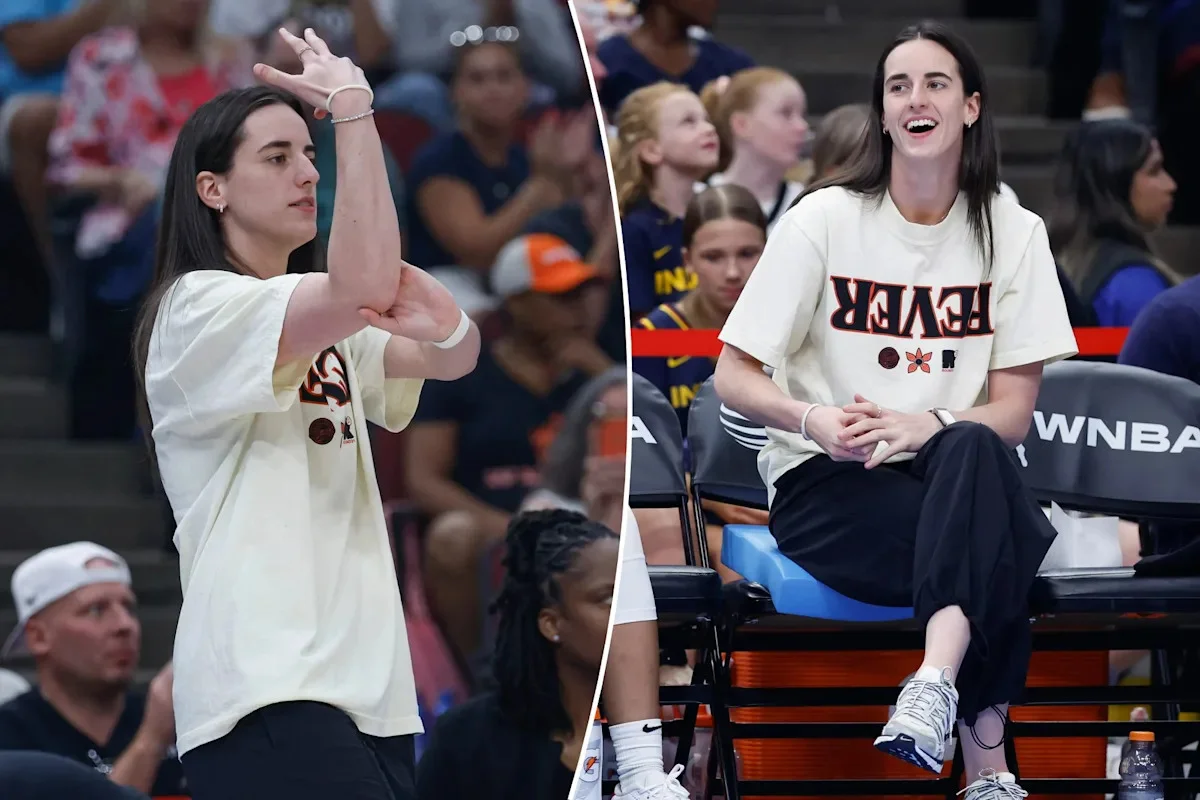

Indiana Fever star Caitlin Clark has faced ongoing injury issues this WNBA season, leading to prolonged absences from play. Head coach Stephanie White has highlighted the demanding schedule as a key contributor to Clark’s persistent groin injury, suggesting league operations may be influencing her availability. Clark’s limited playing time this season and repeated missed matchups with top players like Paige Bueckers have left fans and analysts questioning the factors prolonging her absence.
Coach Stephanie White Points to Rigorous League Scheduling
Following the Fever’s recent victory, Stephanie White addressed the challenges of managing player health amid the WNBA’s demanding travel and game frequency. She noted that the team was entering a grueling West Coast road trip with games every other day and multiple time zone changes. White emphasized the necessity of balancing athlete care with competitive demands and maintaining constant communication with medical staff and players.
“It’s just the nature of the league,”
White stated during her postgame press conference.
“We’re starting a West Coast swing, playing every other day, crossing two time zones tonight… as coaches, we have to be smart about how we handle that.” —Stephanie White, Indiana Fever Head Coach
“Our job is to find the best of both worlds when we’re in the midst of these kinds of travel situations,”
she added, highlighting the complexity of managing recovery with a packed schedule.
Increasing WNBA Schedule Strains Player Health and Recovery
The WNBA has significantly expanded its regular season schedule in recent years, increasing the number of games from 34 to 44 in 2025. While this growth reflects the league’s rising popularity, it has also decreased average rest periods between games, now down to approximately 2.7 days. Such a compressed timeline offers little opportunity for players to recover fully, especially those managing injuries like Caitlin Clark’s groin strain.
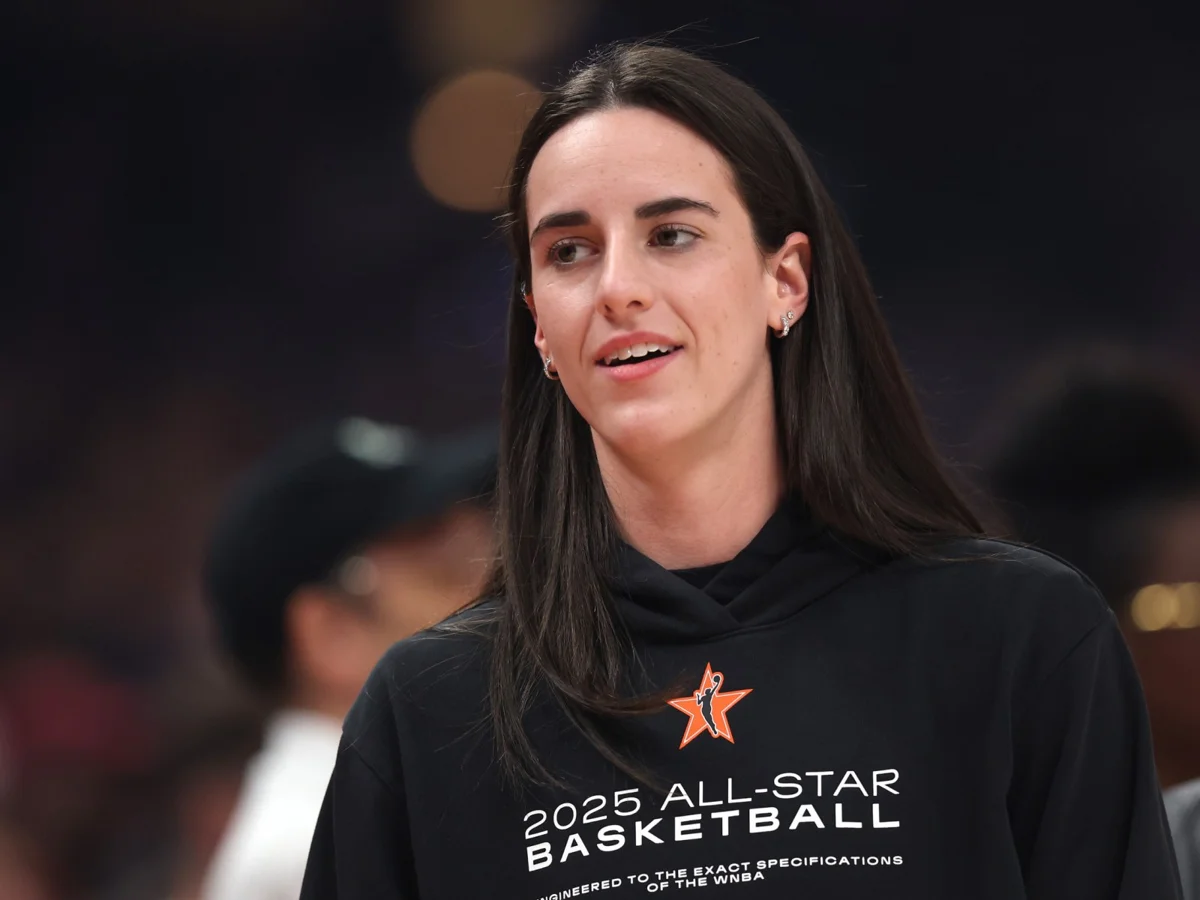
In the 2024 season, teams played 40 games across 116 days, averaging nearly one game every 2.9 days. This season’s accelerated schedule intensifies the physical demands on athletes. With frequent games and travel, teams encounter more fatigue and higher injury risks, complicating recovery efforts and potentially extending time away from competition.
Photo evidence from recent matchups, including a game at Boston’s TD Garden where Clark was visibly struggling, underscores the physical toll these conditions impose. This ongoing strain amplifies concerns for player welfare amid the league’s expansion plans.
WNBA Expansion and Its Impact on Player Sustainability
The WNBA is preparing for significant growth, with new franchises—the Toronto Tempo and Portland Fire—joining in 2026, and plans to reach 18 teams by 2030, potentially adding cities such as Detroit, Cleveland, and Philadelphia. While expansion is a positive sign of the league’s evolution, it raises urgent questions about how player health will be maintained with an even busier and more extensive season.
Without adequate rest periods and injury prevention strategies, the risk of sustaining or worsening injuries may increase, threatening athletes’ long-term performance and career longevity. For premier players like Caitlin Clark, balancing competitive schedules with sustainability will remain a central challenge for teams and league planners alike.
Future Outlook for Caitlin Clark’s Return and League Health Management
Currently, there is no definitive timetable for Caitlin Clark’s return to the Indiana Fever lineup. The team’s upcoming away game against the Seattle Storm on August 3 marks another crucial moment as they navigate these compounded pressures. Coach White’s insights suggest the importance of strategic player management amidst grueling travel and condensed scheduling to protect star athletes.
The broader implications extend beyond one player or team; as the WNBA continues to grow, establishing a sustainable schedule that prioritizes athlete health is critical. The league’s ability to adapt could determine not only the wellbeing of players like Clark but also the overall quality and competitiveness of the sport as it moves into a new era.