
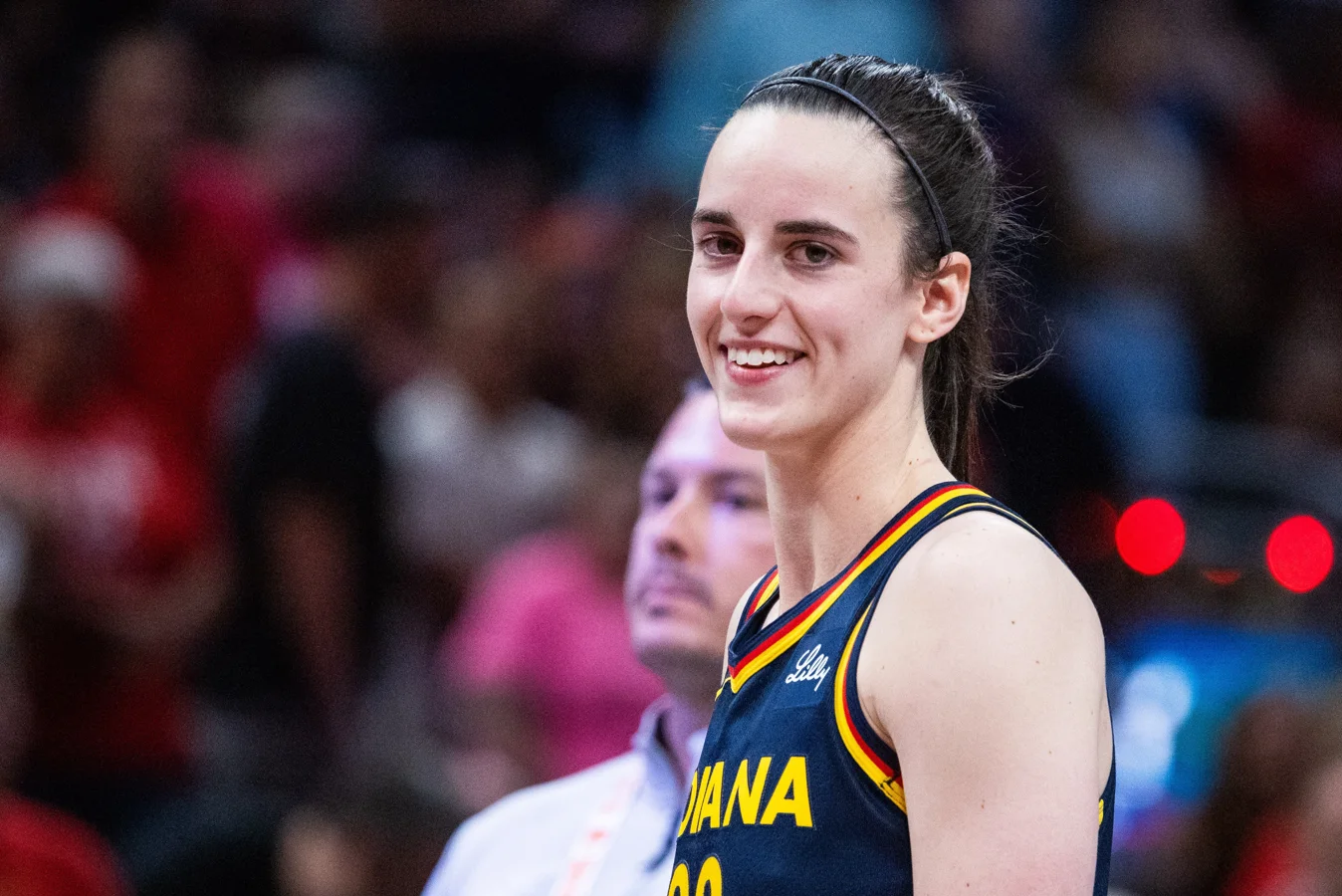

Caitlin Clark’s ongoing injury issues have emerged as a major concern for the WNBA this season, raising urgent questions about how the league’s scheduling might be affecting its star players. Since suffering her third soft tissue injury in less than three months, Clark has missed 15 games, prompting widespread worry about her health and the broader impact on the league’s visibility and competitiveness.
The Indiana Fever standout had no significant injury history before this season, with her last setback occurring in high school. The repeated absences have fueled criticism directed at Fever head coach Stephanie White and the team‘s management, particularly regarding how Clark’s recovery is being handled. Fans and analysts alike are increasingly questioning whether the WNBA’s busy calendar may be contributing to these issues.
Voices from Within the Basketball Community Highlight Deep-Rooted Issues
Erica Ayala, a CBS Sports analyst, noted how Clark’s recurrent absences have sparked broader discussions in the league:
“For better or worse, anytime Caitlin Clark is involved in things, there’s always larger conversations that come. And I think again, Clark being out multiple times this season has led people to wonder, what’s kind of going on here,”
she said on the We Need To Talk Podcast.
“Does it have to do with scheduling? Does it have to do with something that we’ve talked about before with Terrika Foster-Brasby with regard to expanding the roster size comparatively to expanding teams?”
The growing chatter suggests that scheduling and roster management may be critical factors contributing to player injuries.
Clark’s struggles are not isolated. Other high-profile players such as Breanna Stewart, Kayla Thornton, Rhyne Howard, Paige Bueckers, and Tyasha Harris have each faced serious injuries that have sidelined them for extended periods. Stewart’s ongoing absence is especially notable, lacking a clear return date, while Thornton has missed what was shaping up to be a career-best season. Although it is impossible to directly link these injuries to the schedule, the correlation appears troubling to many.
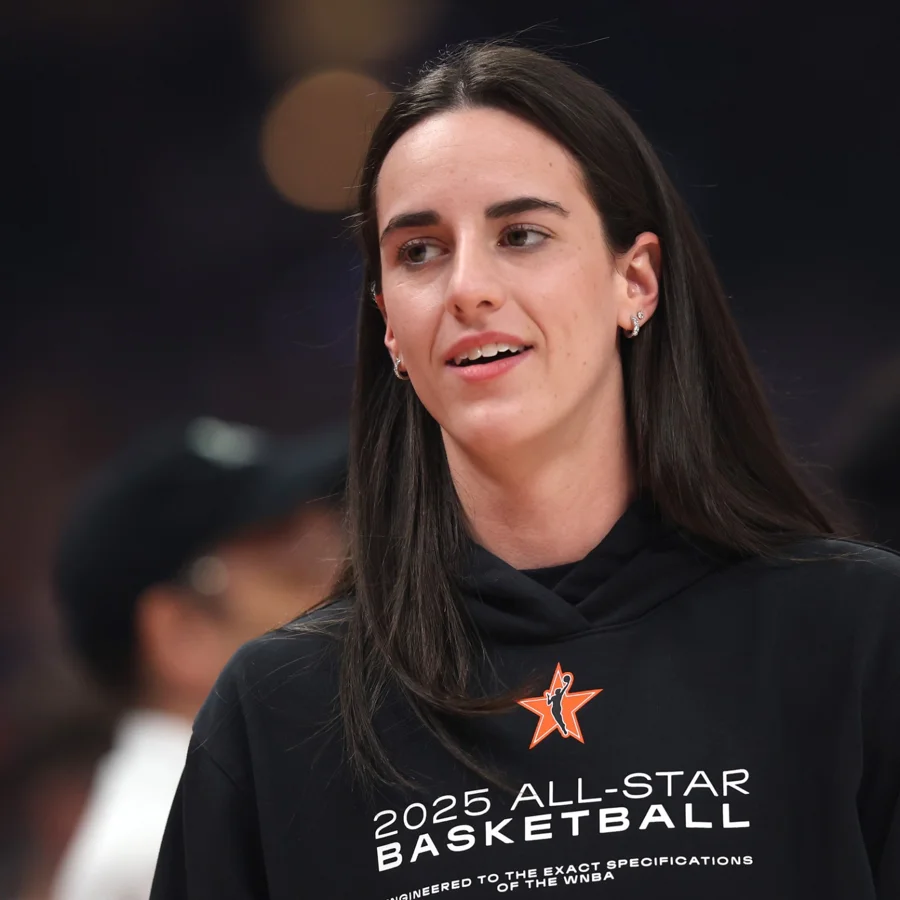
Player and Expert Opinions on the WNBA’s Strained Calendar
Satou Sabally expressed frustration with the demanding game schedule, emphasizing the toll it takes on player health.
“For us as players, recovery is so important. We put our bodies on the line every single time. We had nine games in 18 days. That’s not really responsible for a commissioner,”
she remarked, spotlighting how condensed the season has become. Hall of Famer Lisa Leslie has echoed similar concerns, explaining that injuries such as Clark’s require sufficient time for rest and rehab—something the current calendar offers very little of.
Additionally, league expansion plans appear to be exacerbating the problem. While the WNBA is adding more games, it has not increased roster spots adequately to allow players more rest or alleviate the burden of extended court time. Alicia Jay brought in data to demonstrate the severity of the scheduling crunch:
“The average number of days between games is just 2.7, right? So, you mentioned that they added games to this season. Just to give you perspective, in 2021, the average number of days of in between were 4.”
This nearly 50% reduction in rest days between games signals a stark change in the league’s demands on players.
Statistical Growth and Its Hidden Costs on Player Welfare
Since 2019, the WNBA has increased the total number of games by 29%, but the overall length of the season has only grown by 10 days—from 108 days in 2019 to 118 days in 2025. This means players are squeezed into a tighter schedule, forcing more frequent contests with limited downtime. While the drive to expand and elevate the league’s profile is understandable, the cost appears to be mounting injuries and increased player absences, raising alarms about long-term sustainability.
Indiana Fever’s Resilience Without Caitlin Clark
Despite Clark’s absence, the Indiana Fever have managed to maintain momentum, claiming four consecutive victories and reaching a positive record of 8-7. This marks their best winning streak and first time in over eight years sitting four games above .500. Head coach Stephanie White described the team’s mindset bluntly:
“I didn’t feel like we played particularly well tonight… but being able to rely on multiple players getting stops when needed, making adjustments and continuing to grow — I mean, this is a group that’s been resilient all season long,”
capturing the spirit that has kept the Fever competitive under challenging circumstances.
Although the team has adapted to playing without their star, analysts still believe the Fever’s championship aspirations hinge on Clark’s return. ESPN commentators emphasize that with her on the court, Indiana could realistically contend for a title. Until then, the team is focused on proving it can mount a deep playoff run despite their injury challenges.
The Broader Implications for the WNBA’s Future
Caitlin Clark’s injury serves as a critical warning signal for the WNBA about the consequences of its current scheduling and growth approach. Amidst league efforts to expand and attract larger audiences, the physical well-being of players must remain a priority to avoid undermining the sport’s rising popularity and competitive integrity. The mounting injuries to top talents reflect the strain caused by compressed schedules and inadequate roster expansions.
The next steps for the WNBA potentially involve reexamining the game calendar to create more recovery time, expanding rosters to ease players’ workloads, and monitoring how these changes impact player health over the coming seasons. Fans, analysts, and players alike will be watching closely to see whether the league can balance growth ambitions with protecting its most valuable assets—its athletes.