
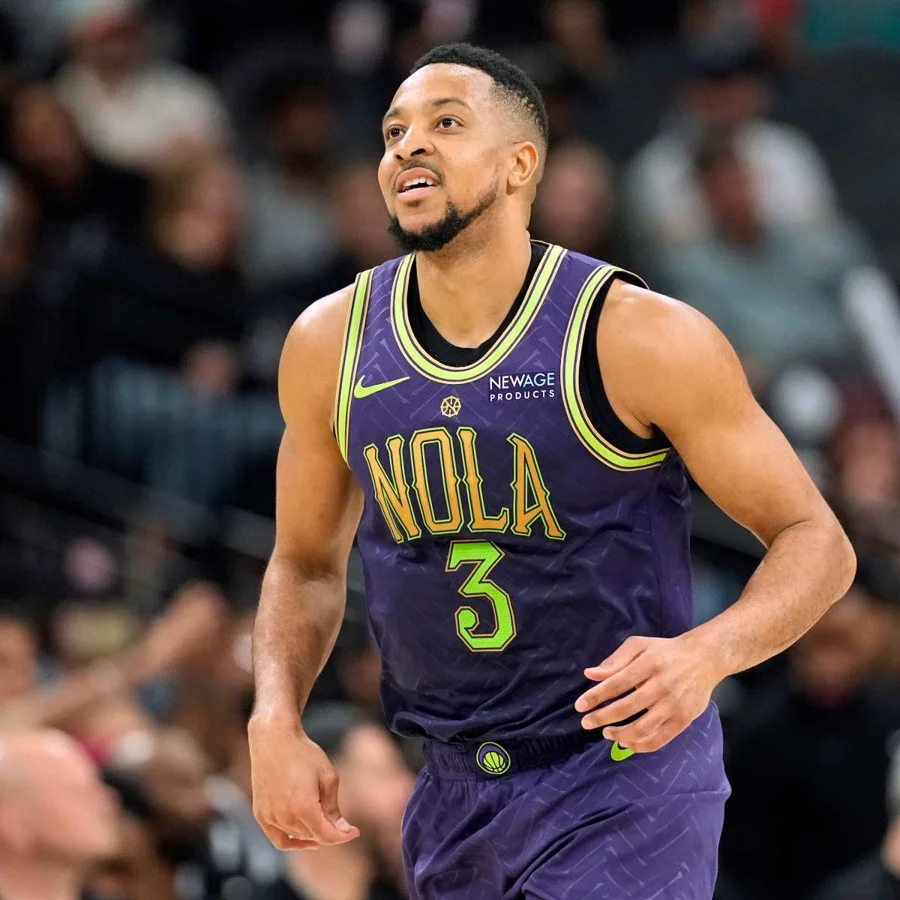

The CJ McCollum trade to Heat marks a significant four-team NBA deal that reshapes rosters across the league. This move, involving Miami, Phoenix, Golden State, and Washington, centers on veteran McCollum heading to Miami, while Jonathan Kuminga moves to Phoenix via a sign-and-trade, creating a ripple of strategic adjustments among all franchises.
Miami Heat Acquire Veteran Scorer to Bolster Playoff Hopes
The Miami Heat aim to strengthen their playoff chances by adding CJ McCollum, a seasoned scorer with experience in postseason roles. After an early exit from the playoffs following a sweep by Cleveland, Miami identified the need for reliable bench production and perimeter shooting. McCollum’s arrival offers immediate offensive stability and veteran savvy without compromising the team’s salary cap flexibility.
Despite commanding a salary north of $30 million this season, McCollum’s expiring contract fits Miami’s strategy to buy time while maintaining a competitive roster. His ability to hit three-pointers and contribute as a combo guard complements Miami’s core, helping address gaps exposed during previous playoff performances. This move provides a clear signal that Miami is focused on sustained competitiveness rather than rebuilding.
Phoenix Suns Target Jonathan Kuminga as Next Franchise Cornerstone
The Phoenix Suns are betting on Jonathan Kuminga to solidify their wing rotation moving forward. After Kuminga rejected Golden State’s two-year, $45 million offer seeking long-term security, the Suns emerged as frontrunners with a $90 million sign-and-trade proposal. This deal leverages assets like Grayson Allen, Nick Richards, and several second-round picks, allowing Phoenix to integrate Kuminga and plan for a future anchored by youthful talent.

This approach is a deliberate effort by Phoenix to avoid costly contracts that previously hampered flexibility, as seen in the Bradley Beal acquisition. If Kuminga prospers, he has the potential to become a key cultural and on-court leader, developing alongside Devin Booker. Conversely, if he fails to meet expectations, the Suns will still retain draft capital sufficient to revisit their core construction in the coming years.
Golden State Warriors Acquire Role Players to Reinforce Depth
Golden State’s involvement in this four-team trade reflects a pragmatic decision to enhance their roster depth without sacrificing draft assets. While initially hesitant to part with Kuminga, the Warriors agreed to receive Grayson Allen, Haywood Highsmith, and Nick Richards, all of whom provide shooting, defense, and size in backup roles. Each player carries manageable contracts, which preserve Golden State’s financial flexibility for future moves.
This trade helps the Warriors sustain competitiveness around the core of Stephen Curry, Draymond Green, and Klay Thompson as they navigate the later stages of their championship window. By focusing on filling rotational needs with versatile role players, Golden State balances short-term readiness with long-term planning, keeping draft capital intact for potential marquee acquisitions or further strategic transactions.
Washington Wizards Receive Multiple Role Players and Draft Assets
For the Washington Wizards, this transaction aligns with a broader strategy of financial prudence and future asset accumulation. Trading CJ McCollum to Miami allows Washington to shed a significant salary and regain flexibility as they look toward a rebuild. In return, the Wizards add Terry Rozier, Buddy Hield, and four second-round picks, blending salary matching with valuable draft capital.
Rozier, earning over $26 million next season, provides short-term scoring and playmaking, while Hield offers shooting depth on a mid-level contract. These players can be leveraged in future trades or retained to stabilize the roster temporarily. Most importantly, the four second-round picks give Washington long-term draft flexibility, enabling them to maneuver through upcoming seasons with greater financial and personnel freedom.
Trade Breakdown: Key Details of the Four-Team Exchange
This multi-faceted deal sees the Miami Heat gaining veteran scoring through CJ McCollum, who fits their playoff rotation needs. The Phoenix Suns acquire Jonathan Kuminga in a high-value sign-and-trade designed to develop young talent on a sustainable contract. Golden State bolsters their bench strength by bringing in Grayson Allen, Haywood Highsmith, and Nick Richards, all capable of contributing immediately without long-term salary commitments. Meanwhile, the Washington Wizards load up on role players Terry Rozier and Buddy Hield and receive four second-round picks to support their rebuilding plans.
- Miami Heat Receive: CJ McCollum
- Phoenix Suns Receive: Jonathan Kuminga (via Sign-and-Trade)
- Golden State Warriors Receive: Grayson Allen, Haywood Highsmith, Nick Richards
- Washington Wizards Receive: Terry Rozier, Buddy Hield, four second-round draft picks
Implications and Outlook for Each Team Involved
The addition of CJ McCollum gives Miami a dependable offensive presence able to handle playoff pressure, addressing key shortcomings revealed in prior postseason exits. This move highlights the Heat’s commitment to remain relevant without resorting to costly, long-term deals.
For Phoenix, securing Kuminga signals a shift toward building around young, high-upside talent. His performance in the upcoming seasons could define the Suns’ trajectory, providing a vital piece to their restructured core after previous star acquisitions did not yield expected results.
Golden State’s trade is a clear example of balancing present competitiveness with future flexibility. While parting ways with a promising player like Kuminga might disappoint some fans, the acquisition of versatile support players and retention of draft assets reflect a measured approach to transition while maintaining a championship window.
Washington’s strategic shedding of expensive contracts alongside the intake of draft picks positions them well for a possible mid-term rebuild. With payroll flexibility and tradable assets, the Wizards aim to create a foundation for sustainable growth over the next few years.
Overall, this four-team trade underscores how NBA franchises are increasingly leveraging complex deals to manage salary cap realities, personnel needs, and long-term competitiveness in a tightly contested league environment.