
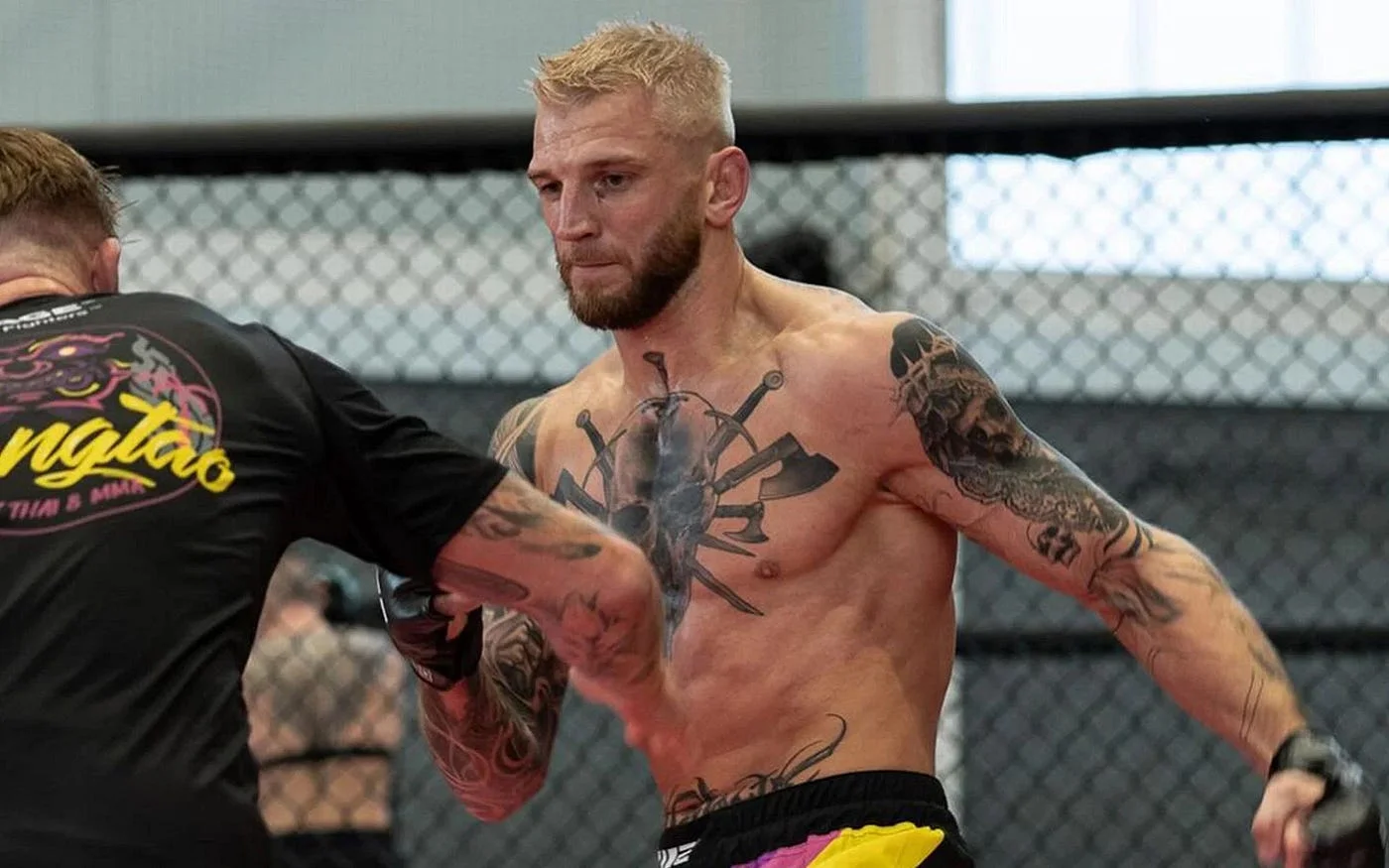

Dan Hooker, former UFC fighter known as ‘The Hangman,’ is escalating his controversial approach to combat sports by organizing a 32-man fighting tournament exclusively for convicts. Scheduled to take place in Christchurch, New Zealand, the event called One Minute Scraps promises to deliver intense, no-holds-barred action with a $50,000 prize for the winner. Hooker positions this event as a platform for marginalized fighters, aiming to challenge societal norms by creating a brutal contest limited to those who have experienced incarceration.
Hooker explained the concept with stark honesty on social media, emphasizing,
This one’s for the lads; the system failed,
—Dan Hooker, UFC Veteran. The tournament enforces a 100-kilogram weight limit and will be livestreamed, appealing directly to fans craving raw, unfiltered street fights. Sponsored by Doctor Social, the event follows Hooker’s previous backyard tournament, which attracted widespread public and official criticism for its unregulated and violent nature.
Background on Controversy from Prior Backyard Fights
Hooker’s new event builds upon the momentum of his earlier May tournament, King of the Streets, an underground fight held outdoors with mismatched opponents and little formal oversight. That tournament drew sharp backlash from boxing regulators, police, and legal analysts due to concerns over safety, unregulated gambling, and lack of weight classes. Although judges and medics were present, critics labeled the fight series reckless and irresponsible.
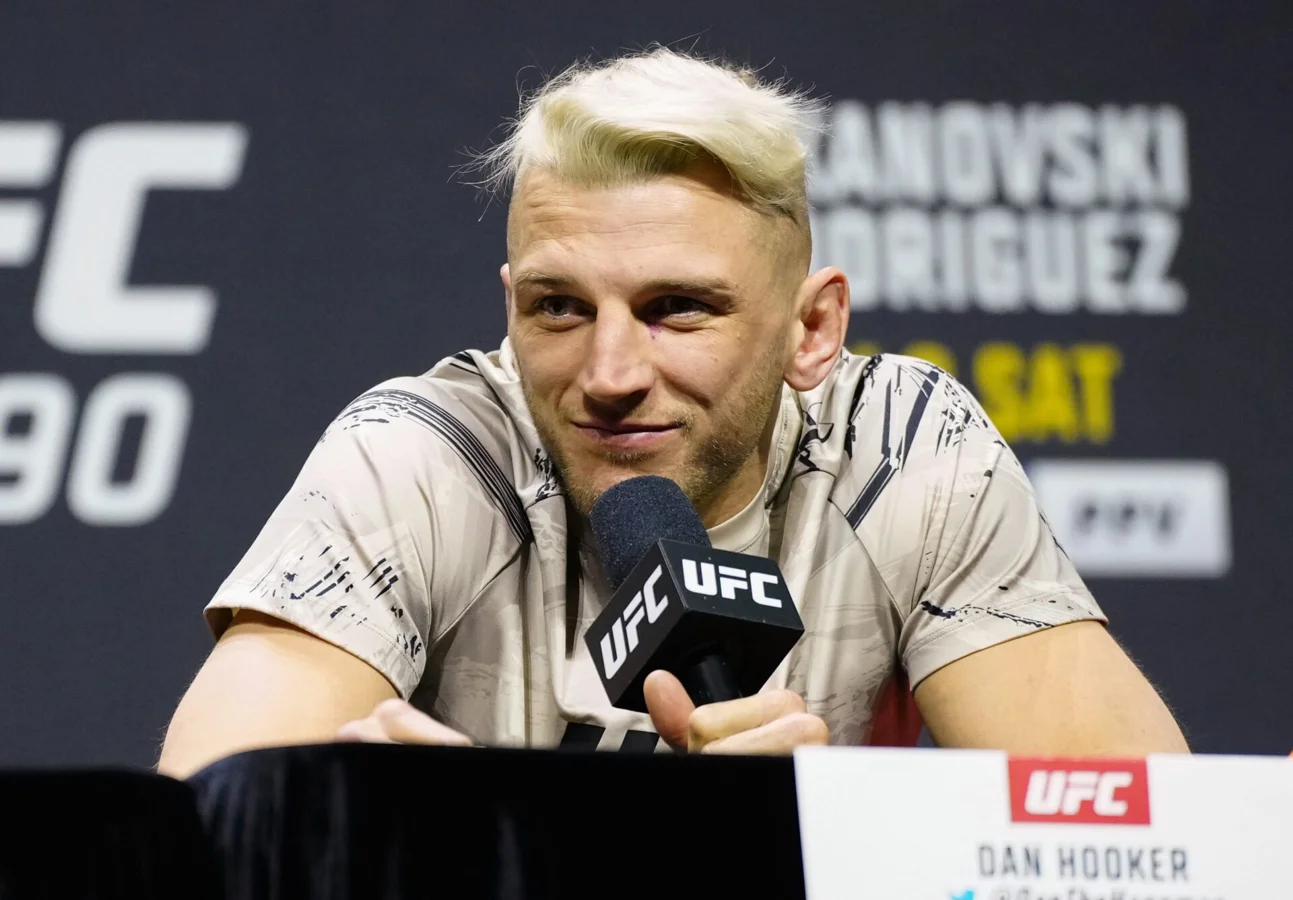
Hooker dismisses the criticism as excessive, questioning why two consenting adults fighting should be treated as criminals. His latest move to restrict participation to convicted individuals and boldly declare the event
for the lads the system failed,
—Dan Hooker, UFC Veteran— intensifies the controversy, signaling a defiance toward established institutions and legal frameworks surrounding combat sports.
Hooker’s Conflict Extends to UFC over Ticket Cancellation
Beyond the underground fights, Hooker’s disputes have spilled over into his relationship with the UFC. While attending UFC 317 in Las Vegas to support teammate Kai Kara-France, Hooker faced abrupt ticket cancellations after missing a promotional event due to time zone conflicts with New Zealand. This episode added tension between Hooker and the organization he formerly represented.
In a candid interview with Submission Radio, Hooker expressed his frustration:
I would’ve fought [in Perth], injured,
—Dan Hooker, UFC Veteran— referring to a potential main event against Arman Tsarukyan. He lamented the decision by UFC officials to remove him from the fight roster, saying,
But someone at a desk crossed my name off a list.
—Dan Hooker, UFC Veteran. He highlighted the lack of respect for fighters who dedicate their lives to the sport:
You’d think there would be more respect there for guys who give their life.
—Dan Hooker, UFC Veteran.
Hooker’s response is clear and firm:
We can fight on my terms then,
—Dan Hooker, UFC Veteran— signaling his rejection of institutional control and his willingness to conduct fights outside traditional organizations, whether in underground scrambles or sanctioned events.
Ongoing Debate Over Legitimacy and Impact of Hooker’s Events
Dan Hooker’s convict-only fight and his open conflict with formal bodies raise questions about the future of unregulated combat sports in New Zealand and globally. By livestreaming these brutal fights, he not only pushes the boundaries legally but also challenges public opinion about who deserves a platform in the fighting world. His tournaments blur the lines between rebellion, spectacle, and redemption for fighters often overlooked by mainstream promotions.
As Hooker positions himself against athletic commissions and UFC executives, his events may continue to provoke heated discussions about safety, legality, and ethics in combat sports. Whether he is seen as a champion for the marginalized or merely a provocateur depends on how authorities, fans, and fighters respond to this raw display of street-level fighting elevated to a wider audience.