
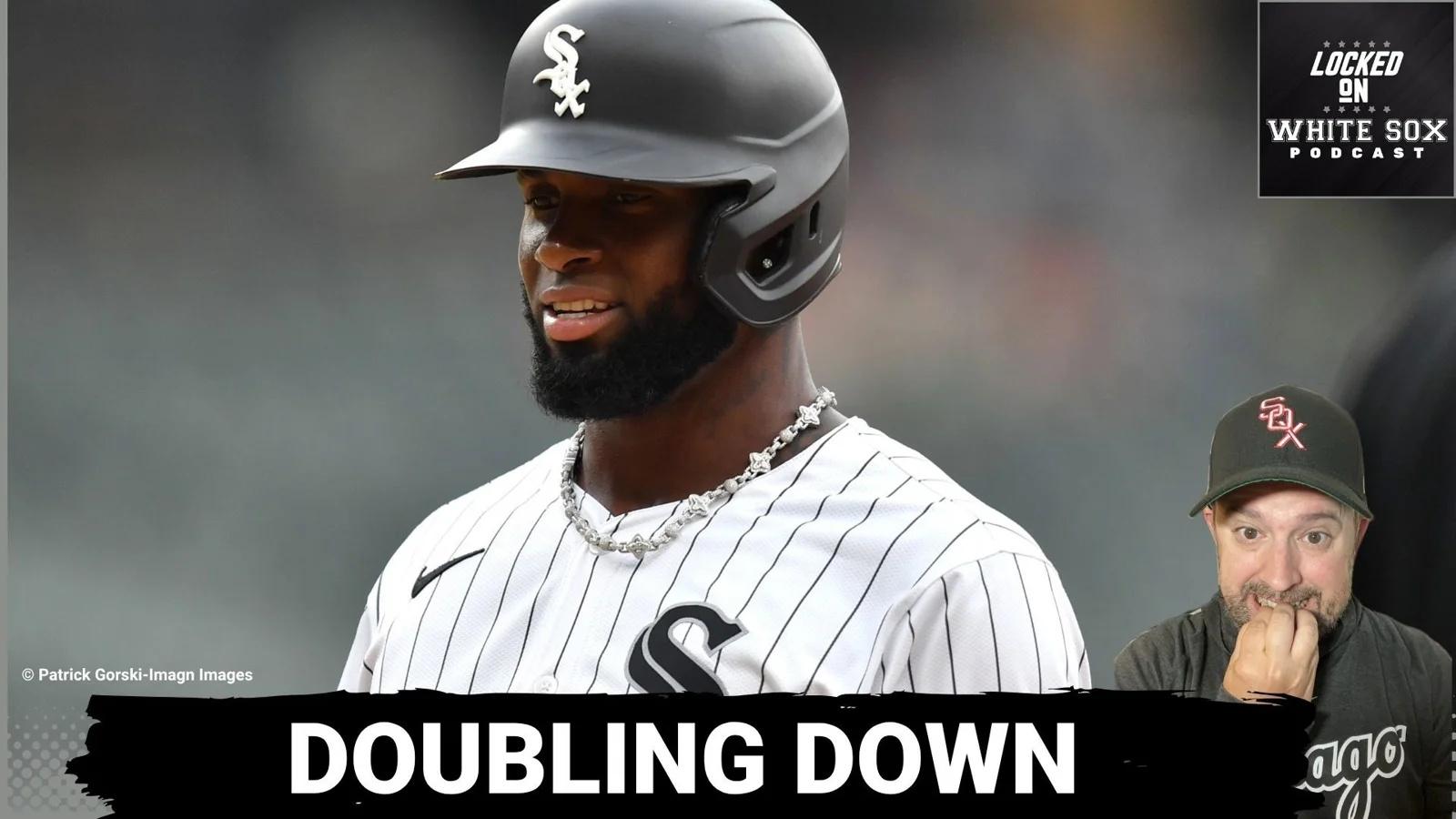

Following the MLB trade deadline on August 2, 2025, reports have emerged that the Chicago White Sox attempted to include centerfielder Luis Robert Jr. in trade discussions with the Philadelphia Phillies. However, the Phillies decisively rejected the proposal, primarily due to concerns about Robert’s recurring injuries. This refusal highlights the ongoing hesitation from teams regarding Robert despite his evident talent.
Luis Robert Jr. has shown his exceptional capabilities in the past, notably during the 2023 season when he achieved 38 home runs and 20 stolen bases, earning the Silver Slugger Award. He also won the AL Gold Glove in 2020. Despite these accolades, his frequent absences from the lineup have made teams wary of committing to him long-term.
Trade Interest Hampered by Robert’s Injuries and Limited Playing Time
MLB insider Bob Nightengale, speaking on the aftermath of the trade deadline on Foul Territory, revealed the extent of the White Sox’s efforts to trade Robert but emphasized the Phillies’ lack of interest.
“They (White Sox) were begging the Philadelphia Phillies to trade him, and the Phillies had no interest, I mean everybody see the same thing, the guy rarely plays, I don’t care how much talent you have,”
Nightengale said.
This sentiment was echoed in social media reports highlighting that the Phillies’ decision was largely influenced by Robert’s persistent injury issues. The centerfielder had been sidelined since late June due to a left hamstring strain, placing him on the 10-day injured list. By the end of July, Robert’s stats stood at a .213 batting average, with 11 home runs, 43 RBIs, and 27 stolen bases through 88 games, alongside a .300 on-base percentage and .353 slugging percentage. These numbers, while respectable, reflect a player struggling to maintain consistency due to health setbacks.

White Sox Management Sets High Standards for Any Potential Trade Offers
Despite wanting to move Robert, the White Sox were unwilling to accept offers they deemed insufficient relative to his talent. General Manager Chris Getz clarified the team’s stance when discussing reported trade talks:
“an effort to acquire him, but certainly it wasn’t to the level we felt like could have met the mark for us to make a move on from a talent like Luis Robert.”
Robert is still under contract with Chicago, having signed a six-year, $50 million deal in January 2020 that includes club options worth $20 million for both 2026 and 2027, each accompanied by a $2 million buyout. As MLB insider Mark Feinsand noted,
“Although the White Sox have spoken with a number of teams about Luis Robert Jr., sources say it’s more likely he stays with Chicago through the Trade Deadline. The White Sox would likely pick up his $20M option for 2026 and hope for more of what they’ve seen over the past month.”
The 2023 flashes of excellence remain in Robert’s performance, and the White Sox appear hopeful that his health and production can rebound, justifying their decision to hold onto him for now. Whether the Phillies’ refusal was a missed opportunity will depend on how Robert performs moving forward.
White Sox Opt to Retain Robert While Acquiring Young Talent in Another Deal
Instead of accepting a lesser return for Robert, the White Sox actively sought to bolster their farm system in a separate transaction before the deadline, trading pitcher Adrian Houser to the Tampa Bay Rays for three promising young players, all under 26. The group included infielder Curtis Mead and two right-handed pitchers, Duncan Davitt and Ben Peoples.
Curtis Mead, a 24-year-old Australian prospect now added to the 40-man roster, has performed well in Triple-A with a .290 batting average, .369 on-base percentage, .497 slugging percentage, and 29 home runs. Duncan Davitt, currently in Double-A, has posted a 3.55 ERA and a 1.07 WHIP, while Ben Peoples has contributed a 2.65 ERA out of the Charlotte bullpen. Both pitchers offer flexibility for rotation or relief roles in the future.
Chris Getz expressed enthusiasm about the trade’s outcome:
“To be able to get three players for a pitcher we’ve only had for 12 starts, we feel we really good about it and excited to inject this type of talent into our system.”
The move provides the White Sox with renewed depth and options as they plan ahead.
Evaluating the Impact of the Phillies’ Decision and White Sox Strategy
The Phillies’ rejection of the Luis Robert Jr. trade offer underscores the significant influence injury concerns hold over team decisions, even when dealing with players of high potential. While Robert’s past performances show his capability as a strong offensive and defensive presence, his availability remains a key question mark. The White Sox’s cautious approach to trading Robert demonstrates a balancing act between leveraging his talent and protecting long-term value.
With the White Sox choosing to hold onto Robert and add young prospects through other trades, their direction seems geared toward a combination of seasoned talent and future development. Meanwhile, the Phillies’ choice to pass on acquiring Robert leaves room for debate about the risks and rewards they weighed. As the season progresses, Robert’s health and production will be critical in justifying either side’s decision.