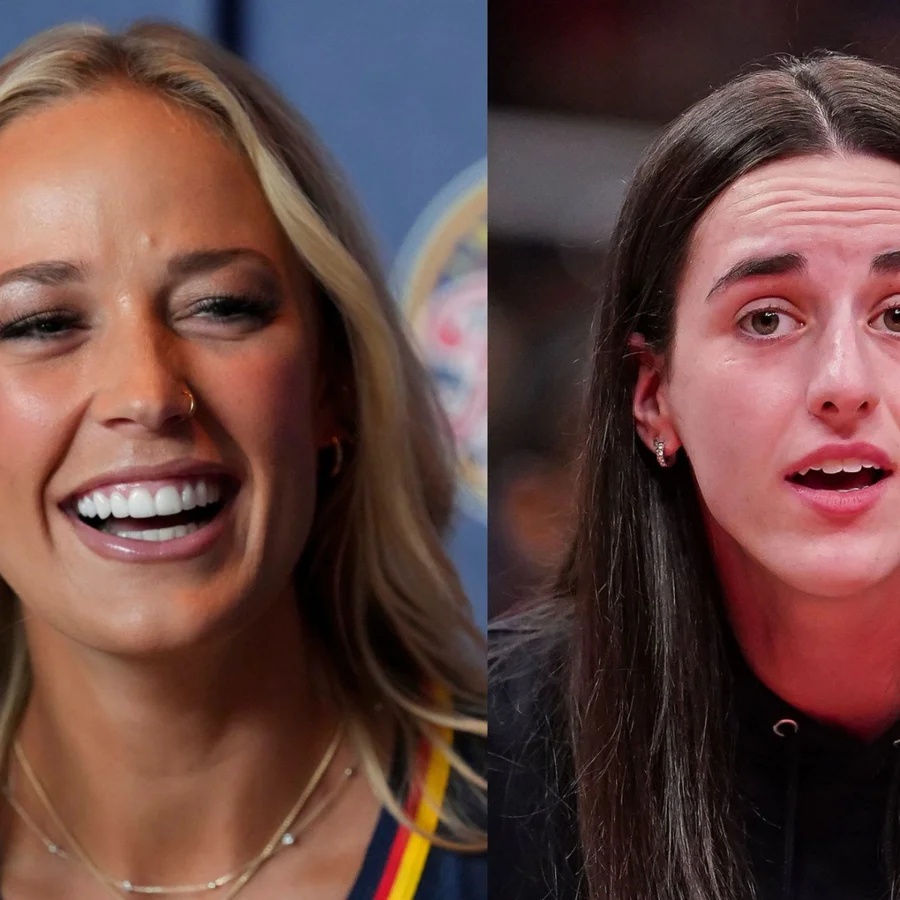
Sophie Cunningham defends Caitlin Clark passionately during a tense Indiana Fever game, showcasing her steadfast loyalty and teamwork.
In the midst of ongoing challenges facing the WNBA, including inappropriate objects being thrown onto courts, another heated discussion has emerged involving passionate fans of Caitlin Clark. This time, the issue stems from a meme poking fun at Clark’s playful antics, which led to a defensive reaction by Sophie Cunningham, who quickly addressed the backlash. Cunningham defends Caitlin Clark amid the uproar caused by what many describe as an “annoying” joke.
Sophie Cunningham’s Role and Loyal Support for Caitlin Clark
Known widely as an Indiana Fever cornerstone, Cunningham was brought in specifically to complement Clark’s game by acting as her enforcer. Her performance on the court has been strong, earning respect from opposing teams such as the Connecticut Sun. Off the court, the 28-year-old analyst and podcaster openly supports Clark, whom she refers to affectionately along with teammate Lexie Hull and Clark as the franchise’s “Tres Leches.” Cunningham’s unwavering defense of the Iowa Hawkeyes star often places her at the center of WNBA Twitter debates.
Fan Reactions Highlight the Intensity of the Debate
When Cunningham responded to a meme mocking Clark’s prankster nature, her reply sparked outrage among some of Clark’s most devoted followers. Many fans took exception to what they saw as Cunningham’s tone, arguing that her prominence in the league was tied to Clark’s success. One vocal critic stated,
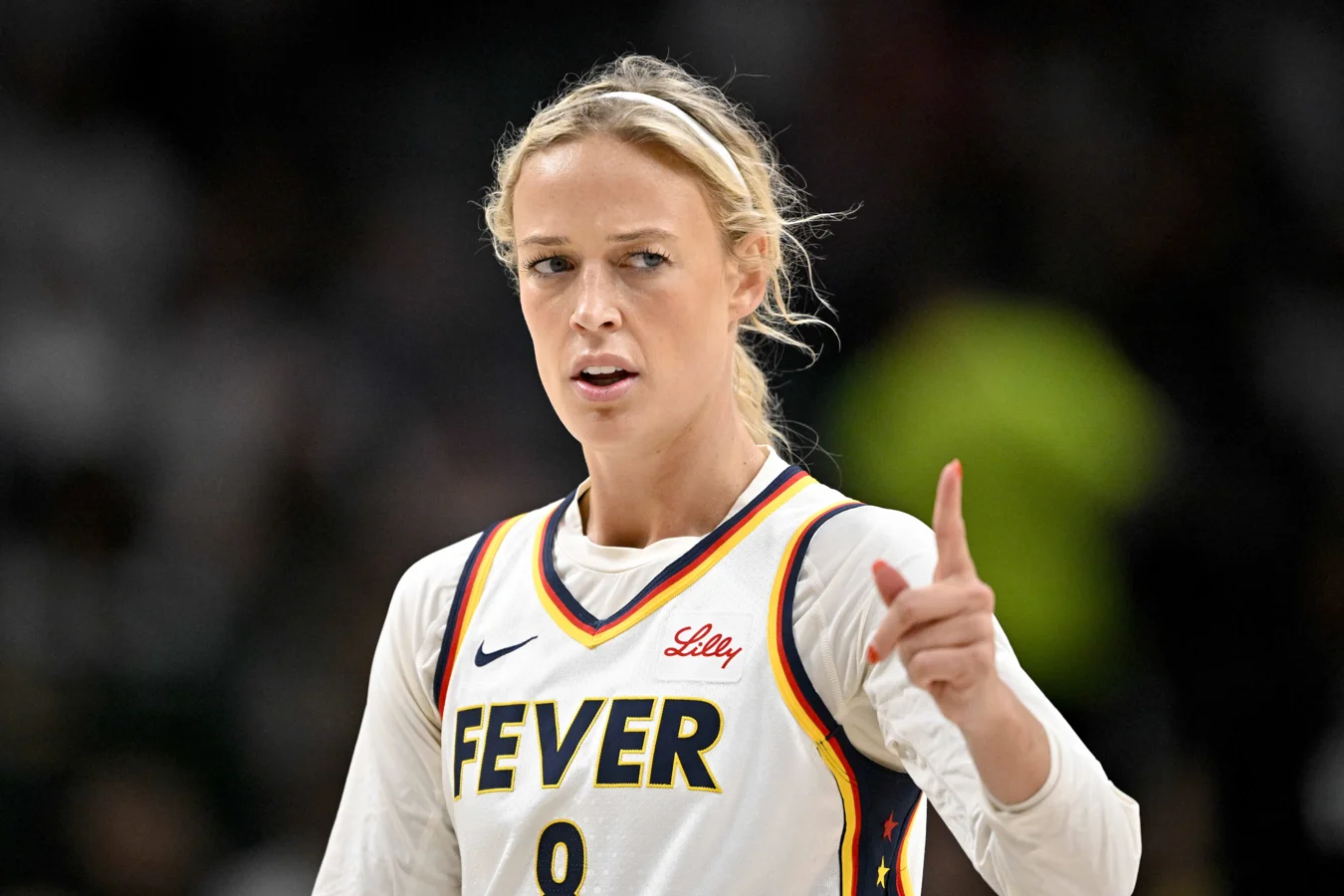
Image of: Sophie Cunningham
“Let’s not forget, we fans support Caitlin Clark @CaitlinClark22, and if it wasn’t for her, honestly your recognition would be minimal… Not a good look @sophaller one bit, just saying!!!”
However, a quieter group of supporters recognized the exchange was meant in jest but was drowned out by those reacting aggressively.
Ongoing Toxicity Surrounding Player Interactions
The escalating negativity across social media platforms, particularly within WNBA circles, has become a source of concern. The back-and-forth teasing between Cunningham and Clark is part of a longstanding playful rivalry, which recently included Clark joking about Cunningham’s hairstyle. Yet, such lighthearted exchanges are often met with unwarranted hostility from fans, intensifying an already toxic atmosphere.
Minnesota Lynx Star Napheesa Collier Addresses Growing Hatred in the League
Napheesa Collier, the Minnesota Lynx’s leading player and favorite to win this year’s WNBA MVP, has publicly acknowledged the rising negativity directed at players throughout the league. Addressing the issue, the former UConn standout remarked,
“It is getting so toxic in our league,”
adding,
“Just hatred out there towards other players, not just Angel and Caitlin. I feel like we are trending in a bad spot with that.”
Collier’s comments underscore that the problem extends beyond the controversies involving Clark and Angel Reese, signaling a broader concern within professional women’s basketball.
Calls for Calm Among Players and Fans Alike
The heated reactions serve as a reminder that both players and fans need to temper their responses. Sports should remain an enjoyable outlet and a source of entertainment, with room for jokes and friendly teasing. Cunningham and Clark’s ongoing exchanges highlight this dynamic and demonstrate the camaraderie beneath the surface, which is often lost amidst the hostile commentary.
The Wider Context of WNBA Fandom and Player Camaraderie
Despite the intensity of some fan debates, manyplayers share strong friendships and mutual respect. The league’s culture features new friendships such as Paige Bueckers and Angel Reese’s popular locker room dance videos, showcasing the positive side of player relationships aside from the on-court rivalries. Meanwhile, public figures including analysts and former players continue drawing attention to the need for positivity and support across the league.
Looking Ahead: The Impact on WNBA’s Reputation
The backlash over a simple joke hints at a deeper challenge the WNBA faces in balancing passionate fandom with sportsmanship. Given Cunningham’s role in defending Caitlin Clark and speaking out against the toxic environment, her stance may encourage fans to focus less on negativity and more on celebrating the talents of stars like Clark, Reese, and Collier. As the league grows, fostering a respectful fan culture will be crucial to sustaining its popularity and attracting new audiences.