
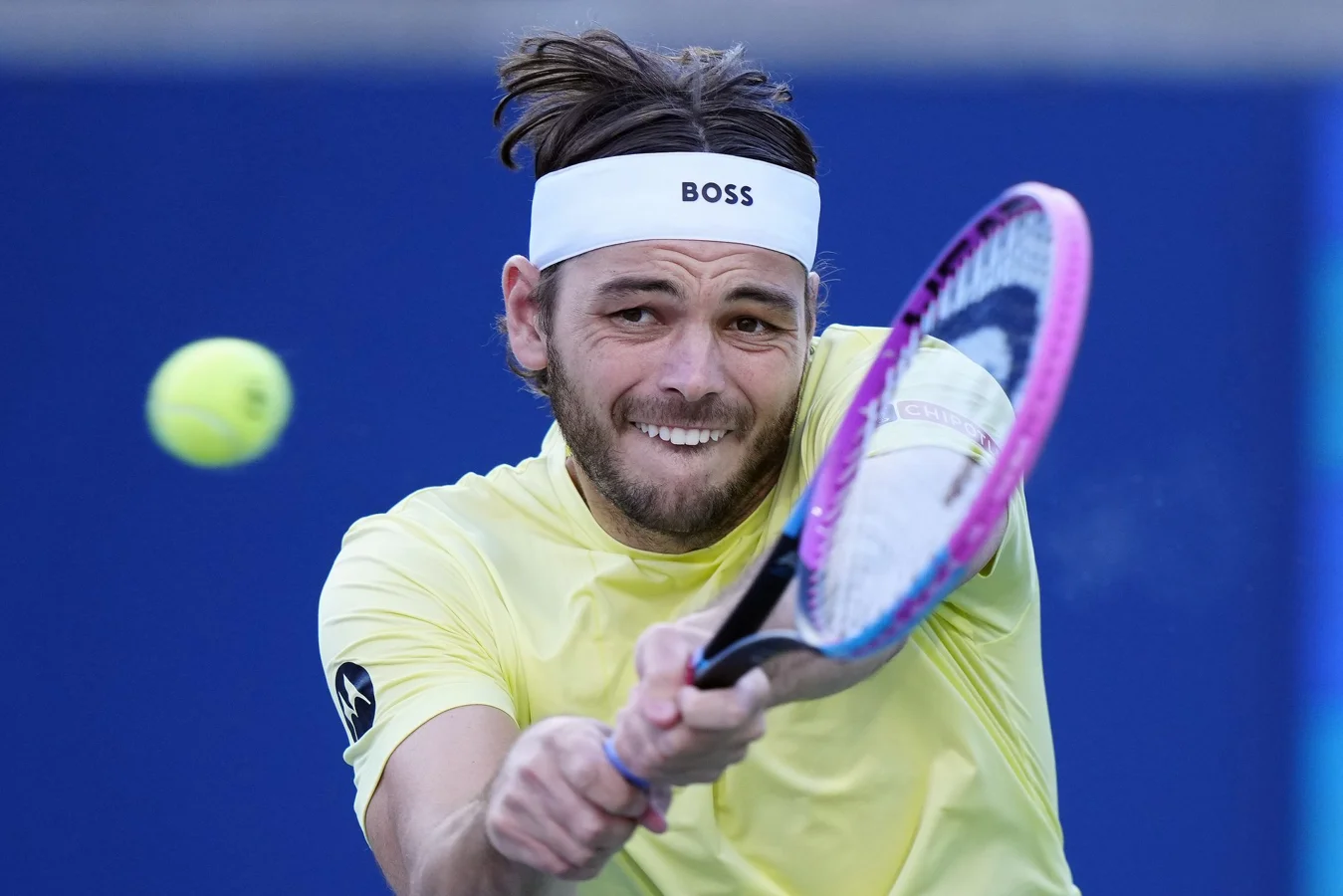

Tennis star Taylor Fritz has openly criticized the ATP Tour’s demanding schedule, raising concerns about player burnout during the 2025 season. With the grueling calendar extending almost year-round and requiring players to meet new participation rules, Fritz joined other leading athletes in voicing frustrations over limited rest and an increasingly taxing competitive environment.
Players Struggle With Lengthy Competition and Minimal Breaks
The 2025 tennis season has intensified debates around the ATP’s packed schedule, especially after several top players, including Carlos Alcaraz, Jannik Sinner, and Novak Djokovic, withdrew from the Canadian Open before it even began. The ATP calendar now spans nearly eleven months, leaving barely a month off between seasons, which players say impacts their performance and enthusiasm for the sport. Alcaraz himself acknowledged the mental drain, stating,
“If you play every day and you don’t have a break for yourself, to disconnect, that excitement kind of fades,”
—Carlos Alcaraz, Tennis Star.
Taylor Fritz, present at the Canadian Open, echoed this sentiment, pointing to the demanding schedule that players grumble about behind closed doors. The extended Masters 1000 tournament format has played a significant role in this issue. While previously only Indian Wells and Miami spanned more than a week, now seven of the nine Masters 1000 events last between 10 to 12 days, with only Monte Carlo and Paris Indoors maintaining the traditional one-week length. Fritz described the demanding nature of this shift, noting the difficulty of playing multiple matches consecutively without adequate rest.
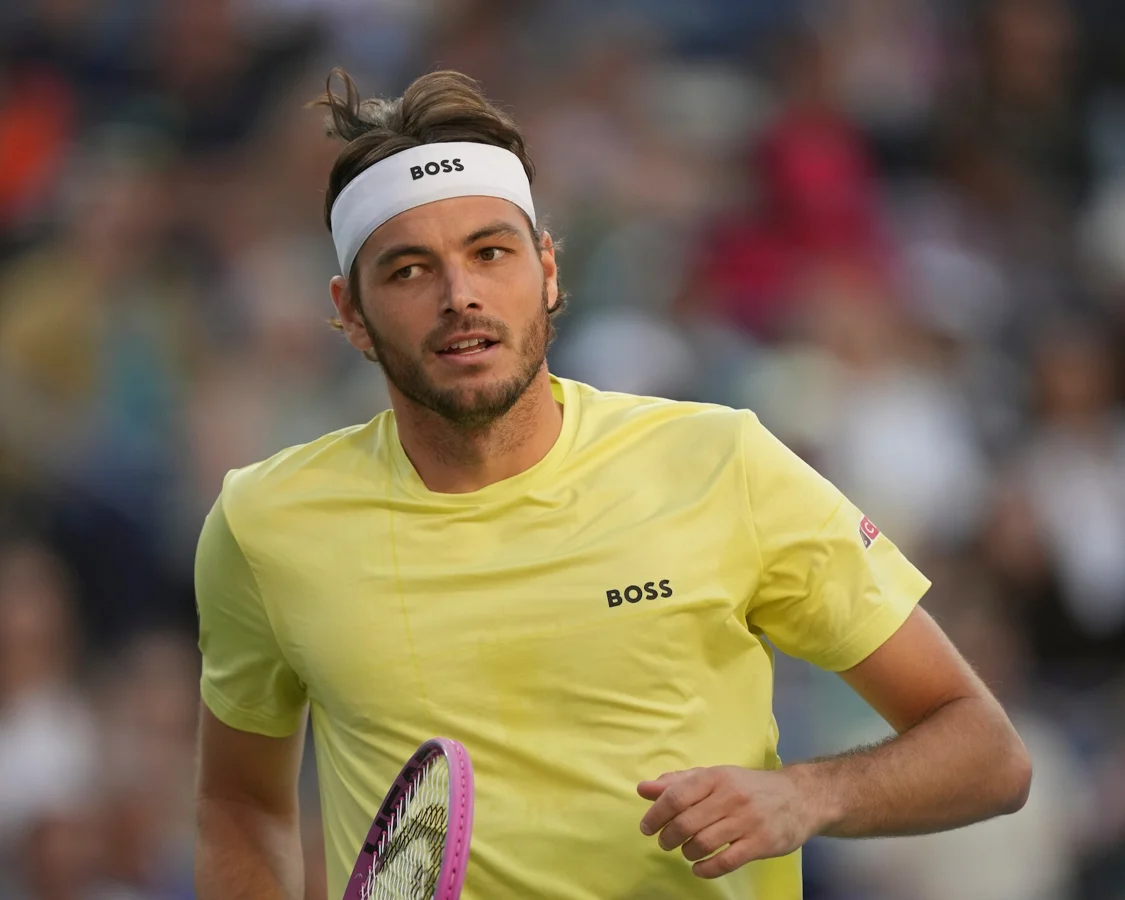
According to statements reported by Puntodebreak, Fritz highlighted the balance of the format changes:
“There are pros and cons. What I like the most is that there is a day of rest between each game. It is true that in Grand Slams we play five sets and it is necessary, but I think that here playing six games in six or seven days would be excessive. At the same time, it adds weeks of competition. In my opinion, if we played Masters 1000 of a week, we should not add other tournaments, but increase the weeks available for the preseason.”
—Taylor Fritz, Professional Tennis Player.
Concerns Over ATP’s New Participation Rule among Top Players
Adding to players‘ difficulties, the ATP introduced a rule in 2025 requiring all top-30 athletes to participate in at least five ATP 500 events across three separate periods in the calendar year. Monte Carlo, although a Masters 1000 event, is counted toward this ATP 500 requirement. This rule has left players, including Fritz, in a tough position when managing their schedules, particularly during the busy North American summer hard-court swing.
Fritz explained the challenge he faces with this rule, especially while defending points from last year’s U.S. Open. He is compelled to compete in Washington, Toronto, and Cincinnati one after another without sufficient recovery time. In a press conference, he expressed his unhappiness, saying,
“There’s a new rule that says you have to play a certain number of 500 events or they put a zero on your record,”
and
“Because I was injured earlier this year, I missed two 500s, so I had to play in Washington to meet my quota.”
—Taylor Fritz, Professional Tennis Player.
He went further to critique the policy’s impact on players’ priorities:
“I’ll be honest, I don’t think it’s the best policy,”
adding,
“A lot of guys are prioritizing the U.S. Open and don’t want to come here, play this tournament, play in Cincinnati, and be exhausted for the U.S. Open. So it’s just a matter of priorities.”
—Taylor Fritz, Professional Tennis Player.
Other Top Players Join the Call for Change
Fritz is not alone in criticizing the ATP’s scheduling choices. Alexander Zverev bluntly described the extended two-week Masters format as cutting into crucial rest and recovery time. Several players have highlighted the accumulation of matches, travel demands, and the pressure to participate in mandatory events with little opportunity to recuperate.
These viewpoints underscore growing unease within the tennis community as athletes grapple with fatigue and the risk of injury. The Canadian Open, a significant stop on the calendar, has become a focal point for these concerns, bringing the conversation about the ATP’s approach to player welfare and competitive balance into the spotlight once again.
Scheduling Challenges Cast Shadow Over Major Tournament Participation
The recent withdrawals of stars like Carlos Alcaraz, Novak Djokovic, and Jannik Sinner from major events such as the Canadian Open illustrate the toll of the demanding season. These absences not only affect the tournament’s draw but also raise questions about the long-term sustainability of current scheduling norms. Players must navigate the conflict between mandatory event participation rules and the physical and mental demands of elite tennis.
Taylor Fritz’s outspoken criticism reflects wider tensions players face, balancing the need to compete at a high level against the increasing pressures to meet ATP mandates amid nearly non-stop competition. This situation fuels broader discussions about whether calendar revisions or reforms to event formats are necessary to protect the sport’s top athletes and preserve their enthusiasm for the game.
The Road Ahead: Potential Shifts in ATP Scheduling Policies
As player voices continue to grow louder, the likelihood of ATP reconsidering its calendar and participation regulations increases. With athletes like Fritz and Zverev urging for change, there is mounting pressure on organizers to provide more rest periods, revisit the length of Masters 1000 events, and potentially ease rigid participation requirements. Adjustments could improve player health and tournament quality, benefiting fans and athletes alike.
The 2025 season has highlighted how the ATP’s current structure places immense demands on players, exacerbating exhaustion and complicating efforts to maintain peak performance. Stakeholders in tennis face a challenging balance: ensuring competitive integrity while prioritizing athlete well-being amid an intense and crowded global tennis schedule.