


The Oklahoma City Thunder combined experienced veterans and eager young talent last season, all centered around star Shai Gilgeous-Alexander. While the previous year told a different story, this season’s approach brought a new dynamic to the roster. The Thunder secured the top seed in the competitive Western Conference, but many critics remained skeptical about their potential to succeed in the playoffs.
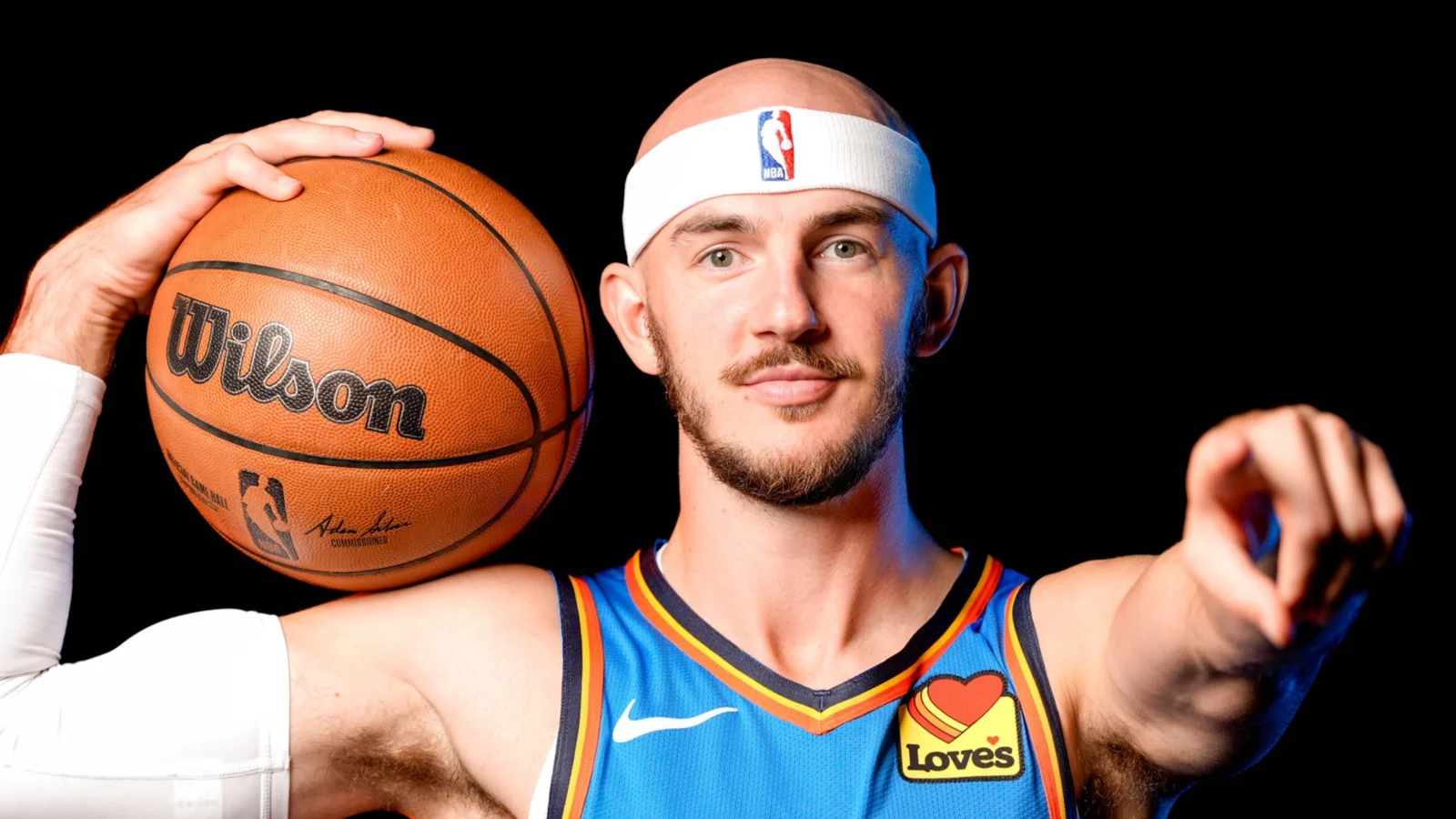
Those doubts appeared justified as the youngest team in the NBA faced challenges, signaling a need for further development and the addition of seasoned players. The arrival of Alex Caruso, an experienced guard with a championship pedigree, was a key move that boosted the team’s prospects, especially in the postseason where his impact was most visible.
The Strategic Use of Caruso Through Regular Season to Playoffs
Throughout the regular season, Oklahoma City managed Caruso’s playtime carefully, keeping his minutes moderate to conserve his energy. This cautious approach allowed the team’s promising young players to gain valuable experience without sacrificing overall performance. The Thunder continued to excel during this period, maintaining a strong record similar to when Caruso wasn’t yet part of the lineup.
When the playoffs arrived, the Thunder dramatically increased Caruso’s minutes, capitalizing on his readiness and skill to lead the team during the most demanding games. This shift enabled Caruso to make a pronounced difference on the court, helping Oklahoma City challenge opponents decisively when it counted the most.
Benefits of Preserving Caruso for Postseason Success
Maintaining a low workload for Caruso in the regular season ensures he stays fresh for the intensity of playoff basketball. This approach also allows the Thunder’s young players to develop by taking on more responsibilities and gaining confidence through regular-season play. Rising talents like Ajay Mitchell, Nikola Topic, and Ousmane Dieng are thus given the opportunity to contribute meaningfully while Caruso’s veteran presence remains a reliable postseason asset.
This usage plan takes advantage of Caruso’s proven skill set without overburdening him, creating a balanced team dynamic where everyone plays to their strengths during the course of the season.
Why Oklahoma City Should Continue Following This Blueprint
The Thunder’s strategy of easing Caruso into the lineup before unleashing him fully in critical playoff moments has proven effective in overwhelming opponents. By continuing this model, Oklahoma City can maximize both player development and competitive performance. It not only keeps key players like Caruso ready for crucial games but also nurtures the team’s promising youngsters for sustained future success.
Oklahoma City’s ability to blend emerging talent with experienced leadership under this plan could establish a lasting framework for the franchise’s growth and deepen their playoff runs in coming seasons.
“Like the 2023-24 season, the Thunder was a dominant regular season team. Not much was different, other than a few more wins and steady improvement. The pay off came during the course of the Thunder’s playoff run. And that’s when Caruso’s heavy minutes came into play.” —Ross Lovelace, Oklahoma City Thunder Analyst
“The way Oklahoma City used Caruso — slow and steady during the regular season, and a very heavy workload in the postseason — is exactly what they should do next year.” —Ross Lovelace, Oklahoma City Thunder Analyst
“This Thunder team is so talented, coasting in the regular season shouldn’t be a problem — the success was similar even without the addition of Caruso.” —Ross Lovelace, Oklahoma City Thunder Analyst
“Caruso’s will be completely fresh for heavy minutes and usage. For a team like the Thunder, this also gives youngsters a chance to play winning basketball and contribute in the regular season.” —Ross Lovelace, Oklahoma City Thunder Analyst
“The way that the Thunder used Caruso in the season’s entirety, with a clear shift felt in the postseason was the perfect recipe to overwhelm teams when it mattered most. The plan should be the same next year and beyond.” —Ross Lovelace, Oklahoma City Thunder Analyst