
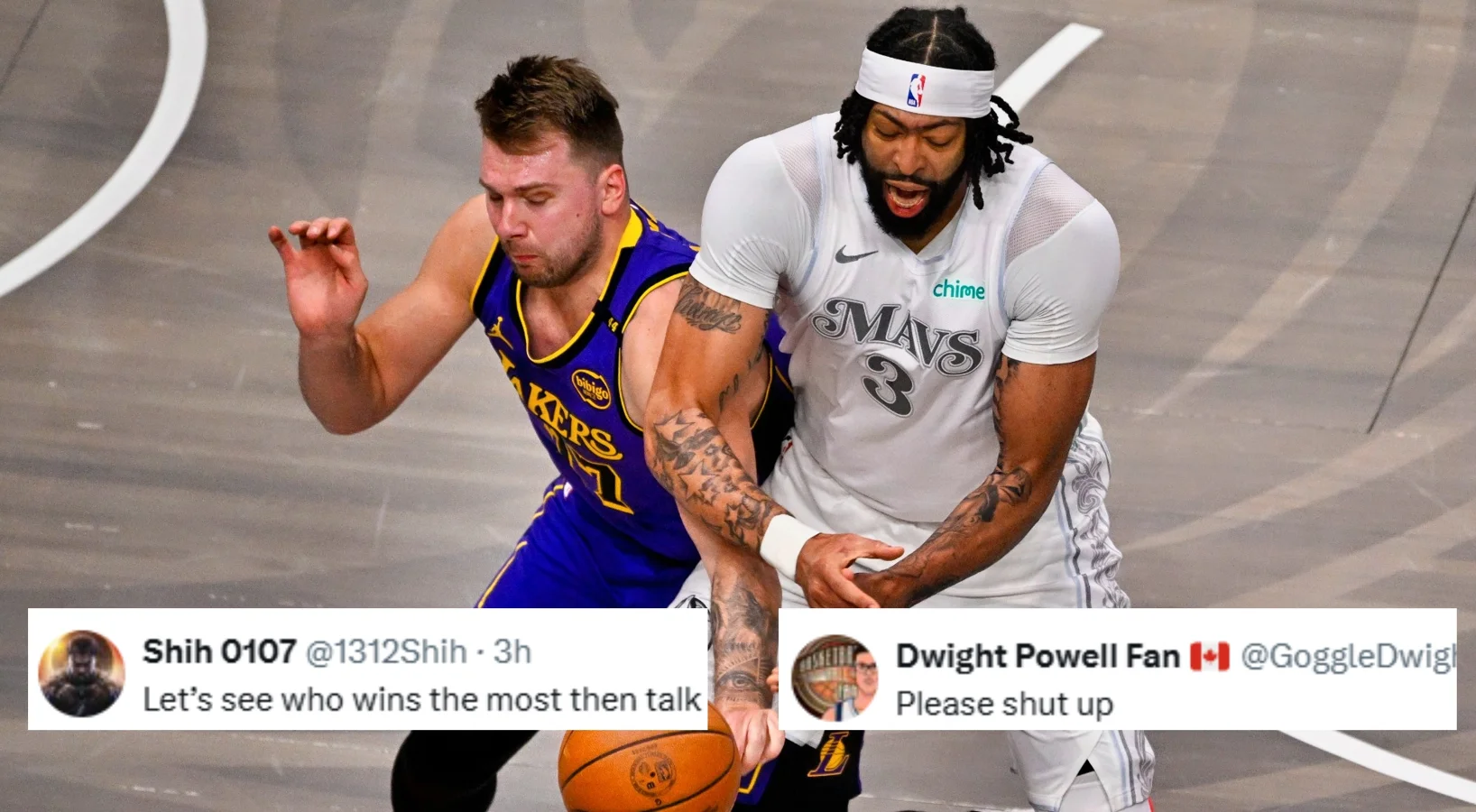

Nearly six months after the Dallas Mavericks traded Luka Doncic to the Los Angeles Lakers in exchange for Anthony Davis, the discussion over the financial impact of this swap remains heated. Recently, Luka Doncic signed a three-year, $165 million maximum contract extension with the Lakers, which features a player option for 2028, fueling renewed debate about the relative costs of these star players.
This contract decision by the Slovenian standout has drawn praise from many in the NBA community, but also triggered intense conversations following a revealing comparison by NBA reporter Sam Quinn. He highlighted that Anthony Davis’s contract will cost the Lakers approximately $25 million more than Doncic’s over the next three seasons, a disparity that has caused frustration and strong reactions among fans.
Financial Breakdown Shows Significant Difference in Contract Costs
Anthony Davis’s current contract still has three years remaining, with a total value of $186 million left to be paid. In contrast, Luka Doncic’s new extension covers three years at $165 million, providing the Lakers with a slightly lower financial commitment over the same period. Sam Quinn emphasized these figures in a recent social media post, stating,
“Anthony Davis will cost around $25 million more than Luka Doncic over the next three seasons. Nico Harrison, ladies and gentlemen.”
This contrast highlights an important element of the Lakers’ roster management, as the team balances the expenses tied to two of its top players. With Davis’s contract carrying a heavier price tag, questions have emerged about the team’s investment strategy and the on-court value each player delivers.
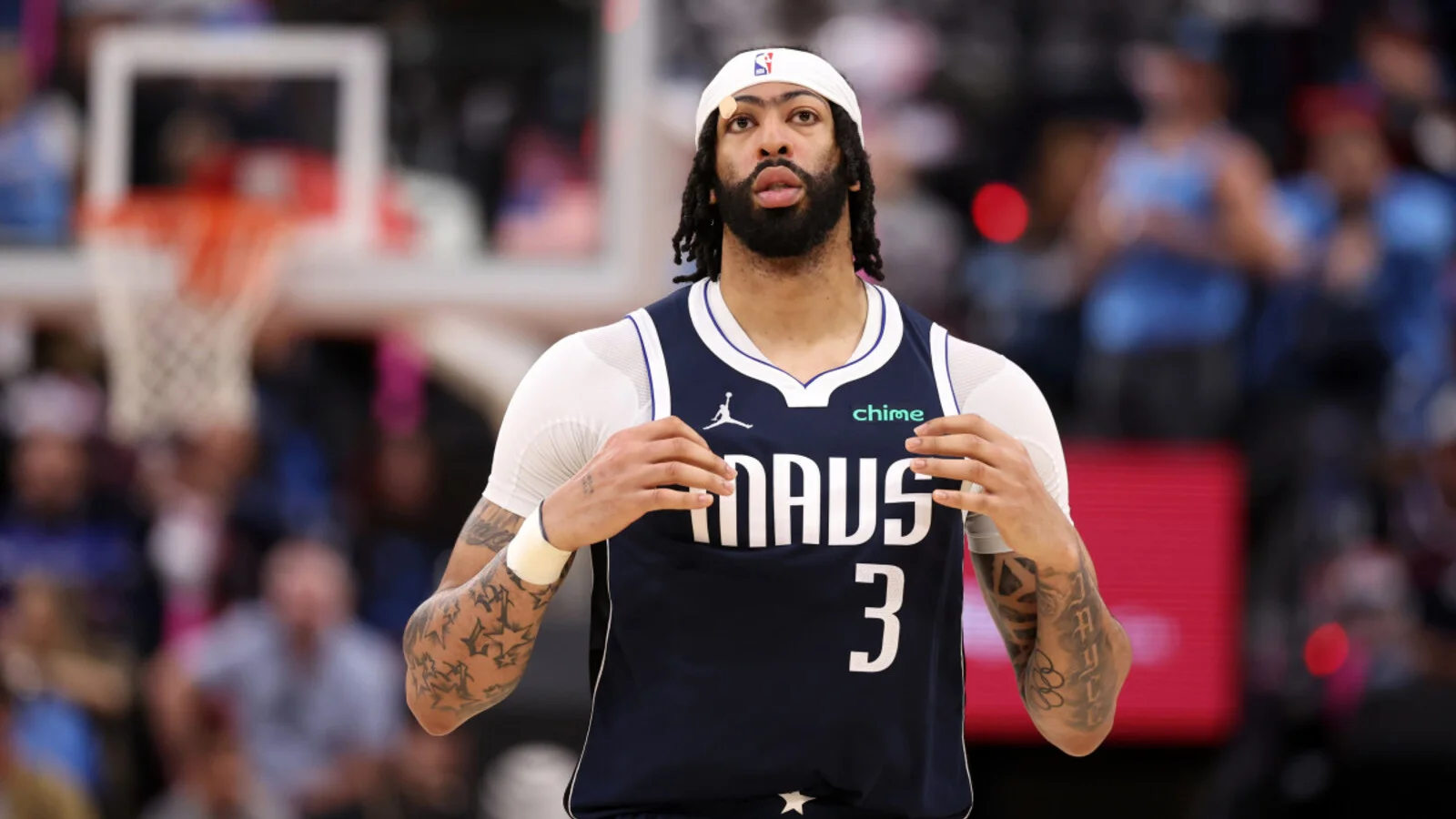
Fan Reactions Reveal Divided Opinions on Value and Championship Potential
The comparison sparked a flurry of responses across social media, especially on platforms like X, where fans debated which of the two players brings more value to their respective teams. Several supporters argued about which athlete is more likely to lead their team to an NBA championship, with opinions often split between Dallas and Los Angeles followers.
One fan commented,
“Dallas a hell of a lot closer to winning a ring.”
Another added,
“Dallas woulda had to resign him at a different number tho right?”
indicating the complexities behind contract negotiations and team salary caps. The conversation also included insights about league rules impacting contract terms. As Sandy Kaup explained,
“Take shots…he deserves the heat…but understand the extension would have been at higher $ and more years if he stayed due to nba rules.”
—Sandy Kaup, Sports Analyst
Other voices in the debate noted the dynamics that would have changed if Doncic had remained with the Mavericks. One fan stated,
“This is disingenuous man. Because if they didn’t trade him Luka Doncic would be making way more then AD.”
—Anonymous Fan
Another urged patience, saying,
“Let’s see who wins the most then talk.”
—Anonymous Fan
Emotions ran high, reflecting the strong attachment fans have to their teams and star players, as well as skepticism about contract valuations disconnected from winning results.
Performance Indicators Fuel the Ongoing Discussion
Luka Doncic’s on-court performance continues to impress, with averages of 28.2 points, 8.2 rebounds, and 7.7 assists over 50 games during the 2024-25 NBA season. This statistical output adds weight to debates about his value relative to Davis, who also carries high expectations due to his contract size and role on the Lakers.
Meanwhile, the broader NBA community watches closely to see how the Lakers manage these expensive contracts while seeking championship success. The financial commitments to Davis and Doncic will remain a key storyline as the league progresses through upcoming seasons.
Contract Cost Differences May Influence Future Team Strategies
The significant difference in the salary commitments for Anthony Davis and Luka Doncic has implications for roster construction and salary cap management for both the Lakers and Mavericks. Given Davis’s contract will cost $25 million more over the next three years, the Lakers face added pressure to justify this expense through performance and results.
Fans and analysts alike anticipate ongoing debate about which player offers more return on investment as the 2025 season continues, and how these contracts will shape the teams’ futures in pursuit of NBA titles.