
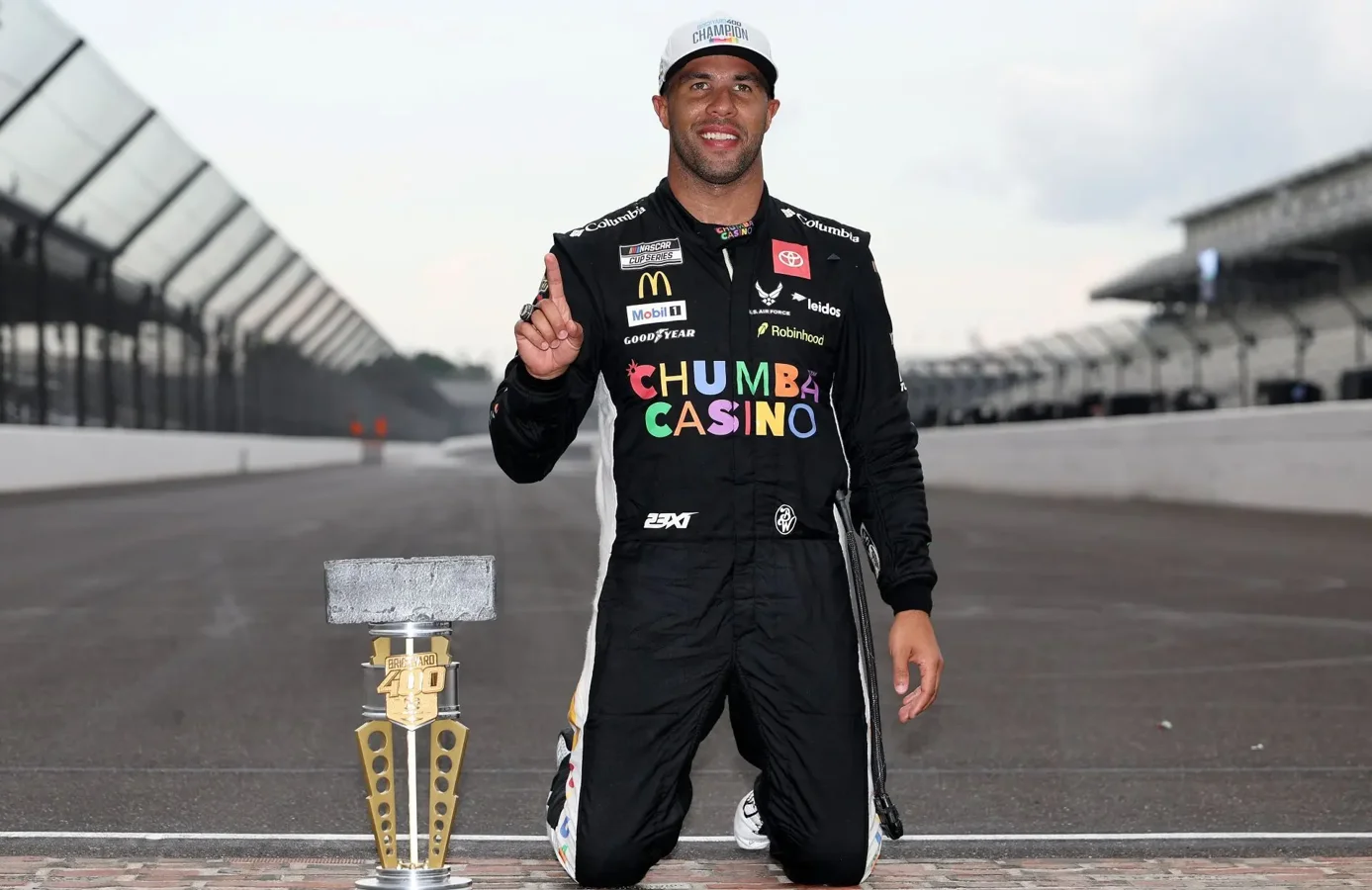

Bubba Wallace has become one of the most divisive figures in NASCAR, especially during his time at 23XI Racing, a team co-owned by Denny Hamlin and Michael Jordan since 2021. Wallace’s name often sparks strong reactions among NASCAR fans, mostly negative, stemming from years of built-up animosity. Much of this dislike intensified following a highly publicized event at Talladega Superspeedway in June 2020, which erroneously branded Wallace as a victim of a hate crime. The ongoing hatred directed at Wallace is rooted not just in rivalries common to NASCAR but in a false narrative that NASCAR and mainstream media promoted.
At the core of the conflict is what became known as the “noose incident,” which began on June 21, 2020, when NASCAR announced they had found a noose in the garage stall assigned to the No. 43 team. This announcement came on the heels of NASCAR banning the Confederate flag, and the league immediately framed the discovery as a “heinous act” of racism. NASCAR’s public statement said:
“Late this afternoon, NASCAR was made aware that a noose was found in the garage stall of the 43 team. We are angry and outraged, and cannot state strongly enough how seriously we take this heinous act. We have launched an immediate investigation, and will do everything we can to identify the person(s) responsible and eliminate them from the sport. As we have stated unequivocally, there is no place for racism in NASCAR, and this act only strengthens our resolve to make the sport open and welcoming to all.”
—NASCAR official statement
This statement ignited widespread anger, confusion, and suspicion among fans. While many felt the outrage was justified if the act were true, others sensed the situation was mishandled and possibly misconstrued. Unfortunately, questioning the narrative quickly led to accusations of racism against doubters, deepening divisions among fans and media alike.
How NASCAR’s False Accusation Sparked Decades of Misinformation
It turns out the so-called evidence was a misunderstanding from the start. The “noose” discovered was, in reality, a garage pull rope that had been hanging in the stall since at least the previous October race. The FBI investigated, dispatching 15 agents to Talladega, and ultimately found no crime had been committed. It was a misguided assumption blown into a national story by NASCAR and amplified by media outlets eager to take a firm stance against racism.
Fox Sports journalist Bob Pockrass played a key role in clarifying the situation by resurfacing a photo from the prior year, showing the same rope hanging in the garage before Wallace even occupied the stall. This evidence strongly suggested the rope had no malicious intent and had simply been misidentified.
The entire episode was a result of NASCAR reacting impulsively to a misunderstanding without confirming the facts. They knew the potential fallout and publicity but proceeded regardless, further complicating the situation by refusing to use qualifying language like “alleged” in their initial statements. This choice propelled the story beyond a local misunderstanding to a national controversy.
Many believe NASCAR wanted to showcase the sport as a progressive and inclusive organization, especially after banning the Confederate flag less than two weeks earlier. The league seemingly sought to portray itself as a leader in combating racism, unintentionally setting the stage for a scandal that should never have happened.
This overreach became evident when NASCAR appeared more concerned with optics than accuracy, fueling what critics call the
“National Association for Stock Car Anti-Racism”
rather than racing itself. The mishandling created not only confusion but also resentment among fans, some of whom were unfairly labeled racist for questioning the narrative.
The Fallout for Bubba Wallace—Victim of NASCAR’s Overreaction
Despite being the supposed victim in this drama, Wallace suffered the most damage from NASCAR’s blunder. The league’s premature condemnation and extensive media coverage positioned him as a figurehead of racial injustice, a role he neither sought nor fully accepted. Following NASCAR’s statement, Wallace made appearances on various talk shows defending the incident and criticizing those skeptical of the official story.
Wallace’s response, however, was based on the information he was given by NASCAR. He never saw the so-called noose himself, and his statements reflected the league’s initial certainty rather than an independent conclusion.
In later reflections, Wallace acknowledged that the situation “kind of looks bad,” showing his awareness of how the controversy affected perceptions. His openness about the incident’s complexities and his emotional reactions demonstrated he was caught between NASCAR’s narrative and the harsh criticism from fans and media alike.
Importantly, Wallace’s polarizing image extends beyond this incident, as he has faced various controversies unrelated to the noose story, both on and off the track. However, it is the false accusation that remains a central, unfairly influential factor in the animosity he encounters.
Wider Reactions and NASCAR’s Admission of Fault
Many in the motorsports community, including respected drivers and commentators, criticized the way NASCAR handled the situation. One year after the incident, seven-time NASCAR champion Jimmie Johnson openly stated that by simply including the word “alleged” in the initial statement, much of the fallout could have been avoided.
Eventually, even NASCAR president Steve Phelps admitted the organization had made errors in managing the narrative. Their failure to acknowledge the possibility that the incident was not a hate crime led to extended mistrust among fans and observers. This admission came too late to undo the damage, but it confirmed suspicions shared by many about the league’s haste to politicize the episode.
The episode serves as a cautionary tale about the dangers of jumping to conclusions without evidence, especially in a racially sensitive environment. NASCAR’s decision to rush to judgment, amplified by sensational media coverage, not only affected the league’s credibility but also created lasting divisions in its fan base.
Why Bubba Wallace Deserves a Fair Judgment Beyond the Controversy
Despite the intense backlash Wallace faces, the facts show that the hatred directed at him is disproportionate and founded on a false premise. His struggles are not because of his racing talent or character alone but largely due to being caught in a scandal that was never grounded in truth.
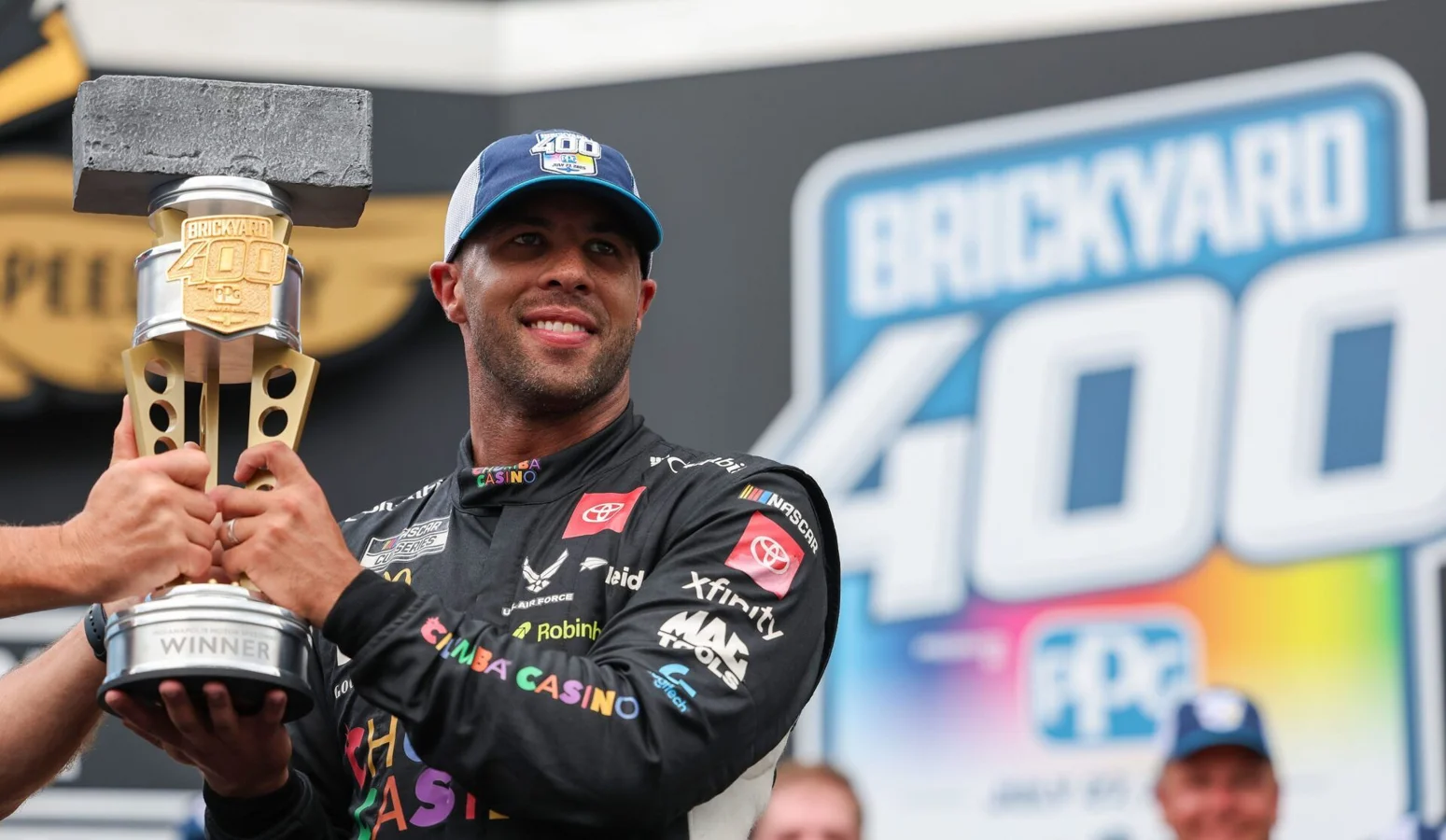
Wallace’s career highlights, including his Brickyard 400 victory, are often overshadowed by the noose incident. While many fans may never become supporters, understanding the truth behind the hate is essential in separating fact from fiction.
This case exemplifies how social and media pressure can distort reality, especially when a narrative fits a wider political agenda. It stands as a reminder to question assumptions and await evidence before assigning blame or character judgments.
More than five years after the event, the hope is that NASCAR fans and media alike will recognize the full context of what happened, relieve Wallace of unwarranted vilification, and focus on his performance and character rather than a mishandled controversy.
In the end, the “Bubba Wallace NASCAR hate truth” reveals a story of misunderstanding, poor management, and media sensationalism that unfairly stained both the driver’s reputation and the sport’s integrity.