
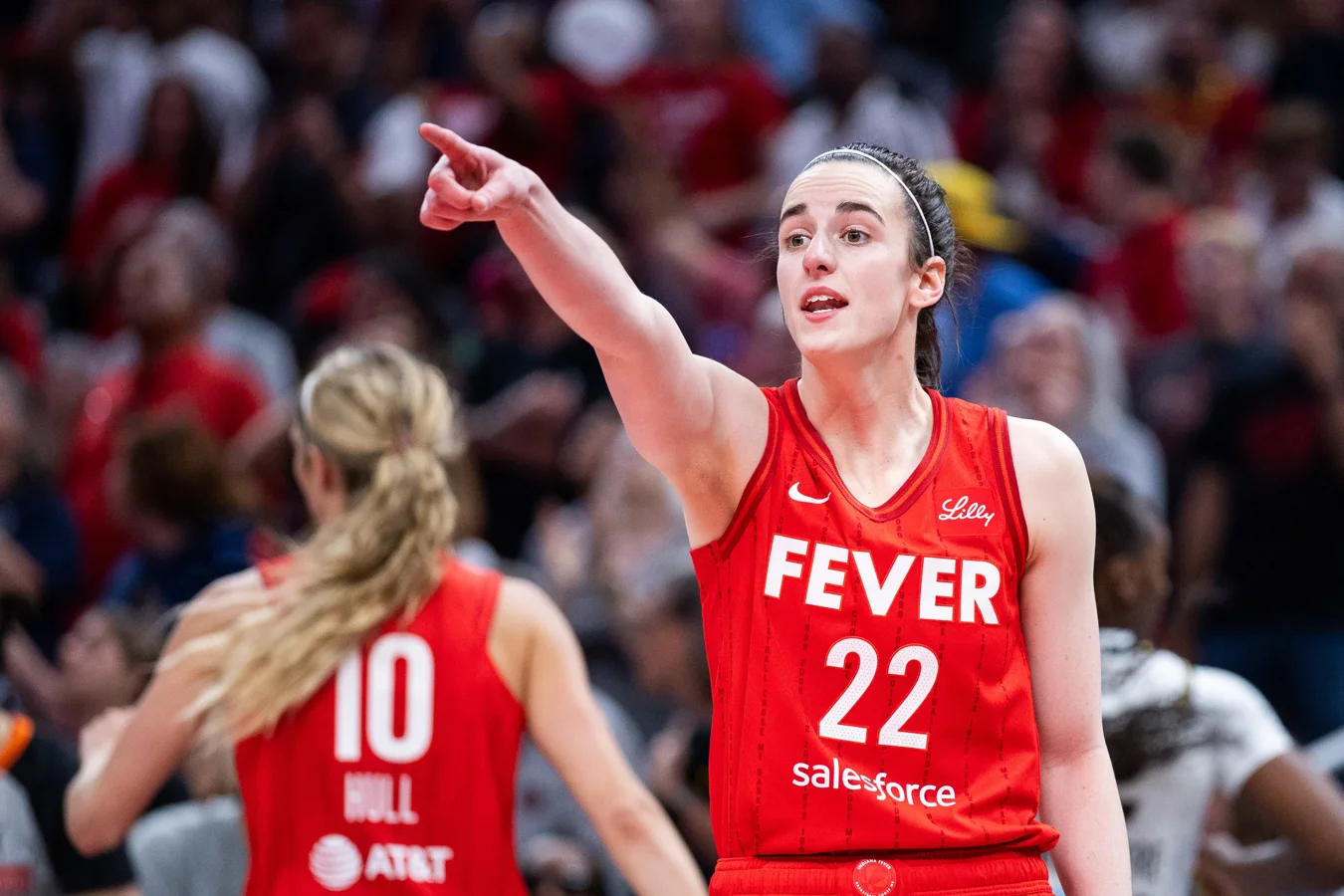

Caitlin Clark’s recent absence from the Indiana Fever lineup due to a groin injury has sparked a heated debate around her true impact on the team’s performance. Since July 15, Clark has missed several games, yet the Fever have maintained an impressive four-game winning streak, prompting discussion about whether the team is stronger without her presence on court. This controversy intensifies as fans and media outlets clash over the narrative surrounding Clark’s role in the Fever’s success.
Analyzing Claims That the Fever Are More Effective Without Caitlin Clark
ESPN analyst Carolyn Peck stirred controversy a month ago by asserting that Indiana is more dangerous in Clark’s absence. Peck explained that Clark’s role as a ball-dominant guard limits the Fever’s offensive flexibility, stating,
“Indiana is even more dangerous when Caitlin Clark doesn’t play,”
and adding,
“Because she’s a ball-dominant guard. The ball is in her hands a lot, so you know what you need to try to take away. But when you look at Indiana now, they’ve got so many weapons.”
Peck highlighted the emergence of players like Kelsey Mitchell and Aari McDonald, who have taken on greater offensive responsibilities and become more aggressive in guiding the backcourt.
These comments regained attention recently when a major media outlet cited them to support a claim that Indiana is performing at a higher level without Clark, pointing to the team’s decisive victory over Phoenix and McDonald’s standout game as evidence. However, this perspective has generated swift backlash from fans, who argue that it unfairly undermines Clark’s contributions and overlooks the complexity of the team’s dynamics.
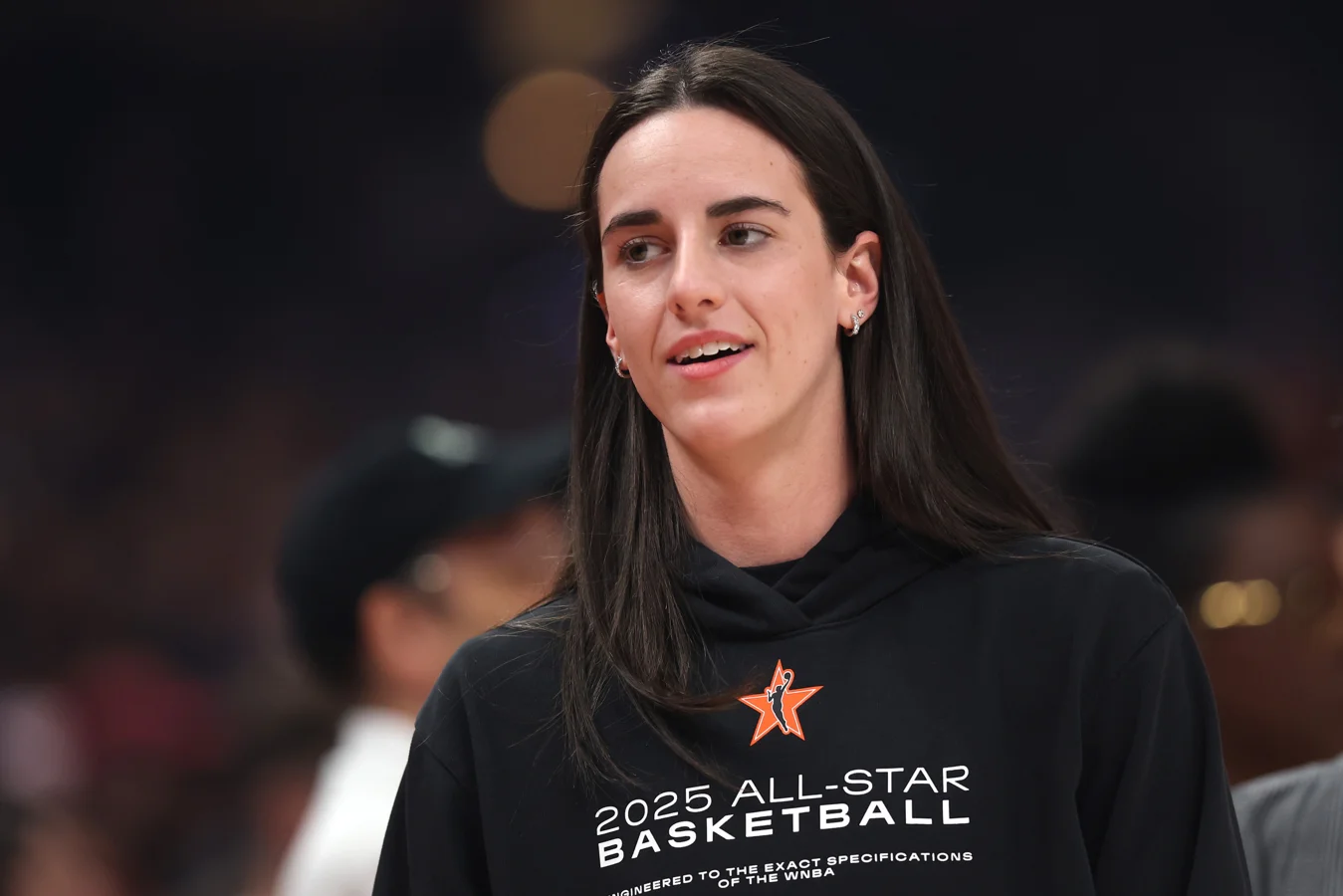
Fan Reactions Highlight Tensions Over Clark’s Role and Media Narratives
Social media users responded passionately to the renewed media debate, with one fan criticizing ABC for amplifying Peck’s view, tweeting,
“ABC just did a whole bit on Carolyn Peck doubling down on her comments about the Fever being more dangerous without Caitlin Clark. The rationale was Aari is a shooting guard, and they highlighted the Phoenix game, like it was typical for Aari. It’s obvious engagement farming.…”
—Ken Swift, User on X
Other fans expressed frustration at what they saw as disrespect toward an injured player, with one writing,
“I’ve never seen an injured player this disrespected. It’s useless.”
The hope for Clark’s healthy return and redemption was a common theme. Yet some recognized the underlying persistence of criticism, noting on X,
“My only thing is that it’s so easy to say this about Caitlin, but I guarantee you she’d never say the Sky are better without Reese if they were winning all these games without her.”
The debate also touched on comparisons with other WNBA stars, such as Angel Reese, A’ja Wilson, and Napheesa Collier, questioning whether similar scrutiny would apply if those players missed key games. Meanwhile, one fan offered a positive perspective, suggesting that the team’s ability to thrive without Clark reflects strength beyond one player, stating,
“I took it as giving credit to the FO and the team that could withstand a prolonged absence by CC. Makes it easier to keep her out until she is fully recovered.”
Statistical Overview of Indiana Fever’s Performance With and Without Clark
A detailed examination of Indiana’s performance metrics presents a complex picture of the club’s recent stretch. When Caitlin Clark played, the Fever averaged 81.7 points per game, but that figure has increased to 85.3 points per game since she has been sidelined, coinciding with the current winning streak. However, this offensive uptick comes with some caveats, especially in ball distribution.
The team’s assist numbers have declined, largely because Clark averaged 8.8 assists per game prior to her injury, significantly higher than second-ranked Aari McDonald, who currently averages 4.5 assists. This suggests that while the Fever’s scoring volume has improved slightly, their playmaking efficiency has taken a step back without their primary facilitator.
Additionally, the Fever’s three-point shooting percentage has dropped from 35.1% to 32.4%, lowering their rank to sixth in the WNBA for three-pointers made, with an average of 8.4 per game. Comparatively, teams like the New York Liberty, Minnesota Lynx, and Phoenix Mercury outperform Indiana from beyond the arc. Their three-point average in 2024 was 9.2 per game, indicating a noticeable decline this season while Clark has been absent.
Understanding Indiana’s Adaptations and Potential Future Impact with Clark
Overall, the Fever appear to have adjusted their strategy to accommodate Clark’s absence rather than improved in absolute terms. Players like Mitchell and McDonald have elevated their offensive output, illustrating the team’s depth. This adjustment highlights the Fever’s resilience but also emphasizes that Clark’s role is unique and not easily replicated.
Far from being a sign that Indiana is better without Clark, the current period signals an evolution in the team’s dynamics, suggesting that her return could make the Fever even more formidable. The depth the team has demonstrated in her absence provides a strong foundation, but fully integrating a player of Clark’s caliber might ultimately elevate the team’s overall potential.