
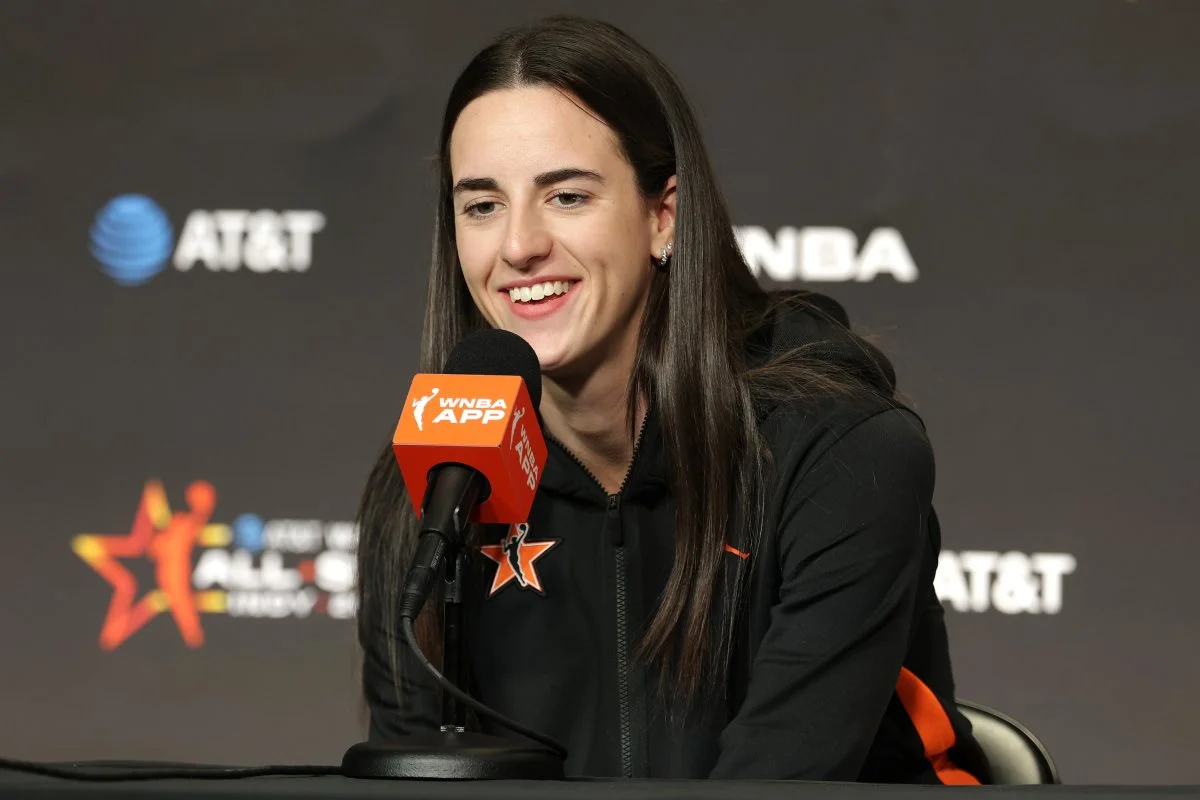

The WNBA is navigating a turbulent season marked by rapid expansion and rising conflict, with Caitlin Clark at the center of it all. WNBA Commissioner Cathy Engelbert recently reaffirmed that despite Clark’s soaring fame, the league will not revolve around any single player, emphasizing a collective approach to growth and star power.
Caitlin Clark’s Explosive Entrance and the Challenges It Brought
Clark’s rookie season has attracted unprecedented attention, driving ticket sales, increasing media visibility, and sparking widespread fan engagement. As a result, she has become the face of the Indiana Fever and a major figure in the league’s surge. However, this popularity has also led to heightened scrutiny and friction both on and off the court.
During the All-Star weekend held in Indianapolis, Clark took part in a silent protest alongside other stars, wearing shirts bearing the demand,
“Pay Us What You Owe Us.”
The protest captured strong reactions from fans who loudly supported the players with chants of “Pay Them!” This message was clearly aimed at Engelbert, who continues to express optimism about a forthcoming transformative collective bargaining agreement (CBA).
Commissioner Engelbert’s View on League Growth and Player Dynamics
Commissioner Engelbert emphasized the league’s preparedness for its current surge, stating,
“We’ve been preparing for this growth. If you build it, they will come—and they did.”
She acknowledged the physical nature of the game amid rising competition and incidents involving Clark and other prominent players like Chennedy Carter, Angel Reese, and Kelsey Plum.
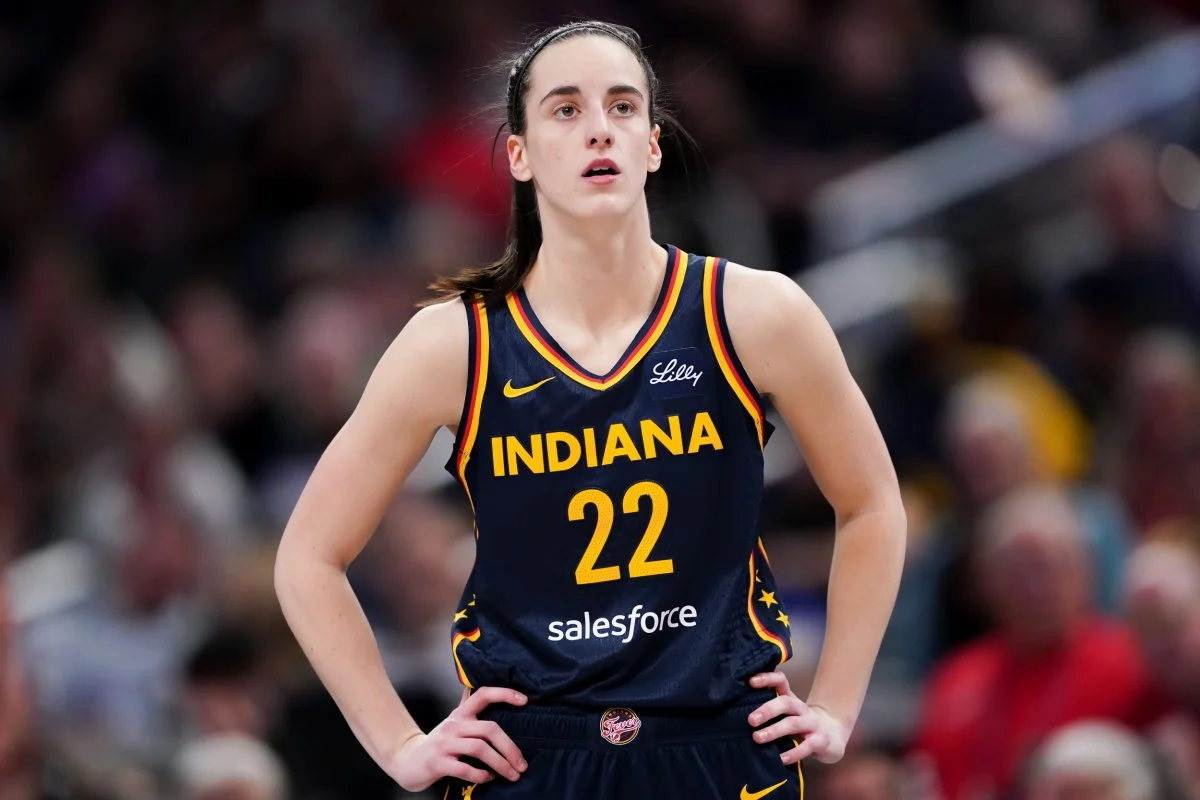
Addressing the inevitable on-court physicality, Engelbert remarked,
“Everyone’s getting bumped. It’s a physical league,”
and praised Clark’s resilience, adding,
Caitlin has handled it great.
Despite Clark’s undeniable impact, missed games due to a groin injury have fueled additional controversy. Clark’s brother even sparked criticism toward referees in a now-deleted social media post about her injury, highlighting the tense atmosphere surrounding her season.
Building the League Beyond One Star
Engelbert insisted that although Clark is a household name rising swiftly, the league’s foundation cannot rest on any individual player. She pointed to established stars such as A’ja Wilson, Brittney Griner, and Diana Taurasi as examples when explaining that a sustainable league must be built on multiple stars, not a single icon.
No league ever made themselves on one player,
Engelbert explained,
Even in the Bird-Magic era, the Michael Jordan era—you have to build around all of your stars.
Looking forward, the WNBA is progressing with plans for global expansion, new franchises, and expanding visibility, aiming for long-term growth even as Clark remains a lightning rod for debate and attention.
The Ongoing Impact of Caitlin Clark Amid League Evolution
As Clark stays firmly in the spotlight through a season filled with high stakes and heated moments, the league faces the challenge of balancing rising individual star power with the collective interests of its teams and players. Whether Clark will continue to thrive amid scrutiny or become overwhelmed by the pressures remains uncertain as the WNBA charts its historic path forward.