
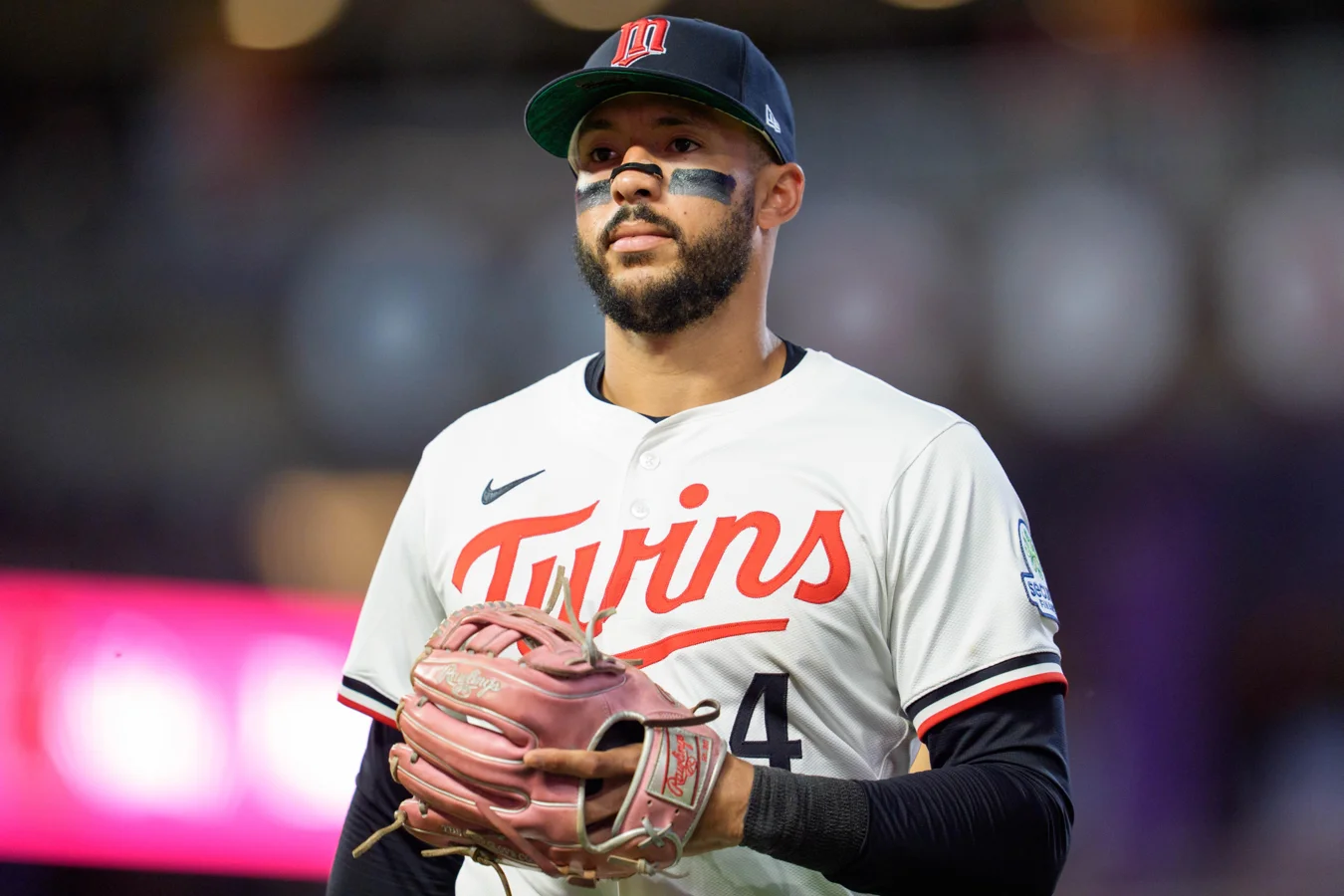

On January 11, 2023, the Minnesota Twins made a headline-grabbing move, signing star shortstop Carlos Correa to a six-year contract with four additional team options. Correa had just completed his initial season in Minnesota before opting out, and the Twins’ front office assured him that re-signing would come with a full commitment to building a championship-caliber roster. This promise was echoed publicly, with Derek Falvey stating,
“What’s clear to us is that adding Carlos back to the mix, [we want to continue to add], We will continue to think about ways to be creative”
—Derek Falvey, Twins Executive.
The announcement energized the fanbase as optimism soared. The Twins impressively ended their long playoff drought that same season and followed up with a message to fans promising an even brighter future. Yet, just 21 months after this pivotal playoff triumph, the team dismantled its roster, trading away Correa well before his contract’s midpoint. The question remains: what factors forced such a rapid and dramatic change?
Payroll Limitations and Ownership Decisions Hamper Team Building
Although Falvey’s assurances suggested a willingness to invest in talent, soon after the promising 2023 playoff campaign, team owner Jim Pohlad emphasized “rightsizing the payroll.” This stance dampened fan enthusiasm and arguably prevented the Twins from addressing glaring weaknesses on the roster. Heading into 2024, the organization faced serious budget constraints despite urgent needs for a starting pitcher, first baseman, insurance for Byron Buxton, and bullpen reinforcements.
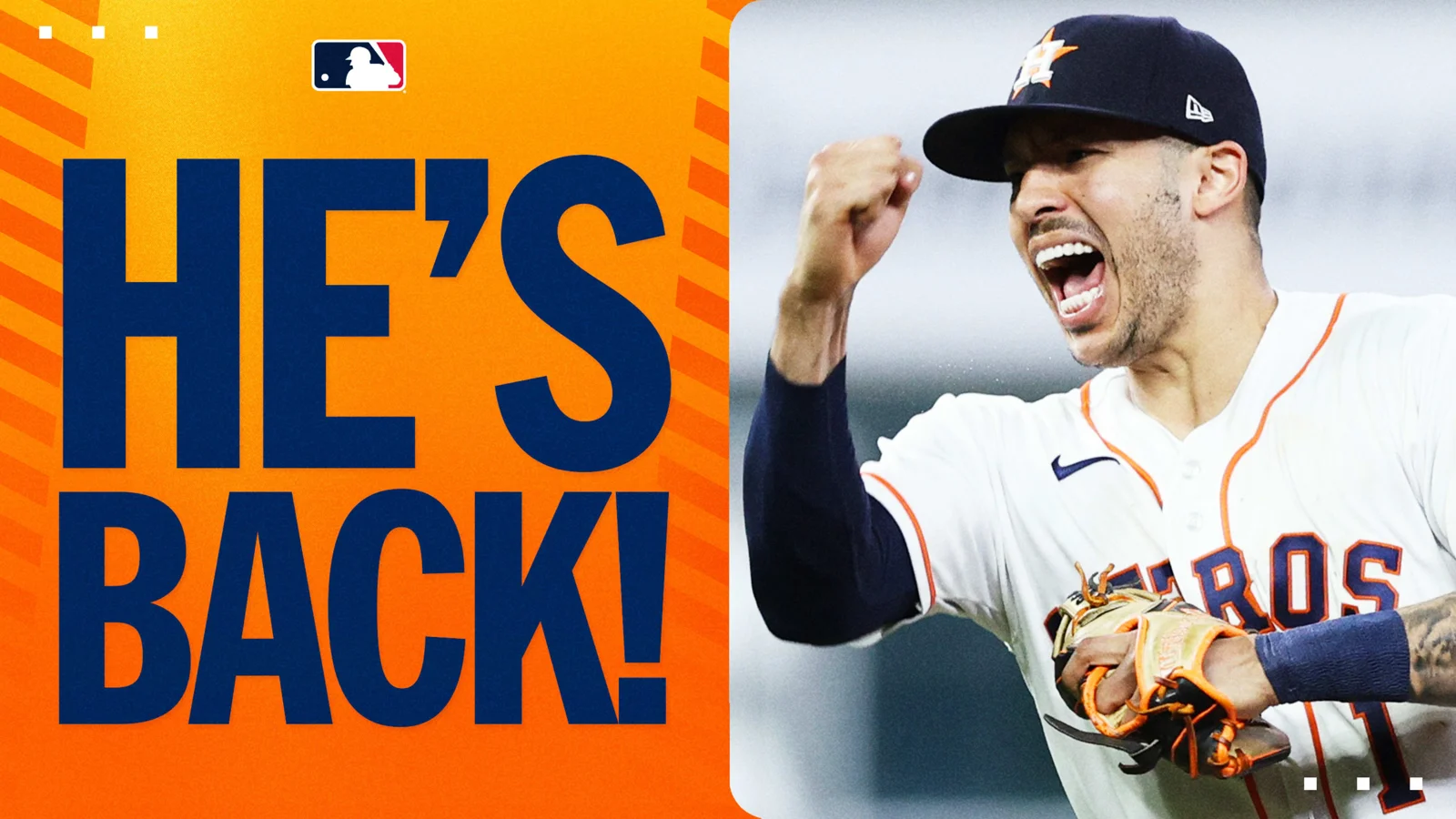
Faced with limited options, Falvey took conservative financial measures, including trading Jorge Polanco to reduce salary commitments. While Carlos Santana‘s inexpensive signing proved a bright spot, other free-agent additions such as Manuel Margot, Anthony DeSclafani, and Justin Topa failed to deliver consistent value. Even amid an 88% chance to reach the postseason at the trade deadline, the only midseason acquisition was low-tier reliever Trevor Richards, illustrating the restrictions under which the front office had to operate. The season concluded with disappointment.
Entering 2025, the team again faced roster gaps, particularly at first base and in adding a long-awaited power hitter. Unfortunately, financial limitations allowed only for the signing of Ty France, a move that yielded underwhelming results. Compounding the problem, a wave of arbitration-eligible players—including Jhoan Duran, Griffin Jax, Joe Ryan, Bailey Ober, Trevor Larnach, Royce Lewis, and Ryan Jeffers—loomed as rising payroll concerns. Responding to these pressures, the Twins proceeded with another midseason roster shakeup, signaling a shift away from sustained investment.
With Correa’s deal consuming roughly 30% of the team payroll and Pablo Lopez and Byron Buxton accounting for approximately another 30%, there was scant room left to acquire meaningful contributors. The combination of Correa’s expensive contract and the Pohlad family’s fiscal caution effectively capped the Twins’ ability to improve. However, cutting Correa’s contract might now free nearly $70 million over the next three years—financial flexibility the Twins have lacked for some time. Had the Pohlads honored their initial commitments, the franchise might have charted a very different course.
Injuries and Performance Challenges Affect Correa’s Impact
The large financial commitment made to Correa came with expectations of All-Star level production and reliable health—standards unmet during much of his time in Minnesota. His $35 million annual salary implied a player performing at elite, consistent levels, yet while Correa showcased standout talent for a single season, injuries frequently impaired his contributions.
In 2023, Correa battled plantar fasciitis in his left foot, an ailment he tried to play through, but it clearly hampered his offensive approach, resulting in a below-average wRC+ of 94 across 135 games. Although 2024 saw a rebound, with Correa hitting 55% above league average and demonstrating excellent defense, he again faced plantar fasciitis and an oblique strain, limiting his playing time to 86 games. Had he stayed healthy, his rate stats might have earned MVP consideration.
The 2025 season marked a regression to below-average offense and noticeable defense declines. Correa notably increased his swing rate at pitches and struggled especially against sliders, while also grounding into crucial double plays. These negative contributions reflected in Win Probability Added (WPA), where Correa cost the Twins nearly four wins that year. This assessment likely informed the front office’s conclusion that the player they signed was not the one they were receiving on the field.
Despite this, it’s important to recognize Correa as more than just statistics. Beyond his performance, he is valued as a leader, mentor, and positive clubhouse presence. Yet in terms of consistently delivering the level of play necessary for contention, Correa’s time with the Twins fell short. With better health and production, the outcome might have been different.
Differences in Role Expectations and Team Philosophy
Another critical complication involved misalignment between Correa’s preferences and the Twins’ roster needs. The team never signed him to play third base, a position they could not afford to staff with such an expensive player—especially when Correa did not maintain a .900 OPS level—and lacking a reliable shortstop replacement. Additionally, tightening payroll limitations restricted flexibility, extending beyond management’s control.
As commentator Cody Christie has observed, this situation created tensions that complicated the relationship between player and organization. The front office eventually determined that maintaining a competitive roster within these constraints, alongside Correa’s large contract and role uncertainties, was untenable. This disconnect played a significant role in the decision to part ways.
Reflecting on a Promising but Troubled Era
Ultimately, the combination of ownership-imposed payroll limits, Correa’s health and performance issues, and a misfit between player expectations and front office realities led to a premature end to Carlos Correa Minnesota Twins tenure. This chapter stands as a cautionary tale about balancing ambitious signings with sustainable team-building strategies. For Minnesota, releasing Correa represents both a painful acknowledgment of lost potential and an opportunity to regain financial freedom and roster flexibility moving forward.
The Twins must now rebuild with clearer fiscal discipline and strategic planning if they hope to fulfill the championship ambitions once promised to Correa and fans alike. While the tenure of Carlos Correa in Minnesota ended sooner than many had hoped, the lessons learned could shape a stronger foundation for future success.