
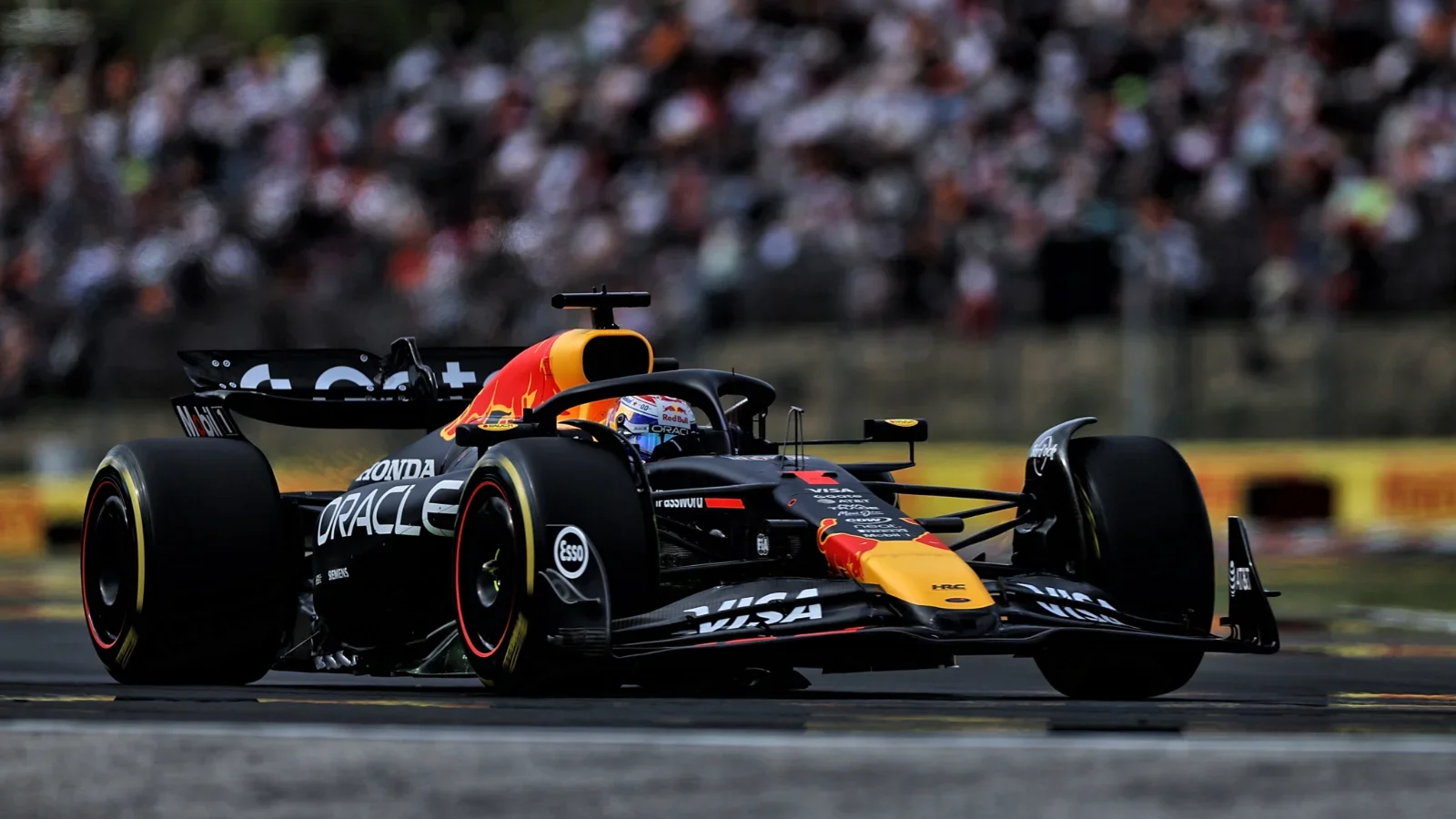

The stewards concluded their investigation into Max Verstappen’s daring Hungarian GP move on Lewis Hamilton, deciding there was no foul play involved. The pass, which occurred at Turn 4 during the race, saw Hamilton veer off the track, but officials determined Verstappen did not force the Ferrari driver off the road and opted against imposing any penalties.
After making his initial stop for hard tires, Verstappen sought to advance through the mid-pack as he began his second stint with fresher rubber. He found Lewis Hamilton trailing behind a group that included Liam Lawson, Oliver Bearman, and Isack Hadjar, and spent several laps closely following the seven-time world champion before attempting his decisive move on the inside heading into Turn 4.
Details on Overtaking Attempt and Officials’ Findings
Verstappen’s maneuver took place at the high-speed left-hander. As Verstappen positioned himself on the inside line, Hamilton left the racing surface and crossed the run-off area. The stewards initially flagged the incident for investigation, but Hamilton chose not to attend the hearing. According to the official report, a Ferrari team representative confirmed that Hamilton deliberately took evasive action and emphasized there was no physical contact between the two drivers.
Verstappen maintained he had control of his car throughout the move and was willing to provide more space had Hamilton remained on track.
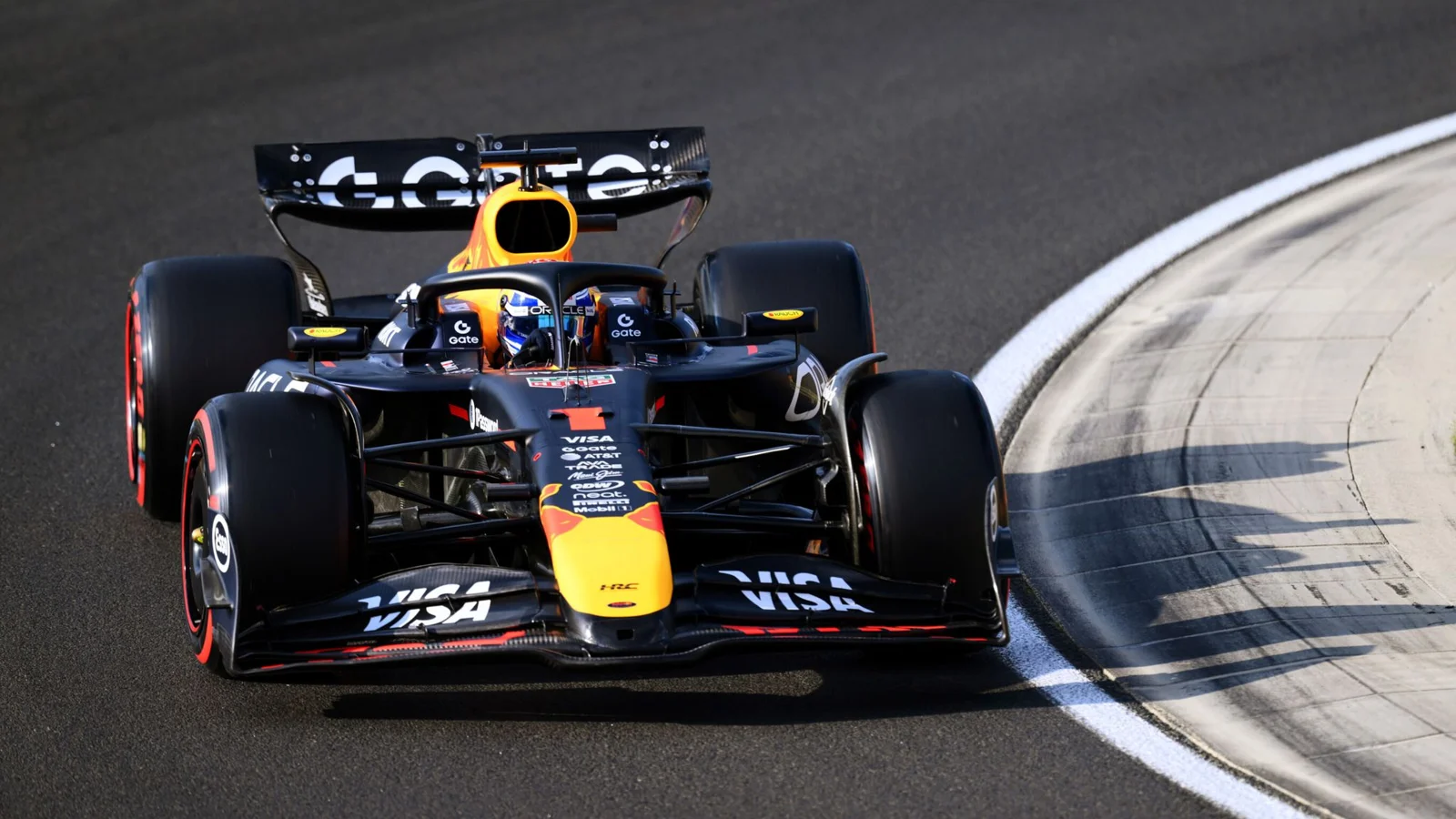
“The driver of Car 1 [Verstappen] stated during the hearing that he had gained some momentum on Car 44 [Hamilton] out of Turn 3 with fresher tyres and used this momentum to make a move on the inside into Turn 4,”
the report detailed.
The Dutch driver further explained that he could have stayed tighter to the inside line to leave room for Hamilton upon exit, but since the latter left the track, Verstappen chose to utilize the full extent of the available circuit.
The team representative for Hamilton corroborated that no contact between the cars occurred and that Hamilton’s choice not to remain on the racing line was intentional. Based on these factors, the stewards ruled:
“Taking all this into account, the Stewards determine that there was no contact and that the incident does not qualify as forcing another car off track despite the ambitious nature of the overtaking attempt and take no further action.”
Drivers’ Reactions Following the Incident
Max Verstappen downplayed the significance of the move after the race, expressing frustration over the investigation given the lack of contact or wrongdoing. He suggested Lewis Hamilton’s absence from the stewards’ room hinted at a disinterest in mounting a defense.
“The thing is that nothing happened,”
Verstappen remarked.
“We didn’t even touch. That’s the thing. So, for me, it’s a bit difficult to understand why we have the investigation after the race.”
He added that Hamilton’s decision not to appear showed a lack of concern:
“Lewis was not there, but we explained our side of the story. I don’t think Lewis actually felt a lot for it, because if he really felt something for it, then of course he’s there in the stewards’ room.”
Verstappen also reflected on their challenging weekends and shifted focus to overall performance rather than the isolated incident. He explained,
“I went for a move up the inside, because it’s a fast corner, but with downforce, you’re a bit more under control anyway.”
He concluded by describing Hamilton’s reaction during the pass:
“I think he realised very late that I was up the inside there. So then he turned out of it a little bit and then went off the track. And that was it. We didn’t touch. Nothing happened.”
Implications for Verstappen and the Hungarian GP Outcome
The ruling clears Verstappen of any penalty, allowing him to maintain his standing in the race without repercussions for the incident. This decision highlights the stewards’ careful consideration of driver intent and on-track control during close racing encounters. By confirming no contact occurred and recognizing Hamilton’s avoidance move, officials underscored the high stakes and split-second decisions involved in Formula 1 overtaking attempts.
For Verstappen, who is contending for his title defense, the cleared move removes distraction and allows him to concentrate on improving overall race results after a weekend he described as less than ideal. Meanwhile, the incident sets a precedent for how similar close battles may be judged in the future, reinforcing that aggressive but clean racing will be tolerated when drivers maintain control and avoid dangerous contact.