
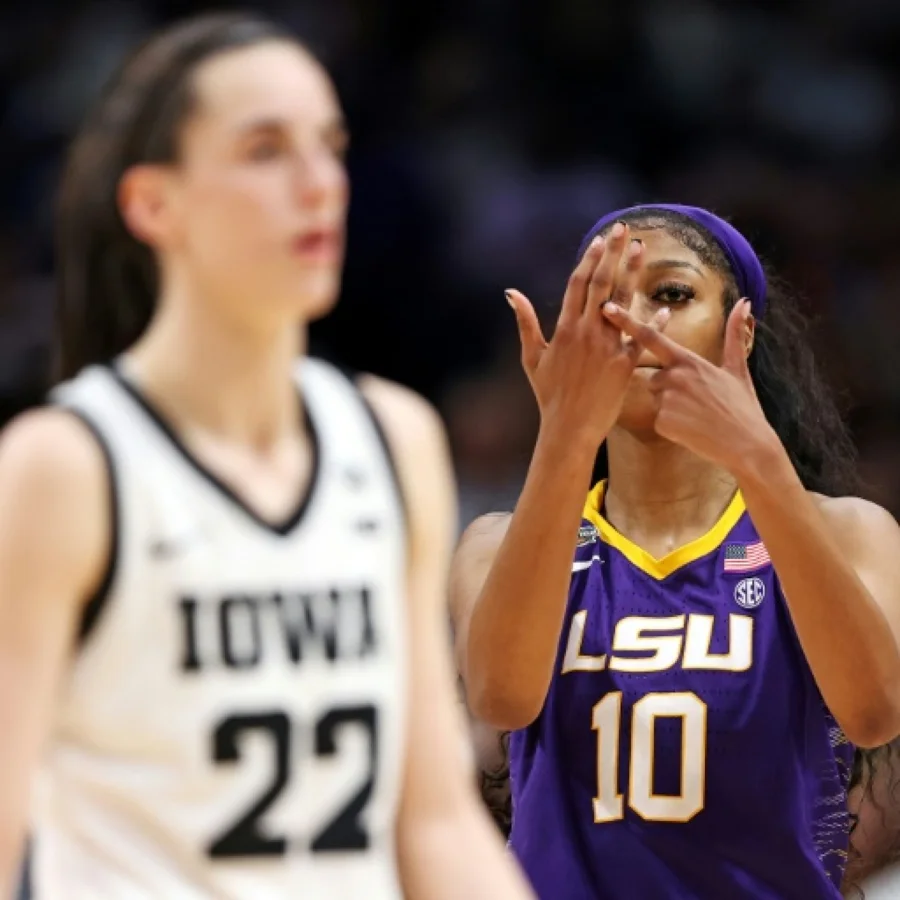

Antonio Brown has ignited controversy once more by targeting Indiana Fever rookie Caitlin Clark amid recent troubling developments in the WNBA. The former NFL wide receiver shared a provocative, altered image on social media that directly ridiculed the Angel Reese WNBA pay petition during a time when the league is addressing fan misconduct and ongoing negotiations over player compensation.
Brown’s widely circulated post showed Clark wearing a digitally manipulated shirt with the phrase:
Pay us in green floppy d**dos.
This offensive message was a clear attempt to mock the WNBA’s ongoing
Pay Us What You Owe Us
campaign, which players prominently promoted at the 2025 All-Star Game as part of their demand for improved salaries and workplace conditions.
Players push for fair pay amid escalating fan disruptions
The
“Pay Us What You Owe Us”
initiative gained momentum following a collective meeting of over 40 players with league officials after stalled talks on the collective bargaining agreement. This movement highlights the demand for equitable treatment despite the league’s rising popularity and financial growth.
Adding to the tension, recent incidents have marred the WNBA’s image. During games earlier this month, fans threw sex toys onto the court—first at a matchup in College Park between the Atlanta Dream and Golden State Valkyries, then again in a contest featuring the Valkyries and Chicago Sky. Both events caused game delays and spurred criticism from players who expressed concern over the increasing disrespect and safety risks at venues.
Disparity in earnings contrasts with growing league success
Brown’s inflammatory post starkly contradicts the serious issues players are confronting. While WNBA viewership has hit record numbers and the league secured a lucrative multibillion-dollar media deal, the average player salary remains roughly $102,000, with rookies like Clark earning under $80,000 annually. This stands in sharp contrast to the <a href=”https://www.buzzineintl.com/category/basketball/nba/”>NBA where average salaries approach $13 million.
In response to stalled negotiations, every member of Team Caitlin Clark and Team Napheesa Collier donned black warm-up shirts featuring the campaign slogan, signaling solidarity ahead of the current collective bargaining agreement’s expiration on October 31. Without progress, players face a possible lockout in 2026.
The players’ demands are grounded in the league’s significant economic expansion, fueled by increased attendance and merchandise sales, as well as its growth into new markets like Toronto and Philadelphia. However, players currently receive only about nine percent of the league’s revenue, a figure far below the NBA’s player share of roughly fifty percent. Although Clark is a standout star leading in merchandise and ratings, she remains one of the lowest-paid athletes relative to her market impact.
These events emphasize the deepening struggle within the WNBA between rising popularity and persistent pay inequities, complicated further by fan misconduct that threatens player safety and league dignity. The coming weeks will be crucial as negotiations proceed and the league confronts questions about its future stability and fairness.