
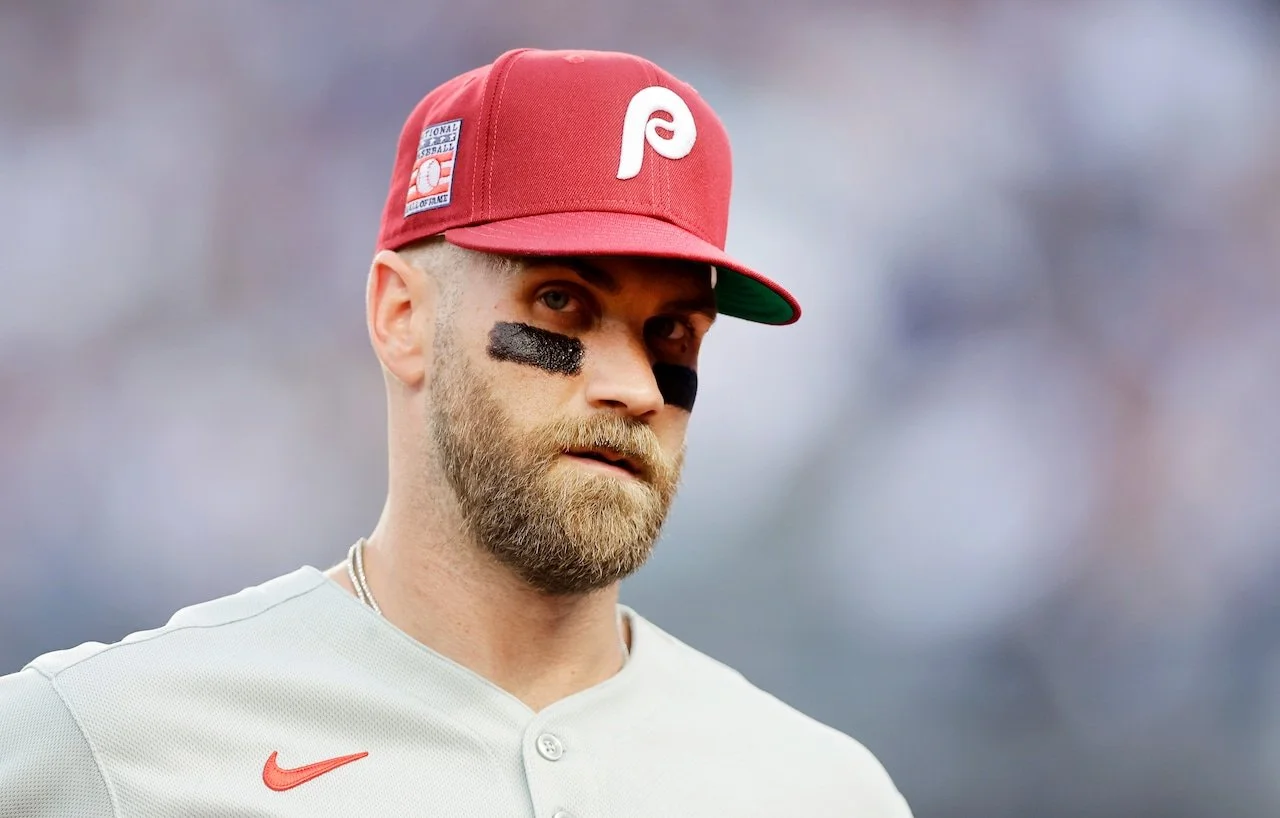

Conflict has surfaced within Major League Baseball involving Commissioner Rob Manfred, team owners, and prominent players, notably Philadelphia Phillies star Bryce Harper. This friction became visible in late July during the commissioner’s annual meeting with the Phillies, where Manfred and Harper reportedly engaged in a heated confrontation about the possibility of implementing a salary cap after the 2026 season, following the negotiation of a new Collective Bargaining Agreement (CBA). The situation highlights escalating concerns over the future of player compensation in MLB.
Bryce Harper expressed his frustration vocally in response to Manfred’s remarks about the potential salary cap, directly addressing the commissioner with strong language during the exchange, saying,
get the [expletive] out of our clubhouse.
Commissioner Attempts to Minimize Fallout from Harper Exchange
While attending an event at Wrigley Field, where Chicago was announced as the host of the 2027 All-Star Game, Commissioner Manfred addressed the clash with Harper. He sought to downplay the incident, suggesting it was simply one player choosing an intense way to express himself and not indicative of a larger problem.
As reported by The Athletic’s Patrick Mooney, Manfred stated,
It was an individual picking a particular way to express himself, and I don’t think you need to make more out of that than that.
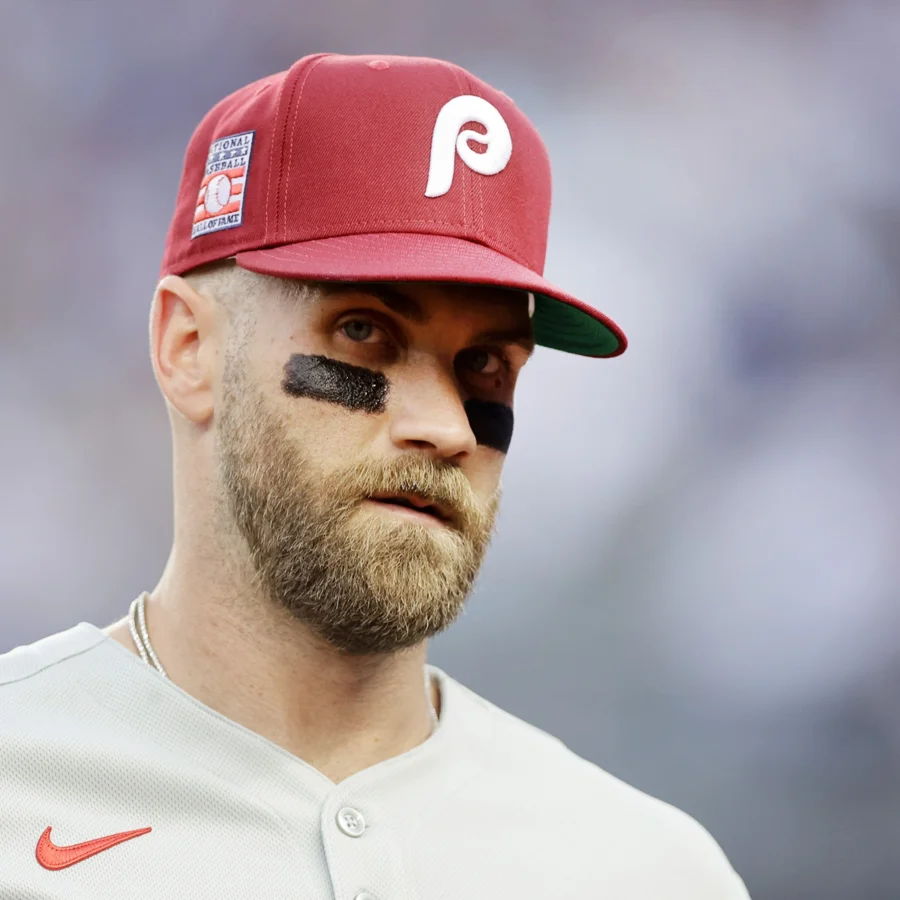
When questioned about the exchange, Harper declined to provide further details but clearly opposed the idea of a salary cap, which many players on teams like the Phillies see as detrimental. Owners and Manfred remain supportive of the concept, making the 2026 CBA negotiation a likely source of prolonged disagreement and growing tension between players and management.
Uncertainty Surrounds the Path Forward for MLB Salary Negotiations
Manfred’s reticence to fully disclose details of his meeting with the Phillies aligns with expected discretion, yet the harsh exchange raises questions about fairness and future direction. Expert Leo Morgenstern of MLBtraderumors.com reflected on Manfred’s remarks, suggesting the commissioner’s inclination to minimize the altercation serves his interests by framing it as an isolated outburst rather than widespread player dissatisfaction.
With the current CBA set to expire on December 1, 2026, several owners are eager to introduce a salary cap, a move strongly opposed by the players. ESPN’s Jorge Castillo reported that Manfred has been subtly promoting this agenda during his clubhouse meetings, avoiding explicit language but clearly signaling his intent. The MLB Players Association argues against the salary cap, maintaining that it would artificially limit player earnings without effectively enhancing competitive balance or fostering the game’s growth.
Morgenstern highlighted this perspective:
Perhaps that’s true. Yet, there is no denying it would be in Manfred’s best interests to downplay his altercation with one of the most influential players in the league. It’s also in his best interests to believe this was an isolated incident of an individual
expressing himself rather than a reflection of how many players feel across all 30 teams.
Castillo’s insight confirms the players’ alarm, emphasizing resistance:
Indeed, according to ESPN’s Jorge Castillo, the MLBPA believes Manfred is pushing for a cap in his clubhouse meetings this year – even if he isn’t using those exact words. Unsurprisingly, the players association is strongly against a cap, arguing it would primarily serve to artificially suppress player salaries rather than increase parity around the league or help to grow the game.
Potential Lockout and Job of MLB Players Association Executive Director
The growing divisiveness surrounding the salary cap has raised concerns about a possible lockout after the 2026 season. Tony Clark, the executive director of the MLBPA, has openly criticized the notion of a salary cap, describing it as, in effect, institutionalized collusion designed to limit players’ earnings. Clark will be the chief negotiator for players during the upcoming collective bargaining talks, tasked with protecting their interests amid these contentious discussions.
The ongoing standoff underlines a deep rift between ownership’s financial goals and players’ rights to fair compensation, making the next few years critical for the league’s labor relations and overall future.