
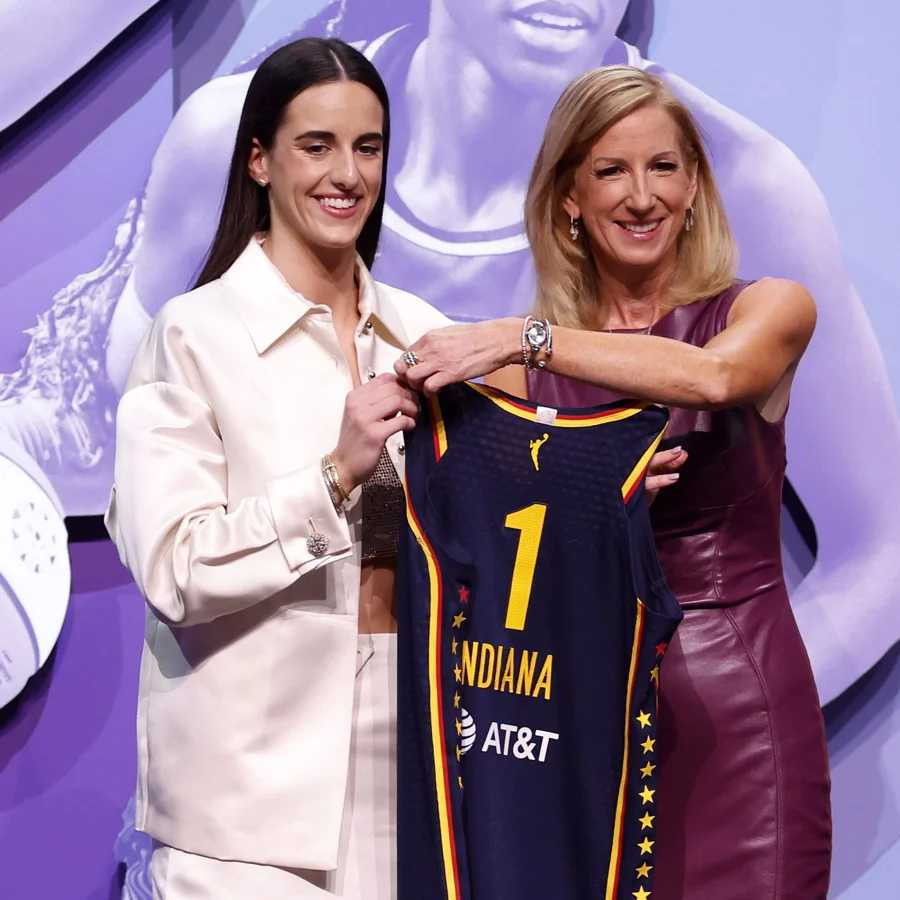

Indiana Fever star Caitlin Clark has been frequently targeted by opposing teams in the WNBA through hard fouls, contributing to her participation in only half of her team‘s games this season. This disproportionate physical play has sparked concern amid declining league ratings without its leading player fully available. Recently, a former White House adviser urged a federal inquiry to address what he describes as discriminatory treatment against Clark.
Sean McLean Alleges Civil Rights Violations in Clark’s Treatment
Sean McLean, who worked as a White House adviser during the final phase of Donald Trump’s administration, wrote an opinion piece in the Wall Street Journal arguing that Caitlin Clark faces a hostile environment within the league. McLean claims the WNBA has allowed excessive fouling, targeted aggression, and hostile remarks from players and team owners with no corrective action from officials. He highlights the absence of suspensions for players flagrantly fouling Clark as evidence of unequal enforcement.
McLean references Supreme Court rulings he believes are relevant to Clark’s situation and asserts that her treatment exceeds challenges typical for a young athlete entering professional sports. Because the league has not adequately protected her, McLean insists federal agencies should intervene.
The league has fostered a hostile workplace for Ms. Clark through excessive fouling, targeting, and hostile comments from other players and owners,
McLean claims.
These aren’t isolated—they’re documented, continuing and ignored by officials. The disparity in treatment invites real scrutiny. Not a single player has been suspended for flagrantly fouling Ms. Clark.
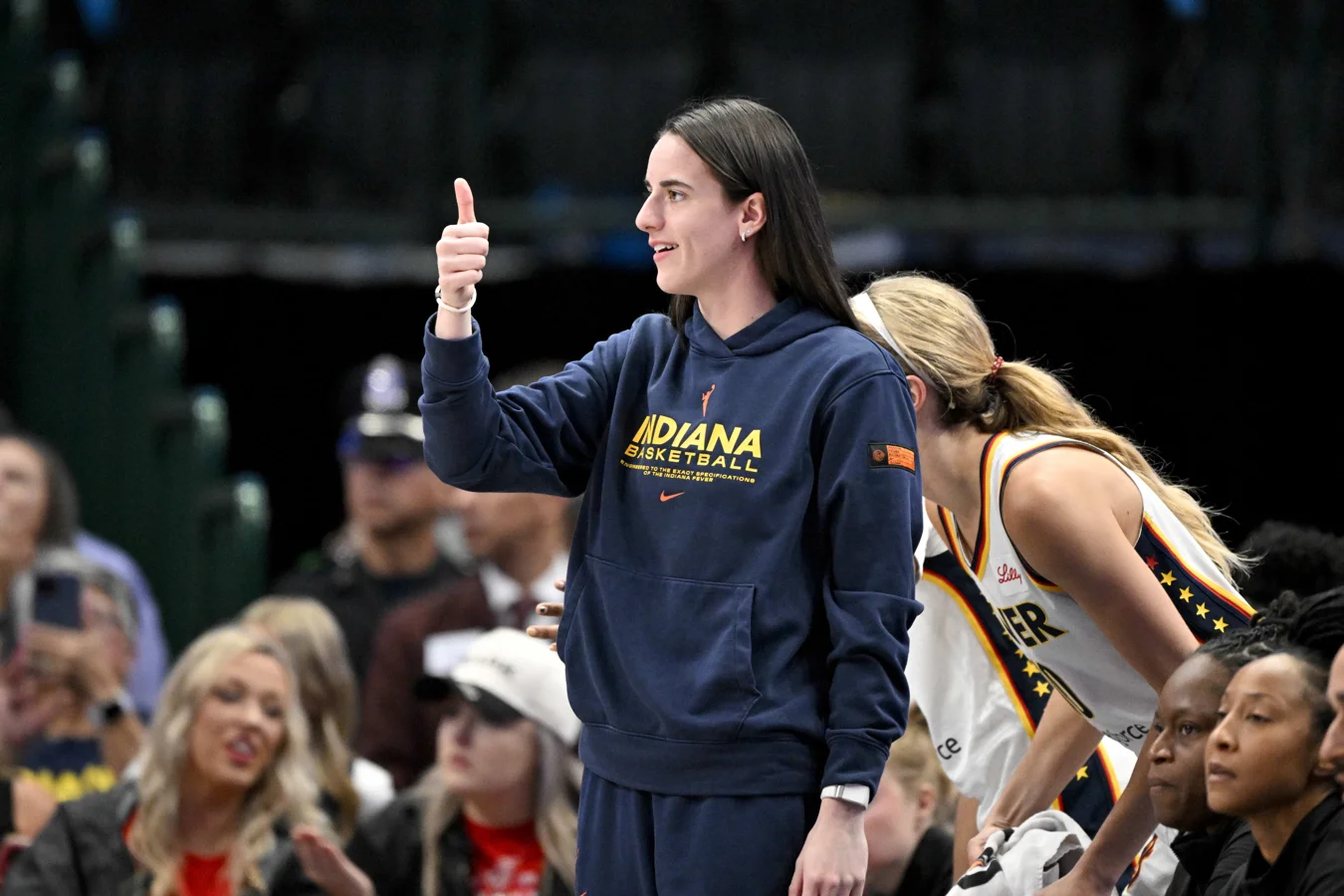
Ms. Clark’s targeting may reflect a culture of disparate treatment, and the evidence provides reasonable cause for a federal probe into potential civil-rights violations,
he writes.
This would mirror the Equal Employment Opportunity Commission investigation into Dearica Hamby’s pregnancy discrimination claims against the WNBA and her team. Congress and the Labor and Justice departments would be justified in examining the facts.
Criticism of McLean’s Perspective and Its Effects on Clark
Despite McLean’s demands, his viewpoint has been met with skepticism. Caitlin Clark herself reportedly does not want federal involvement in league matters. Critics argue that such public calls may actually worsen Clark’s challenges on the court.
This kind of aggressive treatment is not new to young sports stars; for example, NHL star Sidney Crosby faced similar targeted actions early in his career. Additionally, McLean’s formal reference to Clark as “Ms. Clark” comes across as overly legalistic and patronizing, treating her like a victim in a legal case rather than an athlete.
Observers suggest that outside commentators who do not genuinely support Clark may, in fact, aggravate the situation by speaking on her behalf and painting the league and its players negatively. Some believe that true support for Clark would come from allowing her to manage her career without unsolicited intervention.
The Wider Impact and Next Steps for the WNBA
The controversy highlights significant tensions within the WNBA regarding player safety and fair treatment. With ratings affected by Clark’s absences, the league faces pressure to address the fouling concerns to protect its marquee player and the sport’s image. How the league responds to these criticisms and whether federal authorities pursue any investigation remains to be seen, but the situation underscores the precarious position of athletes navigating physical risks while maintaining competitive careers.