
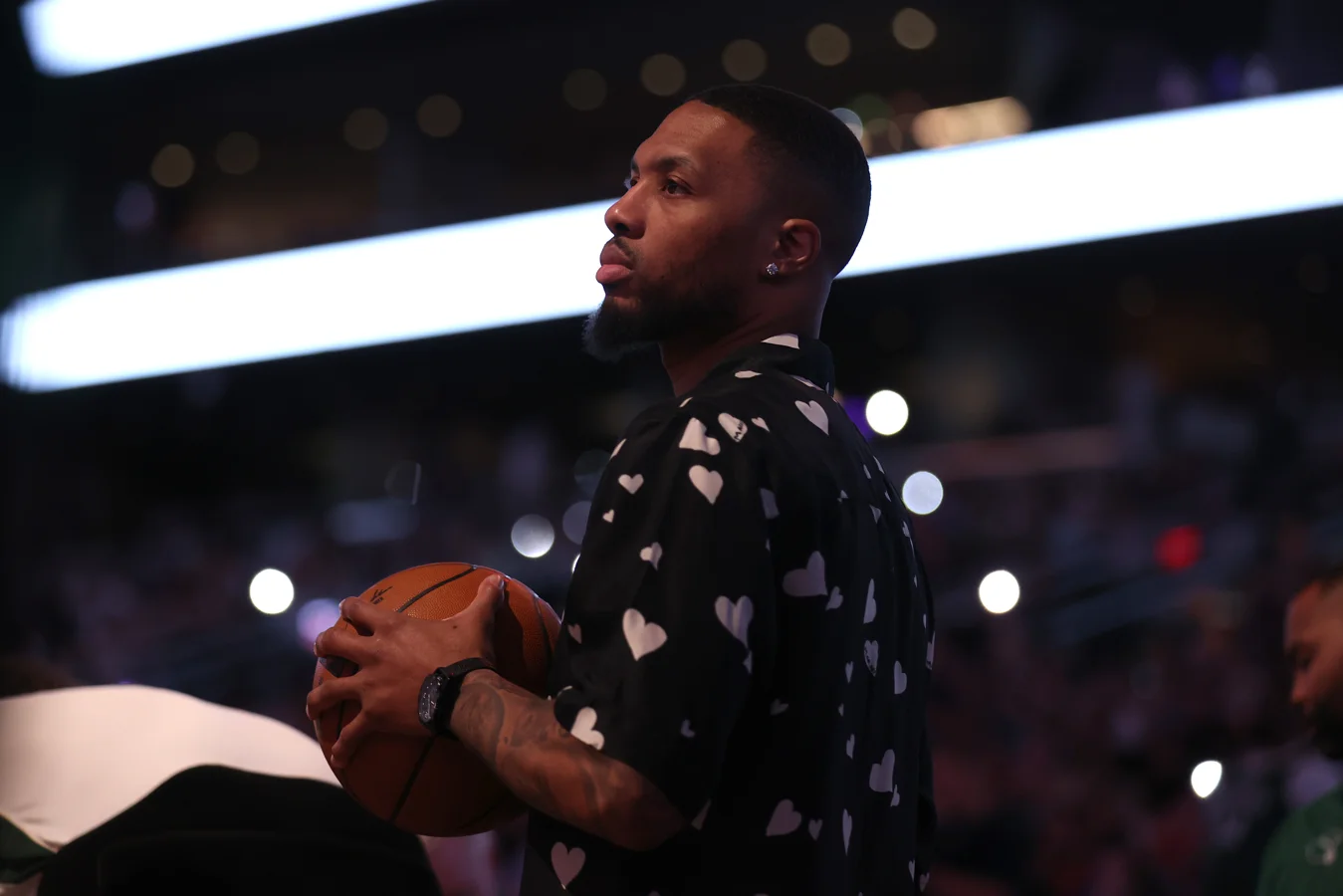

The Cleveland Cavaliers have quietly strengthened their roster by acquiring Lonzo Ball from the Chicago Bulls during the offseason. This move is expected to boost the team’s playmaking and defensive abilities off the bench. However, the organization is considering a cautious approach to Ball’s minutes during the regular season to ensure he remains well-rested for the playoffs, highlighting their focus on Lonzo Ball Cavaliers Playoff Management.
Balancing Lonzo Ball’s Health and On-Court Impact
Reports indicate that the Cavaliers are contemplating limiting Ball’s participation in back-to-back games and managing his workload during stretches with multiple games in a short period. As Chris Fedor of Cleveland.com explained during Wine and Gold Talk, the team is aware of the need to “be cognizant” of how many games Ball plays in sequences like three games in four nights or five games in seven nights to preserve his health.
“I know that the Cavs are having conversations as an organization about no back-to-backs for Lonzo Ball,” —Chris Fedor, Cleveland.com Analyst
“If it’s three games in four nights, be cognizant of that when it comes to Lonzo. If it’s five in seven, be cognizant of that when it comes to Lonzo.” —Chris Fedor, Cleveland.com Analyst
Lonzo’s ability to influence the game with his athleticism and high basketball IQ makes him a crucial asset for Cleveland. Yet, his extensive injury history, particularly a knee injury that limited him to only 35 games over the past three seasons, has made the Cavaliers cautious about overextending him.
Implications for the Cavaliers’ Season and Rotation
While the team prioritizes Lonzo’s availability for the postseason, this planned workload management raises questions regarding the backup point guard role when Ball is sidelined. The Cavaliers must identify which players will step into the position on nights Lonzo rests, ensuring the team’s backcourt remains stable without compromising defensive or offensive performance.
By potentially limiting Ball’s regular-season minutes to around 70 percent of games, the Cavaliers aim to maximize his effectiveness in critical moments during the playoffs. This strategy reflects the organization’s long-term approach to sustaining competitiveness while mitigating injury risks for their key players.