
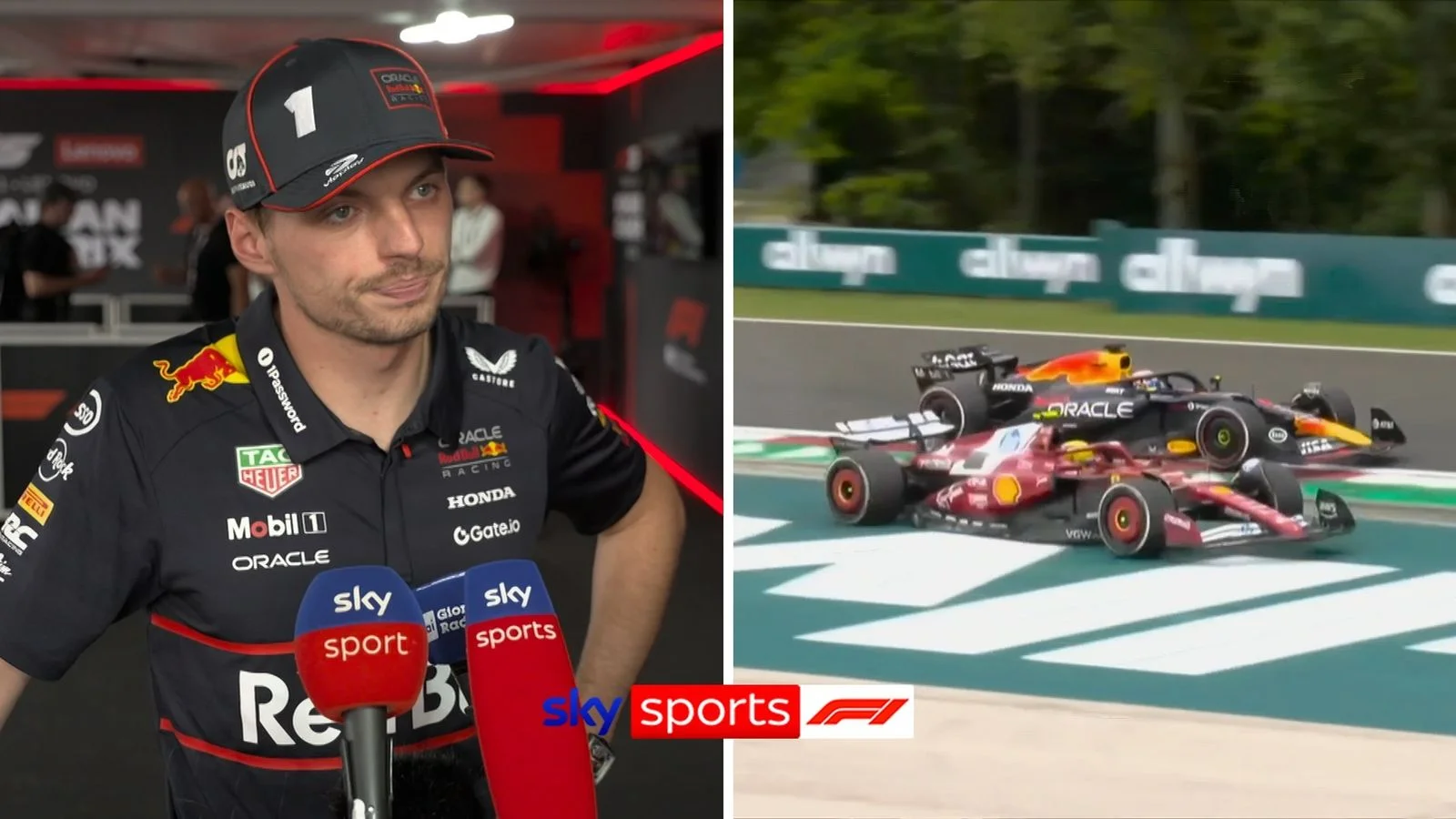

The intensifying Max Verstappen Sky Sports controversy reached a new nadir following the Hungarian Grand Prix, where accusations against Verstappen over a collision with Lewis Hamilton were not only unfounded but also damaging to Formula 1’s integrity. On August 3, 2025, during the race at the Hungaroring in Mogyoród, Hungary, Sky Sports persistently pushed a narrative that Verstappen’s passing move on Hamilton warranted a penalty, despite clear evidence to the contrary.
This heated dispute grows from a sustained pattern of alleged bias by Sky Sports against Verstappen, which has been evident since 2021. The Dutch driver himself has previously distanced himself from the broadcasting outlet, citing unfair commentary like the 2023 remarks on his tire management and criticism during the 2024 Brazilian Grand Prix. The Hungary incident signals a further descent into baseless and inflammatory coverage.
Dissecting the Alleged Verstappen-Hamilton Collision at Turn Four
During Lap 30 of 70 at the Hungaroring, Verstappen overtook Hamilton approaching turn four. Importantly, Verstappen was not parallel or alongside Hamilton as he made the move; instead, Hamilton had gone wide and momentarily left the track, which allowed Verstappen to seize the opportunity and pass without any close proximity or contact.
LAP 30/70Hamilton has to run wide as Verstappen goes on the charge at Turn 4 – that was close! ð°Verstappen up to P11 â¬ï¸#F1 #HungarianGP pic.twitter.com/sz0q57Nrpuâ Formula 1 (@F1) August 3, 2025
Sky Sports commentators insisted Verstappen should receive a penalty on the grounds that he was not alongside Hamilton and suggested contact had to have occurred. However, live footage contradicted these claims, with no sign of contact visible in the crucial corner. The logic behind a penalty based on Verstappen not being alongside Hamilton is flawed, as an overtaking driver must be careful not to force others off the track, but in this case, Verstappen only capitalized on Hamilton’s mistake of running wide.
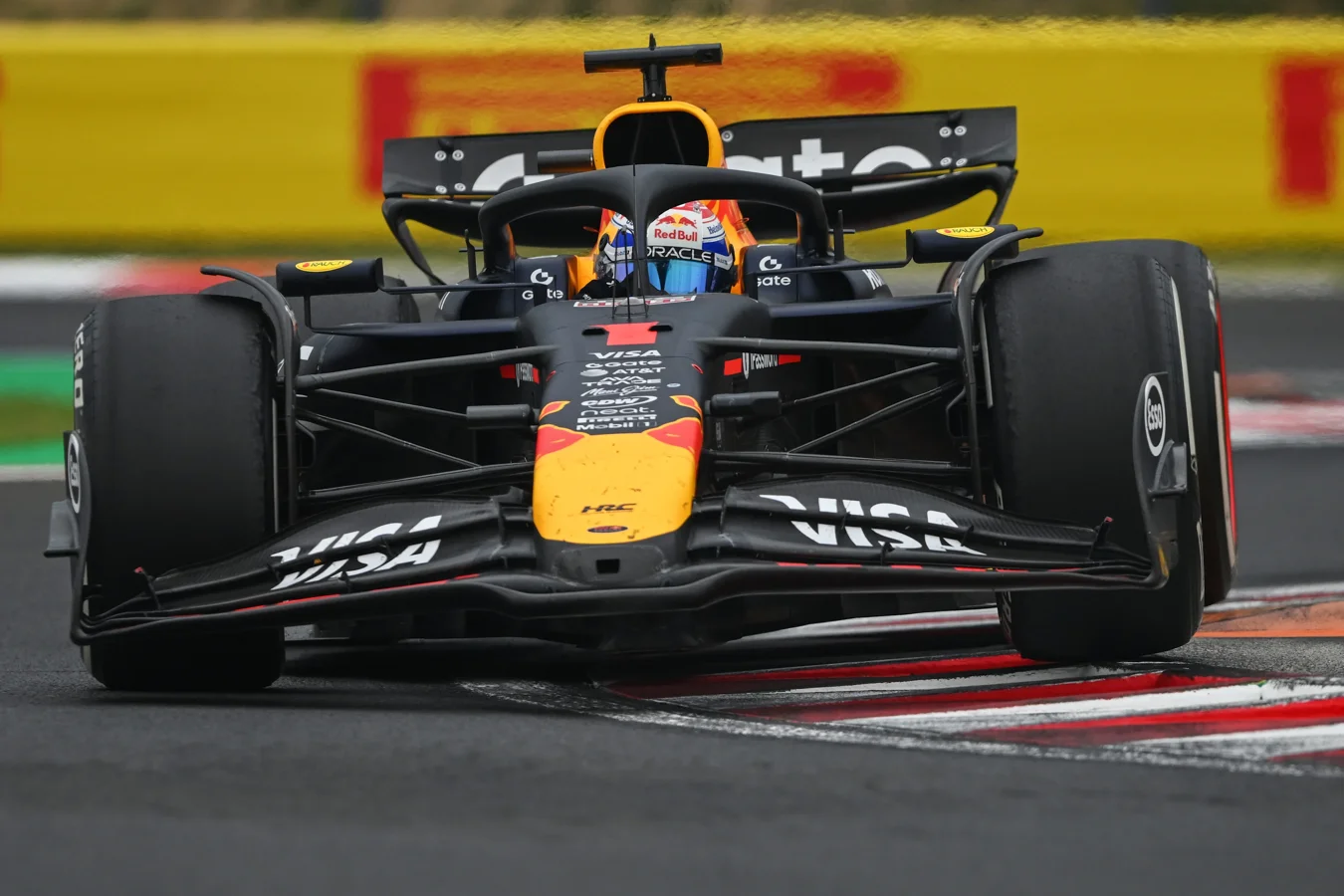
Sky’s narrative implied that Hamilton could not have left the track unforced, insinuating Verstappen’s car pushed him away. This accusation was unfounded and caused further controversy. Moreover, Sky’s decision not to show onboard footage from either driver during the key moment raises questions about their transparency and intention.
Contradictions and Official Responses to the Stewards’ Involvement
SkyF1’s Crofty and Anthony wanted a penalty for Max Verstappen, claiming he hit Lewis and pushed him off the track.However, Lewis said nothing about it on the radio, later claimed he couldnât even remember the incident and didnât appear in the stewardsâ room.A Ferrari rep⦠pic.twitter.com/pHvjfNKH7nâ MV33Racingð (@MV33Racing) August 3, 2025
Despite Sky’s fervent calls for a penalty, Hamilton did not report any issues on the team radio during the race and later admitted he did not recall the incident. Furthermore, Hamilton chose not to attend the stewards’ hearing, instead represented indirectly by a Ferrari team representative who confirmed that Hamilton had simply run wide without external force.
No further action on Verstappen and Hamilton at Turn 4.Hamilton opted not to attend the hearing, with a Ferrari rep saying he chose not to stay on trackVerstappen said he could have stayed tighter to the inside and chose to use all the track because Hamilton went wide #F1â Chris Medland (@ChrisMedlandF1) August 3, 2025
The stewards concluded there was no infringement, clearing Verstappen of any wrongdoing. Verstappen himself acknowledged that he could have stayed closer to Hamilton but deliberately used the entire track since Hamilton was already off it. This decision further disproves Sky Sports’ arguments demanding a sanction.
Verdict stewards n.a.v. moment Verstappen-Hamilton: no further action. Verstappen begreep al niet waarom hij nog ná de race naar de stewards moest. Hamilton was daar overigens niet bij. #F1â Erik van Haren (@ErikvHaren) August 3, 2025
I am crying they got Hamilton and Verstappen into the stewards room and Lewis said he doesn’t even remember it ðððâ Laura ð¦ @ Hungaroring!! ððº (@formuLau16) August 3, 2025
Longstanding Bias and Its Effects on Formula 1 Commentary
The repeated, one-sided critical coverage against Verstappen by Sky Sports commentators has drawn widespread attention and criticism. This alleged partiality has transformed from occasional complaints into a sustained pattern of what many describe as partisan broadcasting. Before 2021, Verstappen’s coverage was generally balanced, but since then, the intensity of negative commentary has escalated sharply.
Critics argue that the Sky Sports booth resembles unprofessional cheerleading, particularly when Verstappen dominates races or outperforms their favored drivers. The biased coverage not only distorts viewer perception but also undermines the principles of objective sports journalism.
Attempts from Sky Sports personnel to deny any prejudice have been met with skepticism, as their repeated insistence on penalizing Verstappen on doubtful accusations weakens their credibility. This controversy highlights the broader issue of maintaining impartiality in high-profile sports broadcasting.
Implications of the Hungary Grand Prix Incident and Future Outlook
The false allegations against Verstappen at the Hungarian Grand Prix have sparked heated debate within the Formula 1 community and among fans worldwide. Such unfounded claims threaten to erode trust between broadcasters, teams, and the audience, risking unnecessary polarization between drivers and fans.
With Verstappen and Hamilton among the sport’s elite, focusing on inconsequential battles for mid-pack positions, as seen in this case, adds to the confusion and disappointment surrounding the current racing narrative. The controversy also places a spotlight on the importance of evidence-based commentary and responsible media conduct.
Moving forward, demands for accountability and objectivity in F1 broadcasting will likely increase, especially from fans who seek transparency and fairness. The Verstappen Sky Sports controversy at the Hungarian GP serves as a case study of how biased reporting can spiral into misinformation, underscoring the need for professionalism in sports media.