
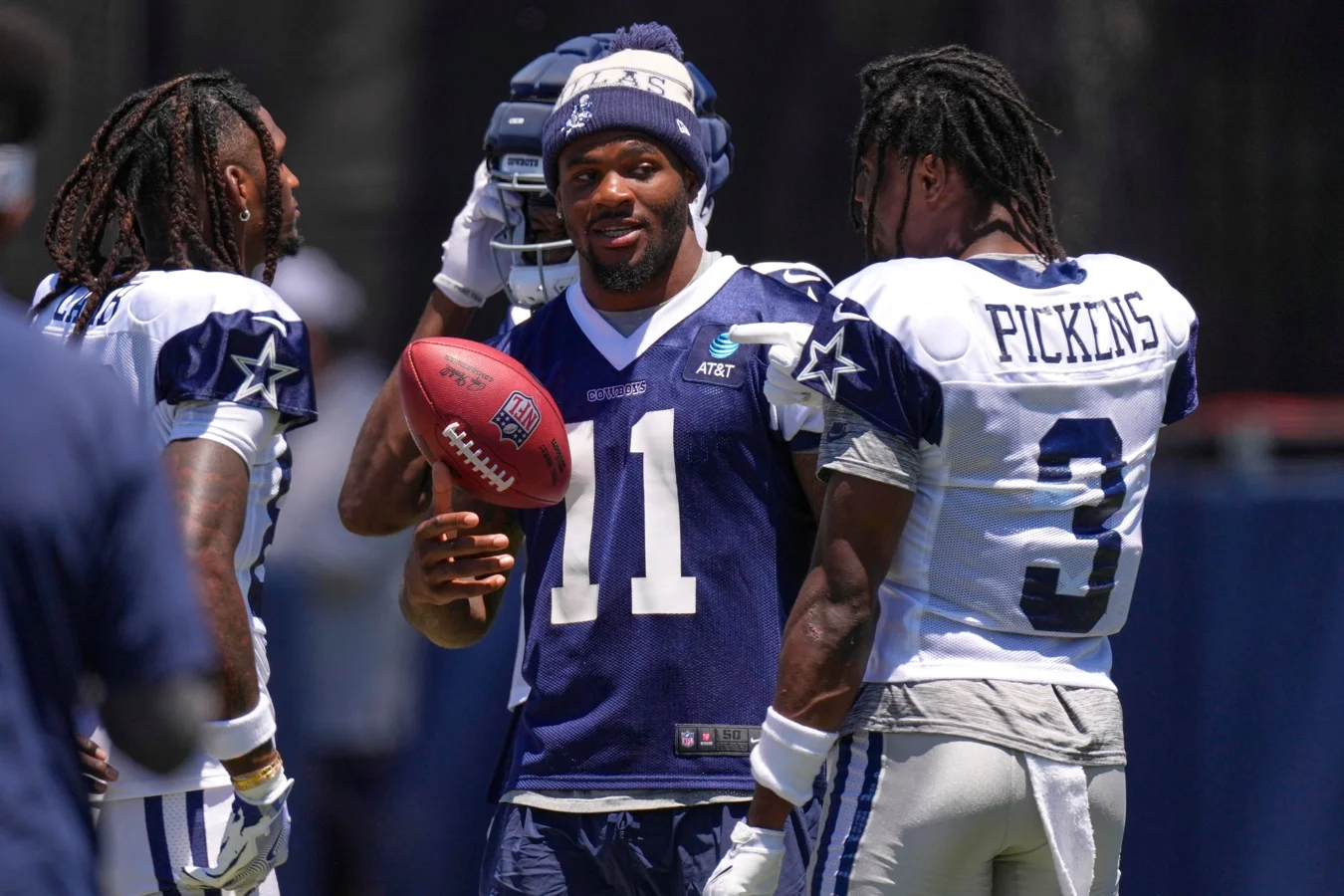

Dallas Cowboys owner Jerry Jones is defending the team’s cautious handling of the ongoing Micah Parsons contract extension dispute, invoking the franchise’s history with player holdouts. With tensions rising, Jones recalled how the Cowboys navigated a similar situation in 1993 when star running back Emmitt Smith held out before ultimately helping the team secure a Super Bowl championship.
This strategy underscores why Dallas is not rushing negotiations despite Parsons’ growing impatience. Jones pointed to previous instances involving other key players, emphasizing that delayed talks do not necessarily derail team success.
“It took a long time with Emmitt Smith,” Jones replied when asked about the extended Parsons negotiations, according to USA TODAY.
“Same thing with (Zack) Martin two years ago. (CeeDee) Lamb last year. When you have the ability for players under contract to basically renegotiate or say, ‘I’m not going to play the contract,’ then you have those things happen.”
Micah Parsons’ Growing Frustration and Contract Standstill
The contract situation has reached a critical point as Parsons, a two-time All-Pro linebacker regarded as one of the NFL’s most disruptive defenders, publicly expressed frustration through a cryptic social media message Friday, which some interpreted as a trade demand. Though formal talks between the Cowboys and Parsons’ agent have not been reported, the linebacker’s visible dissatisfaction grows amid a rapidly escalating market for elite pass rushers.
Parsons remains under Dallas’ control through the 2025 season with his fifth-year option set to raise his salary above $24 million. However, with top-tier defenders like T.J. Watt earning average annual salaries nearing $41 million, Parsons is eager to secure a deal that reflects his value without waiting for free agency.
Comparing Parsons’ Hold-in to Previous Notable Contract Negotiations
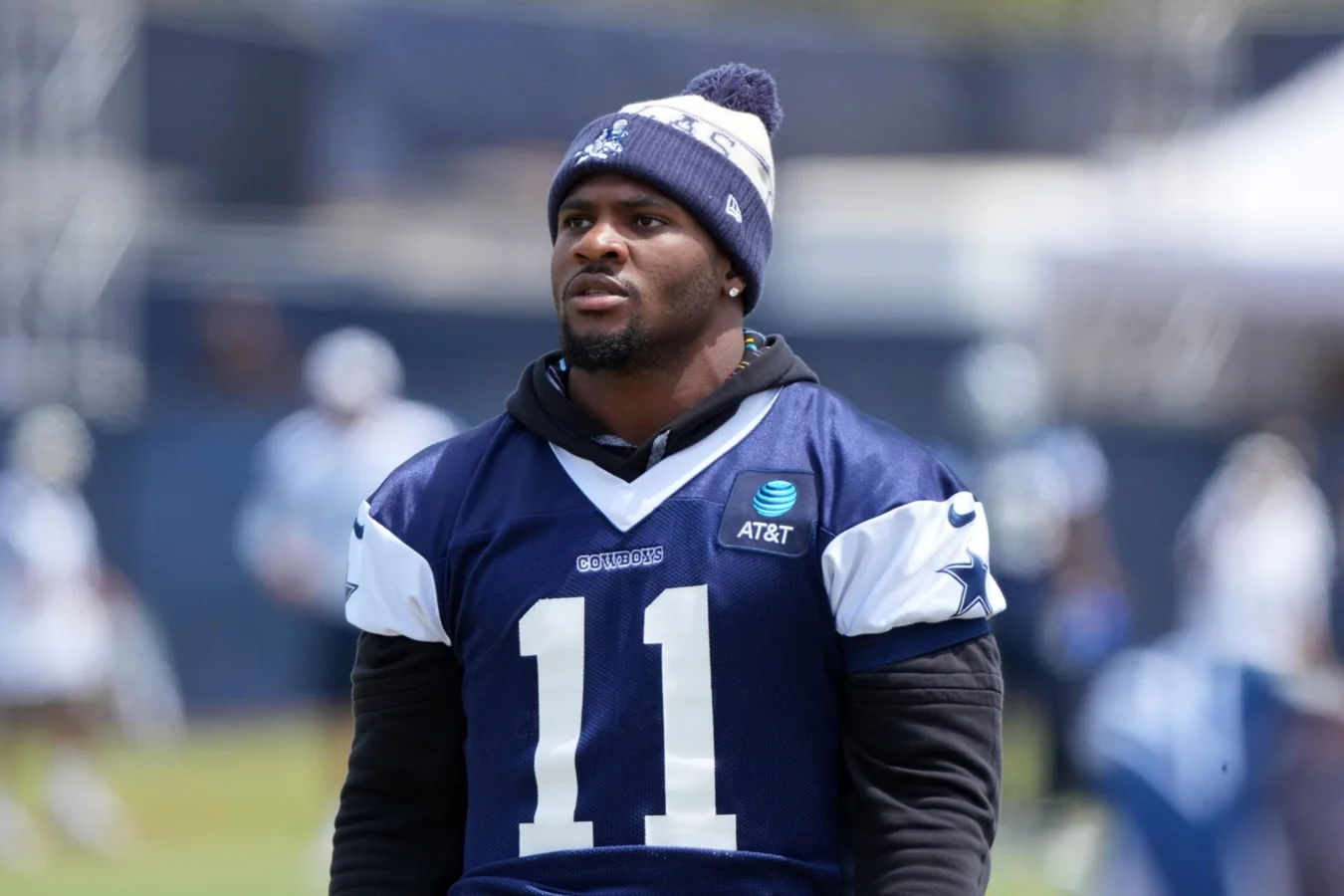
Jerry Jones’ reference to Emmitt Smith’s 1993 holdout is not merely nostalgic. That year, the Cowboys started the season 0-2 while Smith remained sidelined, but after his eventual signing, the team surged to claim the Super Bowl title. Jones sees parallels in the current circumstances involving Parsons, who has reported to camp but is not taking part in on-field practices, a tactic known as a hold-in that allows players to exert leverage without risking contract fines.
“It’s almost akin to an option quarterback,” Jones said. “He can step out, he can either hand it to that guy going down the line, or he can come on out and keep it, or he can pitch it. Three different things. The longer you give him to get to the sideline, the better chance you’ve got to make the better play.”
This analogy highlights Jones’ view that patient, strategic waiting can yield the best outcome, and he reassured fans not to be alarmed by Parsons’ public frustration during media sessions. The Cowboys reportedly have multiple options available to retain Parsons, including potential franchise tags that would extend their control over him through 2027.
The Impact of Dallas’ Deliberate Negotiation Approach
Jones’ comments reveal a deeper confidence in the Cowboys’ contract negotiation philosophy, rooted in long-term planning rather than reacting impulsively to player demands. While Parsons’ stance introduces a sense of tension and uncertainty, the organization believes that patience has proven successful in the past, even when star players have delayed signing.
As the NFL offseason progresses, how this dispute develops will be closely watched, especially given Parsons’ rising stature and the escalating salaries of elite defenders. The Cowboys’ handling of this contract extension could serve as a blueprint for future negotiations in a league where player holdouts and contract talks frequently dominate headlines.