
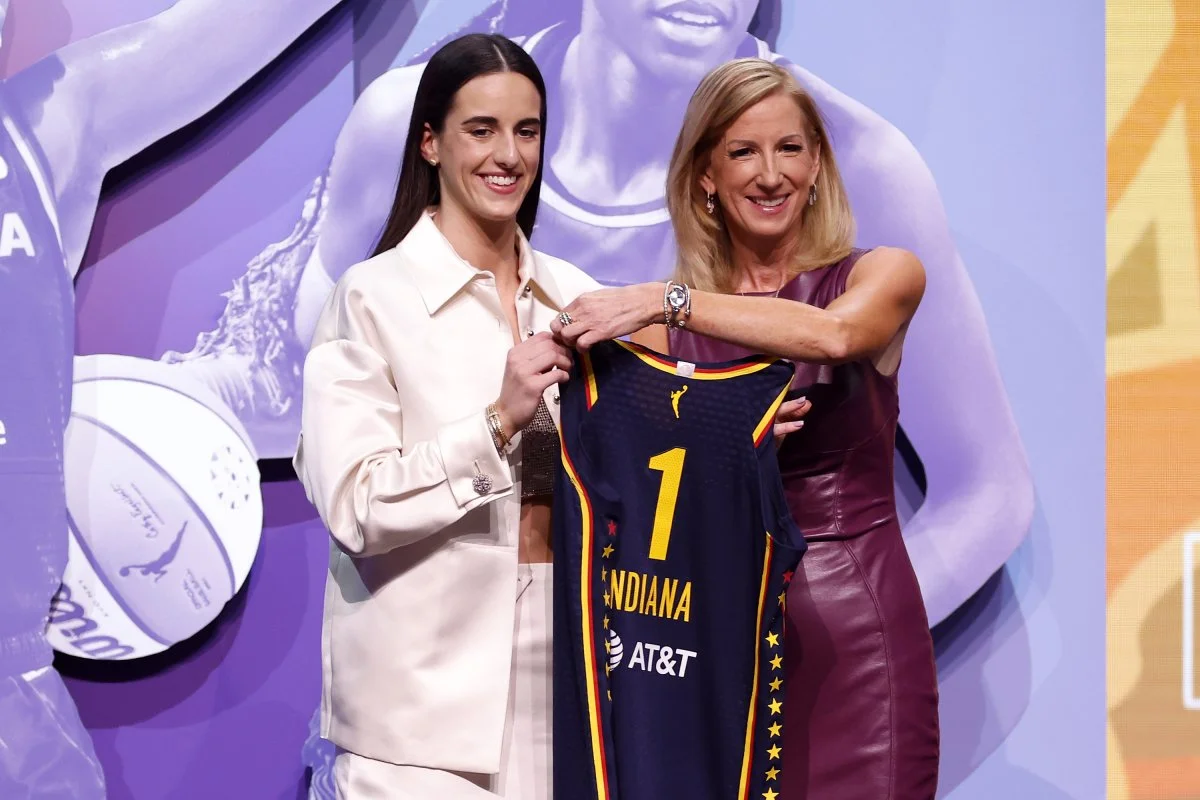

ESPN commentator Stephen A. Smith issued a strong warning to the WNBA regarding ongoing issues with the physicality faced by Indiana Fever star Caitlin Clark, emphasizing that the league’s failure to address these concerns could trigger a federal investigation. Prompted by a recent Wall Street Journal piece calling for government intervention because of hostile treatment towards Clark, Smith underscored the likelihood of congressional scrutiny if injustices persist.
Smith remarked that official recognition and action are overdue given Clark’s impact on the league and the suspicious disparity in how physical fouls against her are handled compared to other players.
Details Surface on Unchecked Physicality and Hostile Environment Surrounding Clark
The Wall Street Journal article by Sean McClean documented several troubling examples where Caitlin Clark has been subjected to excessive fouling, targeting, and negative commentary by players and team owners alike without adequate league response. This hostile environment is further compounded by inconsistent officiating that seemingly allows opponents to intimidate Clark without consequence.
One viral incident involved Marina Mabrey shoving Clark to the ground after a dead ball, an action deemed neither a legitimate basketball play nor appropriately penalized by referees alike, according to social media screenshots shared by Clark supporters.
McClean tied these concerns to precedent cases, such as the 1981 Supreme Court ruling in Texas Dept. of Community Affairs v. Burdine, which clarified that Title VII of the Civil Rights Act requires investigation when employees face unequal treatment. This legal framework was presented as a potential basis for examining whether Clark is being discriminated against or retaliated upon within the WNBA.
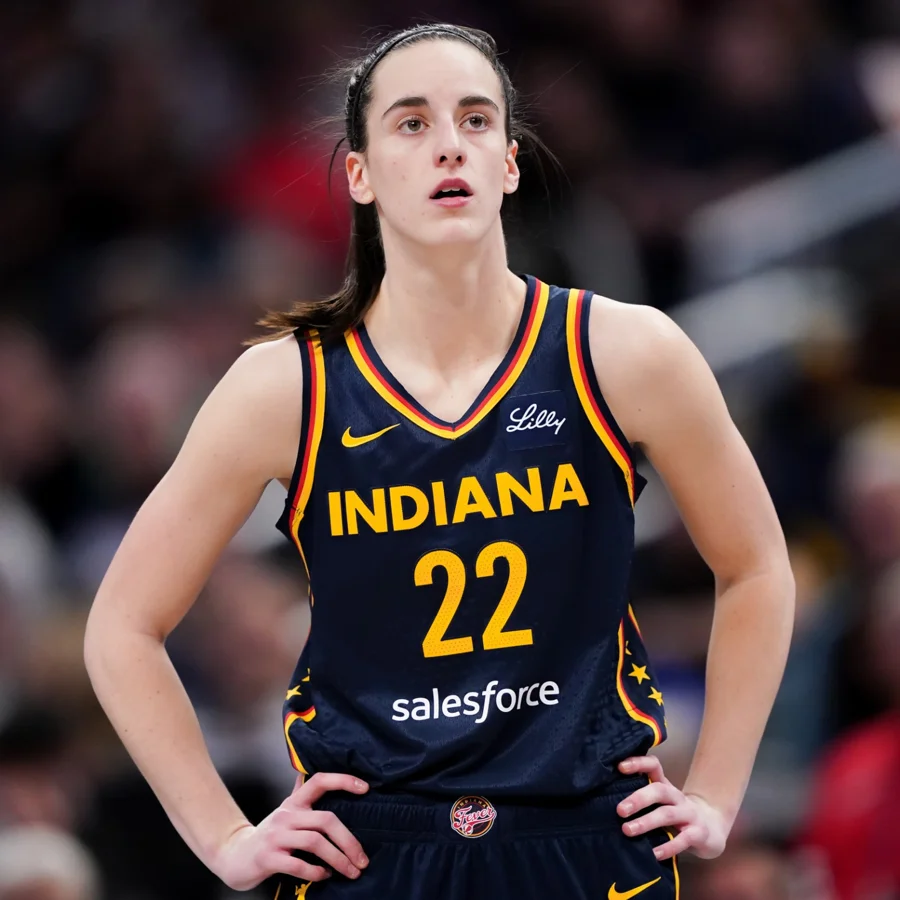
Voices Within the Basketball Community Back Calls for Change
Several prominent figures expressed support for Clark and criticized the league’s lack of protective measures. NBA legends Rick Barry and George Gervin highlighted Clark’s remarkable contributions, underscoring that her presence is valuable not only to the Fever but to the entire league. Barry and Gervin suggested that opponents and even teammates fail to fully appreciate her impact, which is met with unnecessary hostile physical play.
Clark’s teammates and analysts reinforced these observations. Sophie Cunningham described Clark as
“the star player of the league”
who is not adequately shielded during games, while ESPN analyst Rebecca Lobo stated emphatically that
“every single one of [those plays against Caitlin Clark] has been a foul.”
Stephen A. Smith Calls for Concrete Measures to Protect Clark and Similar Athletes
In his commentary, Smith stressed to the WNBA that ignoring this issue will have consequences beyond internal disputes. Smith speculated that former President Donald Trump might leverage the controversy to galvanize his supporters by portraying it as a civil rights failure, which could escalate into a formal federal probe.
Smith urged the league to adopt transparent mechanisms, specifically recommending that the WNBA implement “Last Two-Minutes Reports,” a practice already used by the NBA to review officiating in critical moments of close games. He argued this would bring better accountability and ensure fair treatment not only for Clark but all players.
Smith’s forthright call to action warns the WNBA that the issue has reached a critical juncture, demanding immediate reform to avoid legal escalation and public relations damage.
Implications for the WNBA and Future of the League
The debate over Caitlin Clark’s treatment reflects broader concerns about player safety, equality, and leadership within the WNBA. Should the Department of Justice’s Civil Rights Division decide to intervene based on the evidence of hostile work conditions and discrimination, it would mark a watershed moment for women’s professional basketball, setting precedents for how physicality and conflict are managed on and off the court.
With media pressure mounting, including from influential voices like Smith and major outlets such as the Wall Street Journal, the league faces heightened scrutiny regarding its commitment to fairness and athlete protection. The outcome of this situation may influence not only policy changes within the WNBA but also how player welfare issues are prioritized across all professional sports.