
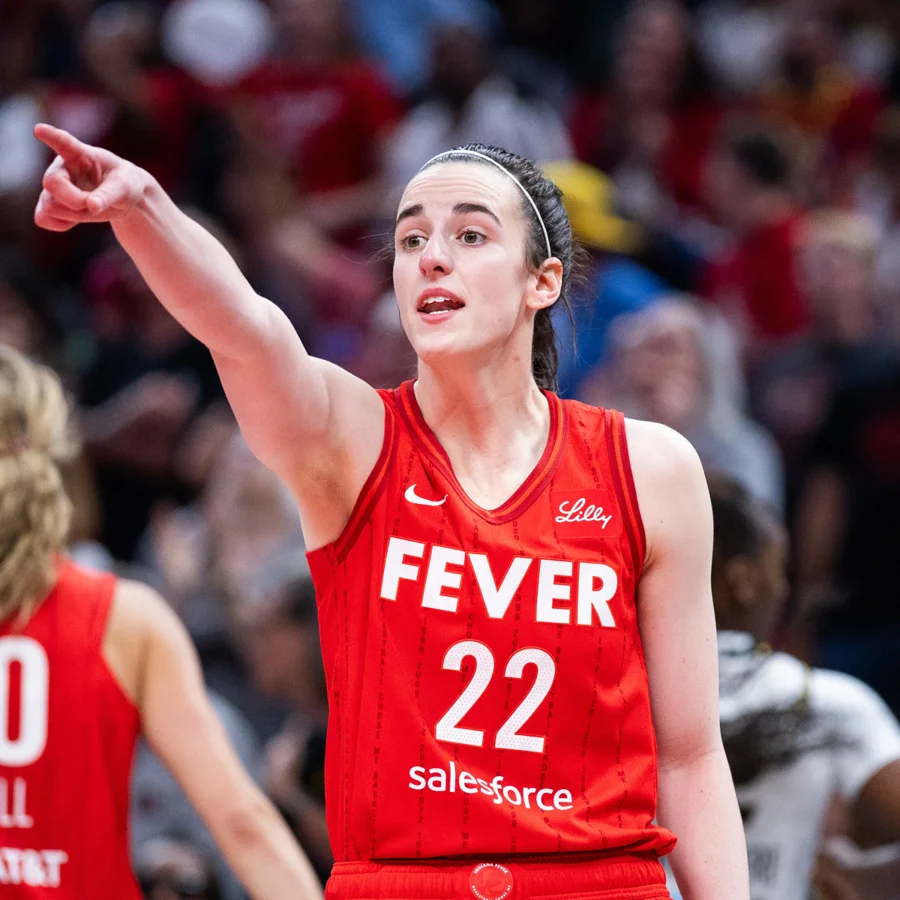

The WNBA trade deadline is a crucial moment for teams aiming to secure a championship run, and this year presents unique opportunities. As the deadline approaches, front offices face tough choices: commit fully to a title push or prepare for the future. A series of strategic trades focused on strengthening around Caitlin Clark could significantly enhance Indiana’s chances this season.
Satou Sabally’s Arrival Could Elevate Indiana’s Attack
Indiana Fever agreed to acquire Satou Sabally from the Phoenix Mercury in exchange for Natasha Howard and a future first-round pick. Sabally offers a rare combination of size, ball-handling, shooting, and defensive versatility that aligns well with Indiana’s needs, especially once Caitlin Clark is healthy. Her ability to create scoring opportunities both in the post and on the perimeter complements Clark’s driving style, offering more spacing and a threat that can punish defenses stretching to stop Clark’s penetration.
Sabally’s presence also reduces pressure on Aliyah Boston by helping to stretch defenses and cover multiple positions on defense. With a short-term contract that can be extended if the fit proves successful, Indiana gains a valuable asset without sacrificing their financial flexibility. This move mirrors other successful WNBA model trades aimed at building around a star player with a strong supporting cast.

For Phoenix, the trade provides an experienced veteran in Natasha Howard to bolster defensive toughness and rebounding, along with a future draft asset. Sabally’s recent benching and uncertain status with the team made this trade a pragmatic decision for the Mercury to gain value rather than risk losing her for nothing in free agency.
Atlanta Dream Adds Sharp Shooter Rachel Banham for Playoff Push
The Atlanta Dream strengthened their roster by acquiring Rachel Banham from the Chicago Sky, sending Maya Caldwell, Taylor Thierry, and a future second-round pick to Chicago. Banham’s deep shooting accuracy and off-ball movement fit seamlessly with Atlanta’s attack, giving them more firepower alongside stars Rhyne Howard and Jordin Canada. As a key bench scoring threat with a quick release, Banham helps maintain the team’s offensive flow when starters rest, sustaining pressure on opposing defenses.
In transition, Banham’s spot-up shooting spaces the floor and opens lanes for Atlanta’s guards and wings. Her veteran experience is expected to boost the Dream’s composure in high-stakes games and improve late-season performance, which is vital for a team eyeing a higher playoff seed.
For Chicago, this trade marks a shift toward youth development and cap management. Banham’s role was limited due to inconsistent spacing in Chicago, and moving her frees salary and minutes for younger talents Caldwell and Thierry, who offer defensive versatility and athleticism. The added second-round pick also enhances Chicago’s ability to reshape their squad for the future.
Seattle Storm Gains Versatile Scorer Marina Mabrey
The Seattle Storm acquired Marina Mabrey from the Connecticut Sun in exchange for two 2026 first-round picks and veteran players. Seattle currently balances competitiveness with youth, holding a 16-13 record but struggling with defensive rebounding and wing depth. Mabrey’s proven scoring at all levels and tenacious play will address Seattle’s critical needs in perimeter offense and backcourt rebounding, supporting stars Skylar Diggins-Smith, Nneka Ogwumike, and rookie phenom Dominique Malonga.
Mabrey’s size and energy in guarding and crashing the glass improve Seattle’s second-chance defense, while her shooting ability enhances spacing and pick-and-roll dynamics. Integrating her now allows Coach Noelle Quinn to build team chemistry ahead of the playoffs, blending veteran leadership with young talent.
For Connecticut, trading Mabrey for high-value picks and salary relief represents a clear move toward rebuilding beyond the current season. This exchange underscores Seattle‘s commitment to a “win-now” approach while maintaining flexibility to compete long-term, leveraging the prime years of their star players.
Rebecca Allen Joins Seattle to Strengthen Offensive Depth
In a separate deal, Seattle added wing Rebecca Allen from the Chicago Sky, sending Alysha Clark and a future second-round pick to Chicago. Seattle’s defense remains formidable, but their offense ranks ninth in points and three-pointers made. Allen’s elite floor spacing, shooting, and defensive versatility directly address these shortcomings without disrupting Seattle’s defensive chemistry.
Standing 6’2″, Allen’s ability to stretch defenses and cut effectively complements Seattle’s core players, particularly Diggins and Ogwumike. Her experience adapting quickly to new teams makes her an ideal midseason addition. On defense, her length and agility suit Seattle’s switching system, allowing her to guard multiple positions while creating transition opportunities.
For Chicago, this trade aligns with rebuilding efforts and cap management. Alysha Clark’s veteran presence comes at a manageable cost, and the second-round pick provides additional future leverage. Allen offers Seattle a potent weapon for late-season and playoff matchups, potentially tipping close games in their favor as they pursue a title.
Indiana Adds Versatile Forward Myisha Hines-Allen to Strengthen Frontcourt
Indiana Fever’s potential acquisition of Myisha Hines-Allen from the Dallas Wings, sending Damiris Dantas and a second-round pick in return, exemplifies a subtle but impactful trade to enhance team depth. Known for her versatility, Hines-Allen can play inside, stretch the floor, and match Caitlin Clark’s fast-paced style. Although she recently lost her starting role in Dallas as the Wings focus on younger players, her skill set aligns well with Indiana’s immediate needs.
Hines-Allen improves upon Dantas with better three-point shooting, more mobility, and increased rebounding, adding flexibility to Indiana’s rotation. Her ability to play both the four and small-ball five positions allows Coach Stephanie White to optimize lineups to maximize Aliyah Boston and Natasha Howard’s strengths. On offense, Hines-Allen exploits defensive lapses created by Clark, and on defense, she provides capable pick-and-roll coverage and physicality.
This low-risk move strengthens Indiana’s frontcourt depth, enabling sustained energy and spacing during minutes when Boston or Howard rest. Dallas benefits by gaining a draft pick and veteran presence while managing their roster with an eye on future seasons. For the Fever, the addition enhances their readiness for a deep playoff run without disrupting team chemistry or salary cap structure.
Trade Deadline Moves Amplify Title Aspirations Centered on Caitlin Clark
The latest wave of WNBA trade activity clearly reflects teams’ willingness to make bold decisions ahead of the deadline, demonstrating their commitment to championship ambitions. Indiana Fever, powered by Caitlin Clark’s extraordinary talent, is reshaping its roster with savvy additions like Satou Sabally and possibly Myisha Hines-Allen, reinforcing both offensive firepower and defensive versatility. These moves create a balanced support system crucial for title contention.
Meanwhile, Seattle and Atlanta deploy calculated upgrades to shore up their respective weaknesses, targeting specific skill sets to enhance playoff positioning. Seattle’s pairing of Marina Mabrey and Rebecca Allen adds dynamic scoring and depth without sacrificing defensive integrity, while Atlanta’s acquisition of Rachel Banham introduces a sharpshooting element to maintain their playoff drive.
As the deadline passes, these trades will have significant repercussions on the competitive landscape. Teams that successfully integrate fresh talent around their stars stand to gain momentum, while others focus on long-term rebuilding. For Caitlin Clark and Indiana Fever, the key acquisitions may well transform their trajectory, expanding their championship potential in a league crowded with elite talent but separated by strategic roster construction.