
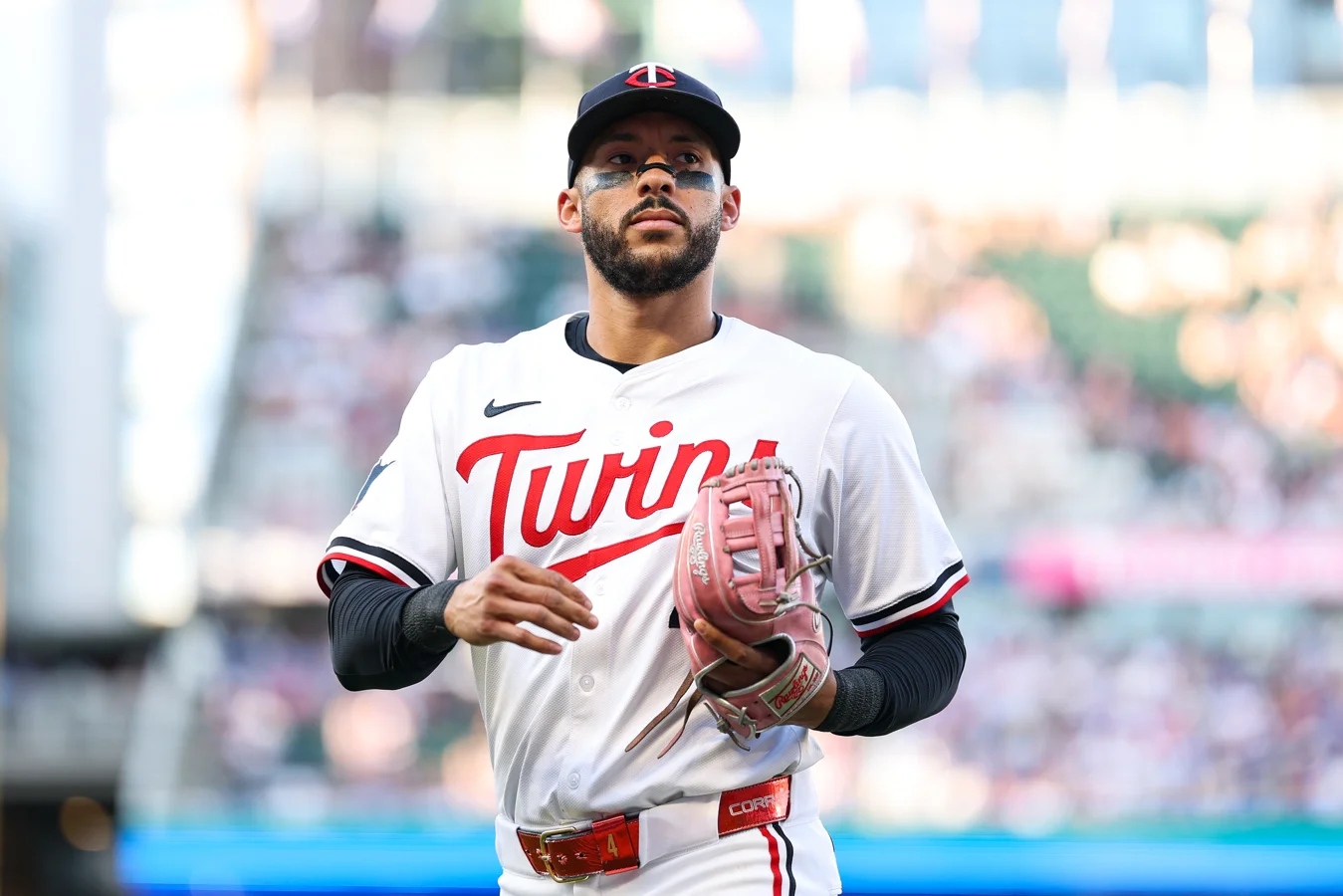

The San Francisco Giants traded Camilo Doval to the New York Yankees at the trade deadline, receiving Jesus Rodriguez, Trystan Vrieling, Parks Harber, and Carlos De La Rosa in return. This trade, made in late July 2024, reflects the Giants’ shift in focus toward rebuilding for future seasons. Evaluating this transaction, particularly the Camilo Doval Yankees trade grade, reveals a mixed outcome favoring New York.
Evaluating the Giants’ Decision to Trade Camilo Doval
Grading trades immediately after the deadline can often be misleading, as the full impact of such deals usually unfolds over several seasons. Still, the Giants’ offseason moves provide insight into their latest strategy and the implications of moving one of their top bullpen arms.
Trading Tyler Rogers to the Mets shortly before Doval’s deal signaled the Giants’ clear intention to prioritize the 2026 season and beyond. By trading two key relievers, the front office effectively declared itself in “sell mode,” moving away from competing in the current season. This departure from previous, less decisive trade deadlines marks a significant realignment in the Giants’ approach.
Positives in the Giants’ Approach to the Trade
One favorable aspect of the Giants’ decision was their ability to finalize a trade for Camilo Doval just before the deadline, responding to the strong market interest surrounding the 2023 National League All-Star closer. Doval, who still has two years of team control remaining beyond this season, was coming off a rebound campaign with a 3.09 ERA across 47 appearances, demonstrating his regained role as the Giants’ closer.
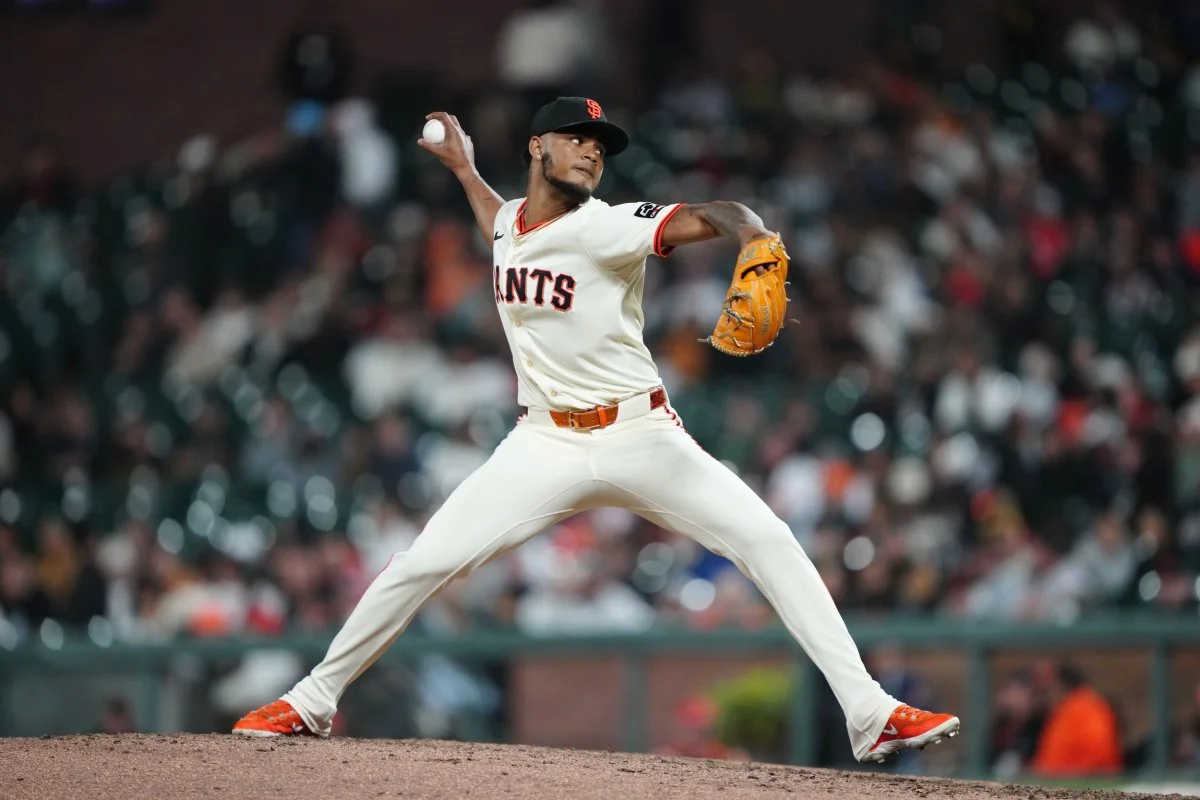
The timing of the trade suggests the Giants aimed to capitalize on Doval’s current performance level, acknowledging that relievers’ values can decline quickly if they struggle, as Doval had briefly done the previous year when he was demoted to Triple-A. By moving him at what might be his peak value over the next two years, the Giants acted rationally in minimizing risk.
Concerns and Drawbacks of the Trade Outcome
Despite the strategic clarity, the return for Doval has drawn criticism for favoring quantity over quality. The four prospects received by San Francisco reportedly lack the immediate impact or upside expected from a proven closer. This has led observers to conclude that the Yankees emerged with the better end of the deal, even though Doval faced challenges in his first outing after the trade.
Jesus Rodriguez appears to be the most prominent piece acquired, already part of the Giants’ 40-man roster and thus potentially contributing this season. Rodriguez’s profile is that of a contact-oriented right-handed hitter with a notably low strikeout rate of 15.2% and an elite in-zone contact rate of 91.4% over 396 plate appearances. These skills suggest above-average bat control and consistency.
However, Rodriguez’s offensive ceiling is tempered by a lack of raw power, as indicated by his modest average exit velocity of 87.8 MPH, limited pull power, and a high ground ball rate. His contributions are expected to come more from maintaining a strong batting average and creating extra bases rather than home run threat. Historically, his .308 average in six minor league seasons supports his ability to get on base, but the combination of limited power and a higher chase rate might challenge his success against major league defenses.
Defensively, Rodriguez has versatility, having played catcher, third base, and first base. Yet the Giants’ infield is unlikely to offer him a spot at third base due to Matt Chapman’s established presence. Additionally, Rodriguez’s bat profile makes first base a less suitable option, suggesting his long-term defensive positioning remains uncertain.
Among the other prospects, left-handed pitcher Carlos De La Rosa stands out as a potentially underrated asset. Signed for $400,000 in the 2025 international free agency cycle, De La Rosa is already ranked as the 24th prospect in the Giants’ system by <a href=”https://www.buzzineintl.com/category/baseball/mlb/”>MLB Pipeline. He posted a 5.32 ERA with 36 strikeouts and five walks over 22 innings in the Dominican Summer League, relying on a low-to-mid 90’s fastball complemented by a changeup and slider. His development could add future pitching depth for San Francisco.
Implications and Outlook Following the Trade
The Giants’ move to trade Doval effectively marks a commitment to rebuilding, accepting short-term losses in pursuit of a stronger future. Their willingness to exchange a frontline reliever for several prospects aligns with the broader strategy to develop young talent instead of competing immediately.
For the Yankees, acquiring a proven reliever like Doval, even with some recent struggles, provides immediate bullpen reinforcement. This trade reflects New York’s readiness to strengthen their major league roster for the current campaign.
Going forward, the primary measure of this trade’s value will depend on how quickly the Giants’ acquired prospects progress and whether Doval continues to perform effectively for the Yankees. Fans and analysts will watch Rodriguez’s offensive development closely, alongside De La Rosa’s pitching growth, to determine if the Giants’ modest return eventually compensates for losing a reliable closer.