Denny Hamlin highlights NASCAR racing issues, citing Next Gen car design and cultural shifts affecting competition and driver skill.
Chris Gabehart, former crew chief for Denny Hamlin and current competition director at Joe Gibbs Racing, has issued a stark warning about the state of NASCAR racing. Observing recent competitions, Gabehart believes two fundamental crises are eroding the sport’s competitive integrity, deeply affecting Denny Hamlin NASCAR racing issues and undermining what made the sport compelling.
How the Next Gen Car Design Is Undermining Close Competition
Gabehart pointed to the technical shortcomings of the Next Gen car, highlighting that its design has drastically shifted race dynamics. He emphasized the growing importance of track position, which the car’s aerodynamics currently favor, leading to fewer passing opportunities on many circuits. This shift has transformed NASCARraces from tests of driver skill into contests dominated by maintaining starting spots.
The car’s aerodynamics create significant problems due to “dirty air,” the turbulent airflow behind racing vehicles. When drivers try to pass, the loss of downforce from disrupted air makes overtaking extremely difficult on most tracks. The flat underbody of the Next Gen car produces downforce differently than prior models, but this effect drastically diminishes when a car moves out of the racing line.
This issue is especially pronounced on intermediate and short tracks, where limited racing lanes compound the problem. Denny Hamlin has openly criticized the development process, stating simply,
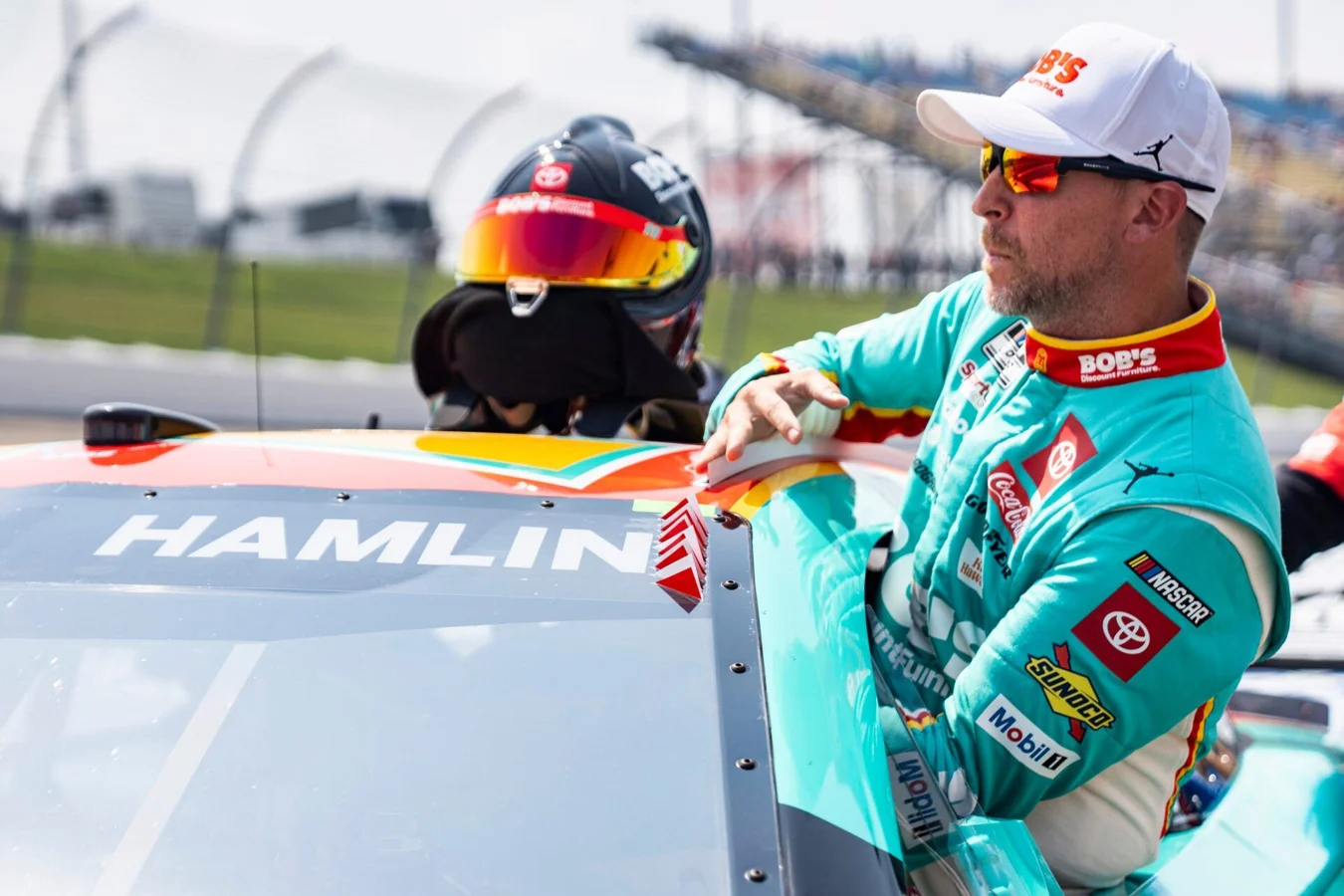
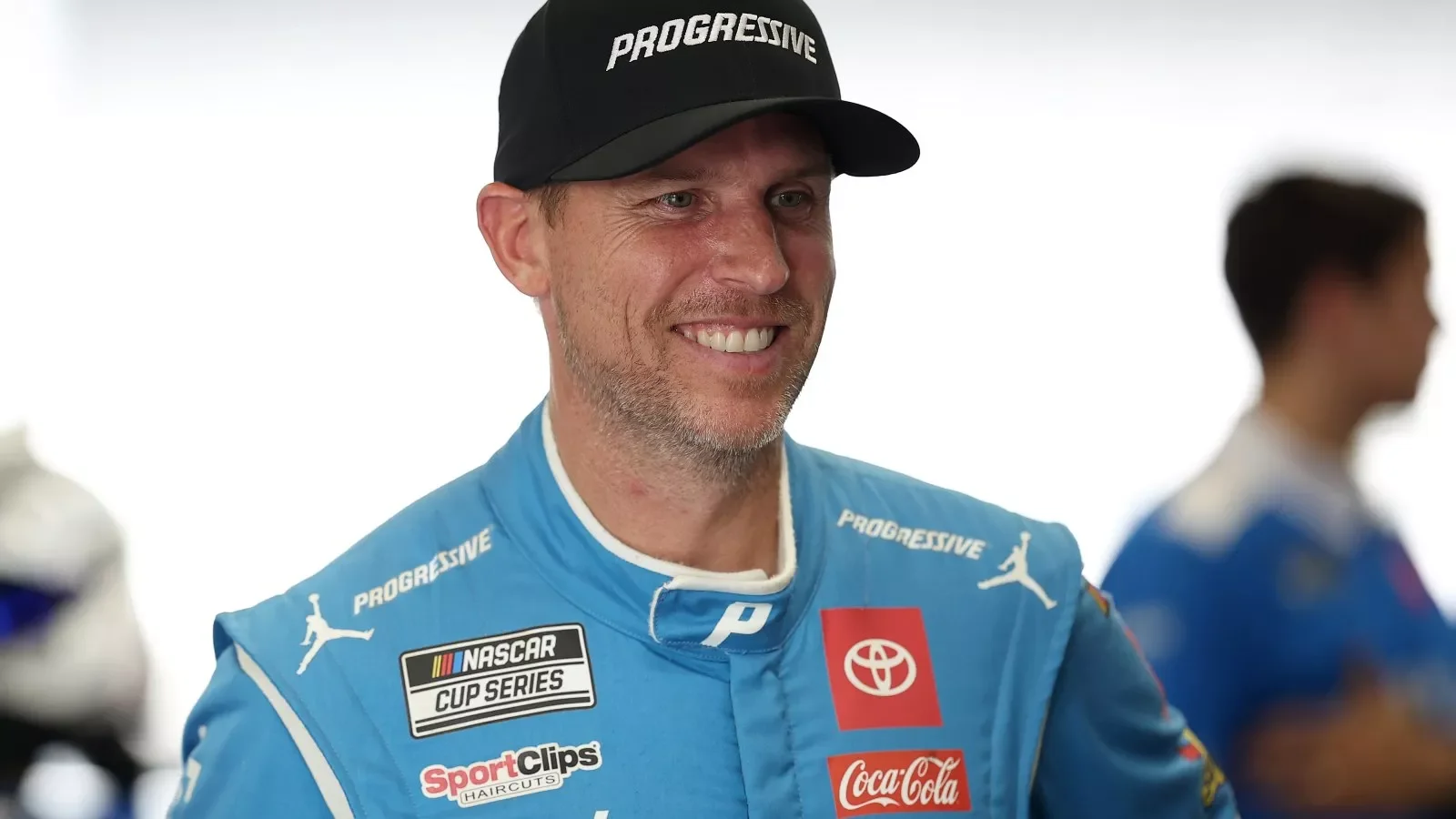
Image of: Denny Hamlin
“They just didn’t do enough testing. The car wasn’t ready.”
—Denny Hamlin
The result is a racing environment where maintaining position often overshadows driver ability, preventing many drivers from showcasing their skill or engaging in the type of side-by-side battles that once thrilled fans. As Gabehart explained, some blame falls on the car’s design flaws, currently a dominant factor in Denny HamlinNASCAR racing issues.
The Erosion of NASCAR’s Grassroots Culture Is Another Critical Threat
Beyond technical challenges, Gabehart identified a deeper, cultural problem he believes threatens NASCAR’s identity. He referenced what he described as the
“lack of dirt under fingernails to earn the opportunities,”
referring to the diminishing tradition of drivers rising through the ranks by earning their place through hard work and grassroots racing experience.
Today, many drivers reach NASCAR’s top levels more through financial backing than on-track merit. The increasing costs to compete in developmental series mean only those with significant funding can secure competitive rides, sidelining talented drivers who lack such resources. This shift has replaced a merit-based system with one increasingly driven by budget rather than ability.
Gabehart also lamented the decline of NASCAR’s old-school self-policing ethos, noting the
“lack of ‘boys have at it’ when those opportunities are wrongfully taken away,”
alluding to how the sport’s internal regulation among drivers has eroded over time. Without peer enforcement of the sport’s unwritten rules, a new generation of drivers may lack respect for the competitive spirit and consequences that once defined NASCAR racing.
This cultural shift compounds the problems created by the car’s limitations, contributing to what many see as a perfect storm that diminishes race quality. As a veteran, champion driver, and crew chief, Gabehart’s perspective highlights how these intertwined issues jeopardize the future of NASCAR’s premier series and the legacy of Denny Hamlin NASCAR racing issues.
The Broader Impact and What Lies Ahead for NASCAR
Chris Gabehart’s insights reveal how both technical faults in the Next Gen car and weakening cultural foundations combine to threaten NASCAR’s competitive credibility. With track position dominating race outcomes and fewer drivers truly earning their opportunities, the sport risks losing the essence that attracted fans for decades.
The challenges Gabehart describes have sparked growing criticism from drivers, teams, and longtime observers who worry about the sport’s direction during this critical transition period. If NASCAR does not address these underlying problems, it may continue to see reduced fan engagement and driver frustration, undermining the sport’s appeal.
Moving forward, NASCAR leaders and teams will need to reevaluate both the Next Gen car’s design to enhance raceability and restore cultural values that reward merit and self-regulation among drivers. Only by confronting these issues can the sport restore the excitement and fairness that make NASCAR racing compelling and worthy of champions like Denny Hamlin.