
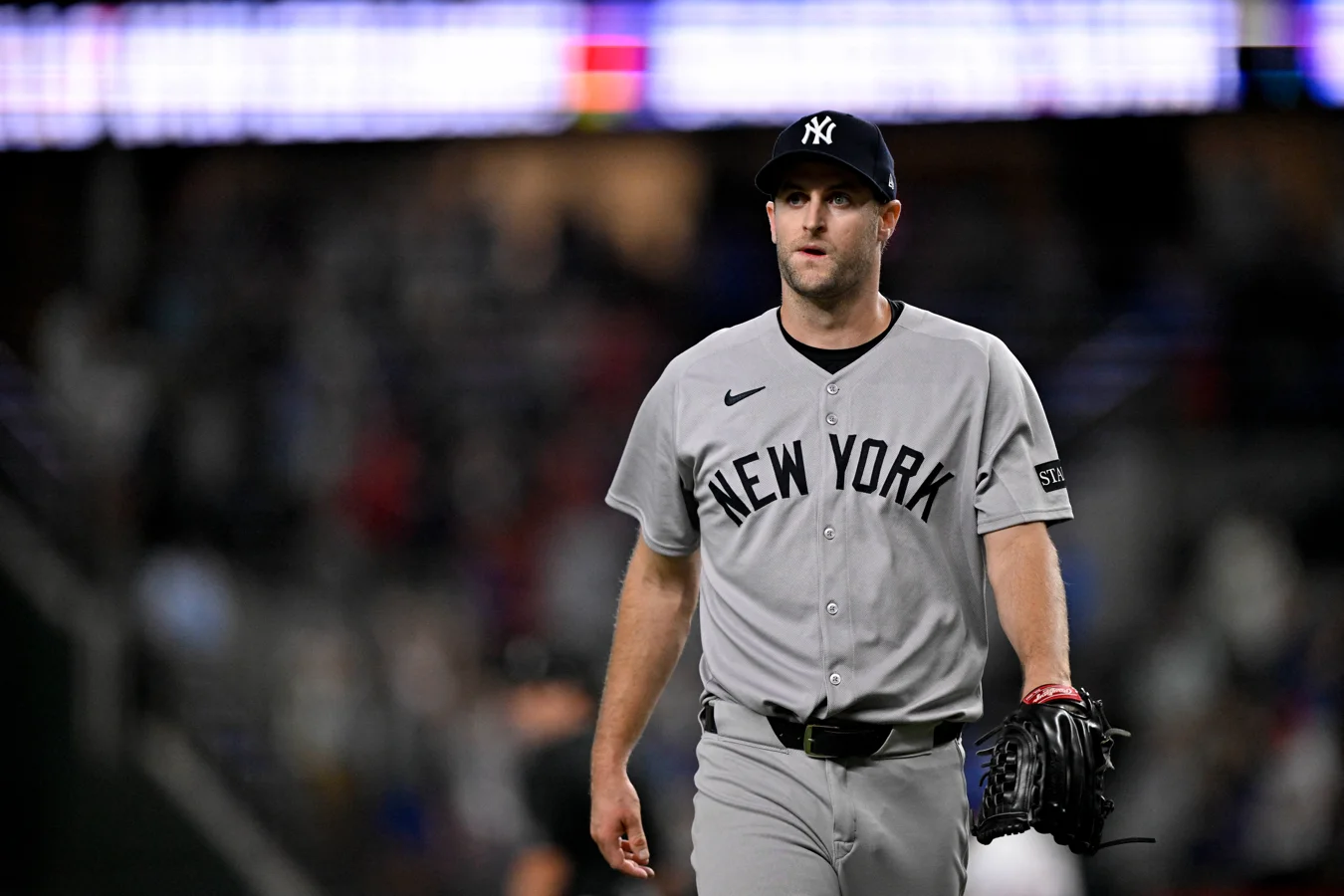

Just five days after acquiring Jake Bird from the Colorado Rockies, the New York Yankees have swiftly optioned the right-handed pitcher to Triple-A Scranton/Wilkes-Barre. This decision follows a troubling start, as Bird allowed seven runs, six of them earned, over two innings during three appearances for New York. His debut was notably rough, highlighted by surrendering a grand slam to Kyle Stowers in a dramatic 13-12 loss against the Miami Marlins on Friday.
Challenges Mark Bird’s Early Performances and Reflect Bullpen Woes
Bird’s difficulties mirror broader issues within the Yankees’ bullpen, which has struggled significantly this season. The relief staff’s earned run average (ERA) has ballooned to 6.75 in August and sits at 6.13 since July 1, ranking as the second-worst mark in the major leagues, surpassed only by the Colorado Rockies. Bird’s early outings have done little to stem the ongoing bullpen instability.
Pitching Strengths and the Critical Fastball Deficiency
Despite the early failure, Bird’s pitching arsenal holds promise. His sweeper pitch is among the top in Major League Baseball, placing in the 88th percentile for run value and generating a whiff rate above 33%, making it one of the game’s most effective breaking balls. Similarly, his curveball and slider contribute significantly, with whiff rates between 35% and 38% and producing around seven runs saved above average per 100 pitches.
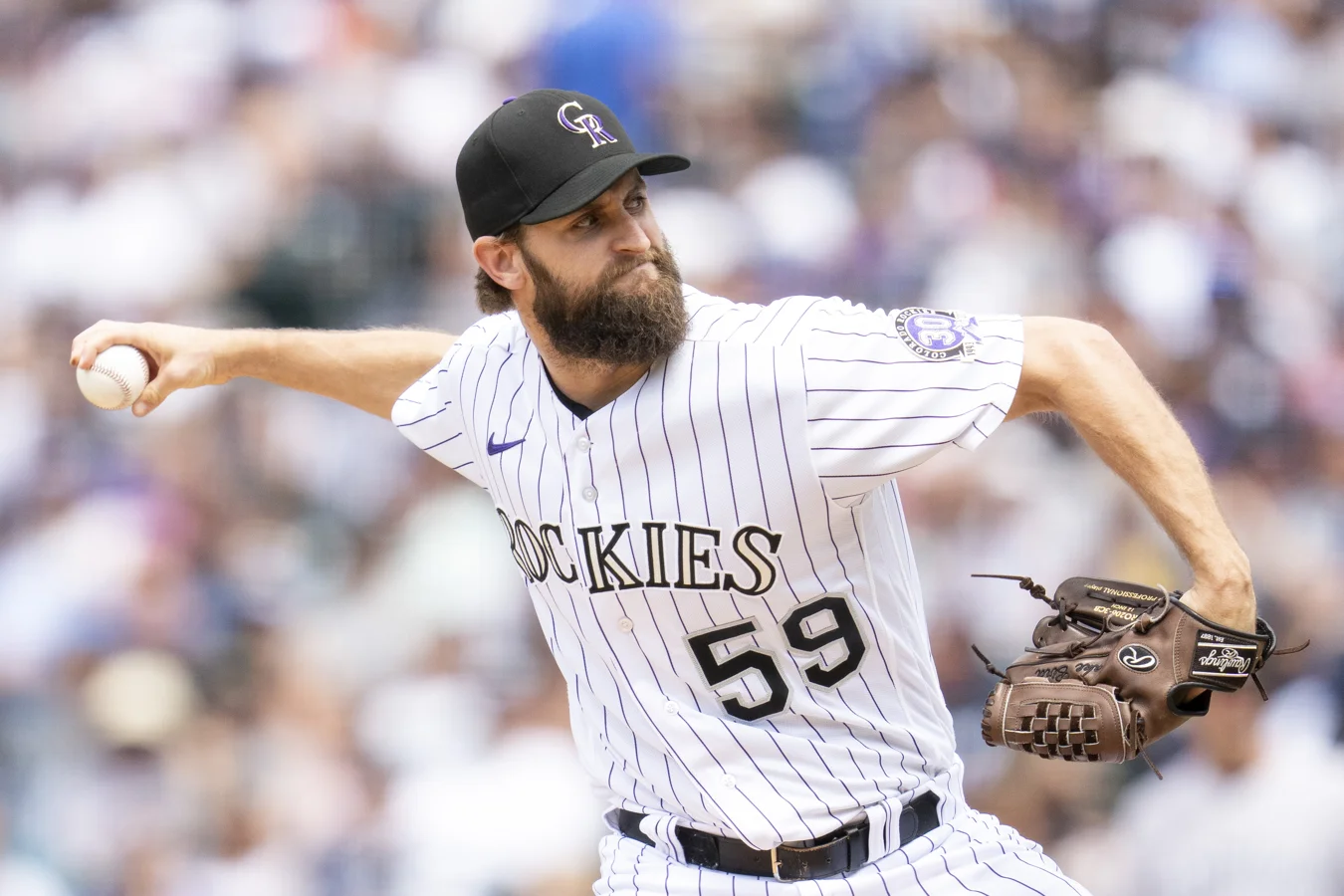
The main issue lies with Bird’s fastball, which lacks the necessary vertical movement and horizontal run to trouble MLB hitters. This deficiency places the pitch in a “dead zone,” making it easier for batters to connect. Facing a hitter like Josh Jung, whose profile fits this weakness, Bird’s struggles were foreseeable. Analysts suspect the Yankees will have Bird work on changing his fastball into a sinker or splitter in Triple-A to increase effectiveness.
Statistical Breakdown Highlights Pitching Dynamics Against Key Hitters
Jake Bird’s sweeper registers a .193 expected batting average (XBA) and .332 expected slugging (XSLG), while his sinker performs less favorably at .329 XBA and .500 XSLG. Against Bird, Josh Jung has shown better results against sinkers, hitting .261 with a .378 slugging percentage but struggles more against sweepers, managing only a .159 XBA and .250 XSLG, with a 36% whiff rate versus sweepers versus 12.8% against sinkers. This contrast underscores the urgent need for Bird to refine his fastball approach.
“Jake Bird:- sweeper: .193 XBA, .332 XSLG- sinker: .329 XBA, .500 XSLGJosh Jung:- vs sweepers: .159 xBA, .250 xSLG, 36% Whiff- vs sinkers: .261 xBA, .378 xSLG, 12.8% WhiffMatt Blake was just out there. Guess what pitch was thrown here? What goes on in these mound visits?” — ⚡️ (@yankeesvision)
Cost of Acquisition and Outlook for Bird’s Role with Yankees
The Yankees traded prospects Roc Riggio and Ben Shields to the Rockies for Bird, paying a high price for a reliever who was never guaranteed immediate success. While Bird’s skill set provides some optimism, his rocky early outings reveal that this deal was never a straightforward fix to the bullpen crisis. Five days into his New York tenure, the situation already appears complicated and uncertain.
Implications for the Yankees and Jake Bird’s Future
This early setback for Jake Bird highlights the Yankees’ deep bullpen challenges as they seek stability late in the season. Bird’s demotion suggests the team will invest in pitching adjustments in the minors before considering another major league opportunity. Whether he can develop a more effective fastball variant could determine if he becomes a key bullpen piece or remains a depth option. For now, the trade’s initial promise has collided with the harsh reality of his struggles on the mound.