
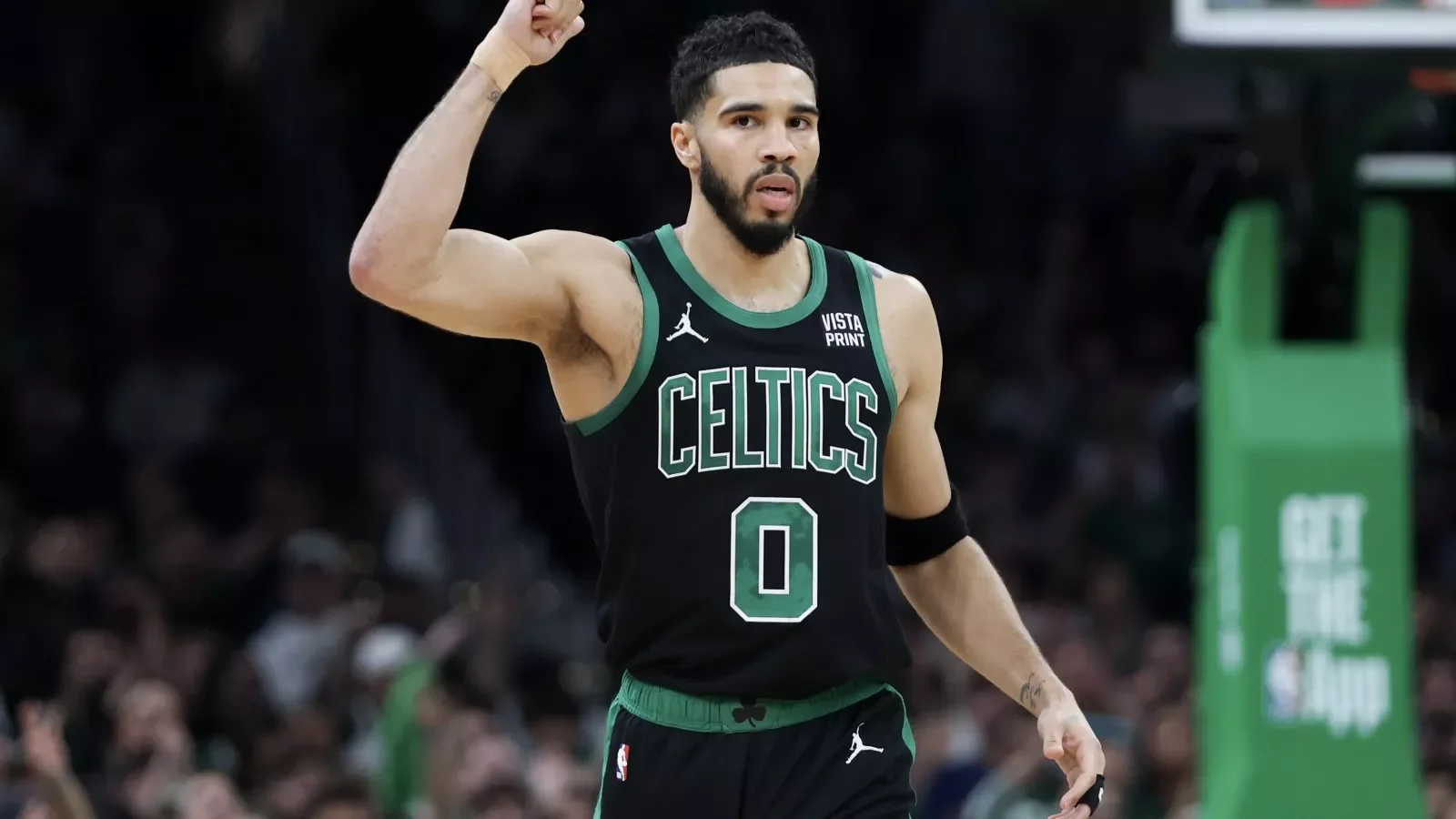

The Boston Celtics have begun a significant financial restructuring in the offseason, focusing on reducing payroll after the departure of star forward Jayson Tatum. This strategy became clear through the organization’s first high-profile trades aimed at easing the team’s salary commitments.
Key Trades Signal a Shift: Holiday and Porzingis Depart
In a decisive series of moves, the Celtics traded veteran guard Jrue Holiday to the Portland Trail Blazers and forward Kristaps Porzingis to the Atlanta Hawks, receiving Georges Niang in exchange. Both Holiday and Porzingis carried large contracts that represented heavy financial obligations for the team. Their exits mark a notable change for Boston, which previously aimed to contend for a championship with these key players.
Financial Strategy Reflects Broader Organizational Changes
This cost-cutting approach aligns with a new long-term vision from the Celtics’ ownership, emphasizing a sustainable financial model over immediate competitiveness. By releasing high-salary players, Boston has created more salary cap flexibility, preparing the team to integrate younger talent and pursue more balanced roster construction moving forward.
The recent trades, including the move of Georges Niang to the Utah Jazz for rookie RJ Luis Jr., further demonstrate the club’s focus on salary management and future development. While these decisions may temporarily reduce star power, they signal the organization’s desire to build a resilient and competitive team over time.
Implications for the Celtics’ Future Competitive Outlook
As the Celtics transition through this cost-cutting phase, the franchise faces the challenge of maintaining competitiveness without some of its veteran stars. The absence of Jayson Tatum, coupled with the departures of Holiday and Porzingis, leaves substantial gaps to be filled. However, this strategy opens opportunities for emerging players and fresh acquisitions to grow into larger roles.
Ultimately, by prioritizing financial prudence, Boston aims to create a more flexible and durable roster foundation. This approach may lead to a gradual rebuilding process that balances team talent with sustainable spending, positioning the Celtics for longer-term success in a changing NBA landscape.