


Kevin Durant responded sharply to Kendrick Perkins’ controversial comparison of today’s social media challenges with the historic racism and threats faced by NBA legends like Bill Russell. The exchange unfolded publicly on social media platforms, igniting widespread debate about the relevance and impact of adversity in different NBA eras.
Kendrick Perkins, former New Orleans Pelicans center and NBA champion, highlighted social media as a major source of pressure and adversity for current players. He argued that confronting the mental strain of social media can be as demanding as the serious struggles players like Bill Russell experienced during their careers, though he made clear he wasn’t equating the two experiences directly.
Kendrick Perkins Highlights Mental Health Struggles of Modern Players
Perkins discussed how players today face intense scrutiny and negativity through social media, affecting their mental well-being significantly. While acknowledging the severe risks and racism endured by players in Bill Russell’s era, he emphasized that each era presents its own form of hardship.
“I would never take the guys, the Bill Russells, and what they had to go through for us to be able to perform at a high level, even be in the NBA. For the NBA to even exist. I wasn’t there, but I will say, everyone has had their own form of adversity,”
Perkins said.
He also observed:
“Back then, it was racism and death threats.”
Perkins continued by underscoring the severity of battles players face with social media today:
“But having to battle through the adversity of f****** social media as a player, elevates right up into that when you talk about mental toughness,”
he explained.
“I get it, people’s lives were on the line. But mental health is a real thing, and we see so many guys logging off of social media… Everyone’s affected in a different way, and I’m not trying to put the two together. All I’m saying is, this day and age, all of these guys are dealing with their own form of adversity.”
Kevin Durant’s Rebuttal Sparks Heated Discussions Among Fans
Kevin Durant, now a member of the Houston Rockets and former teammate of Perkins on the Oklahoma City Thunder, disagreed strongly with Perkins’ perspective. Taking to X (formerly Twitter), Durant succinctly dismissed the comparison.
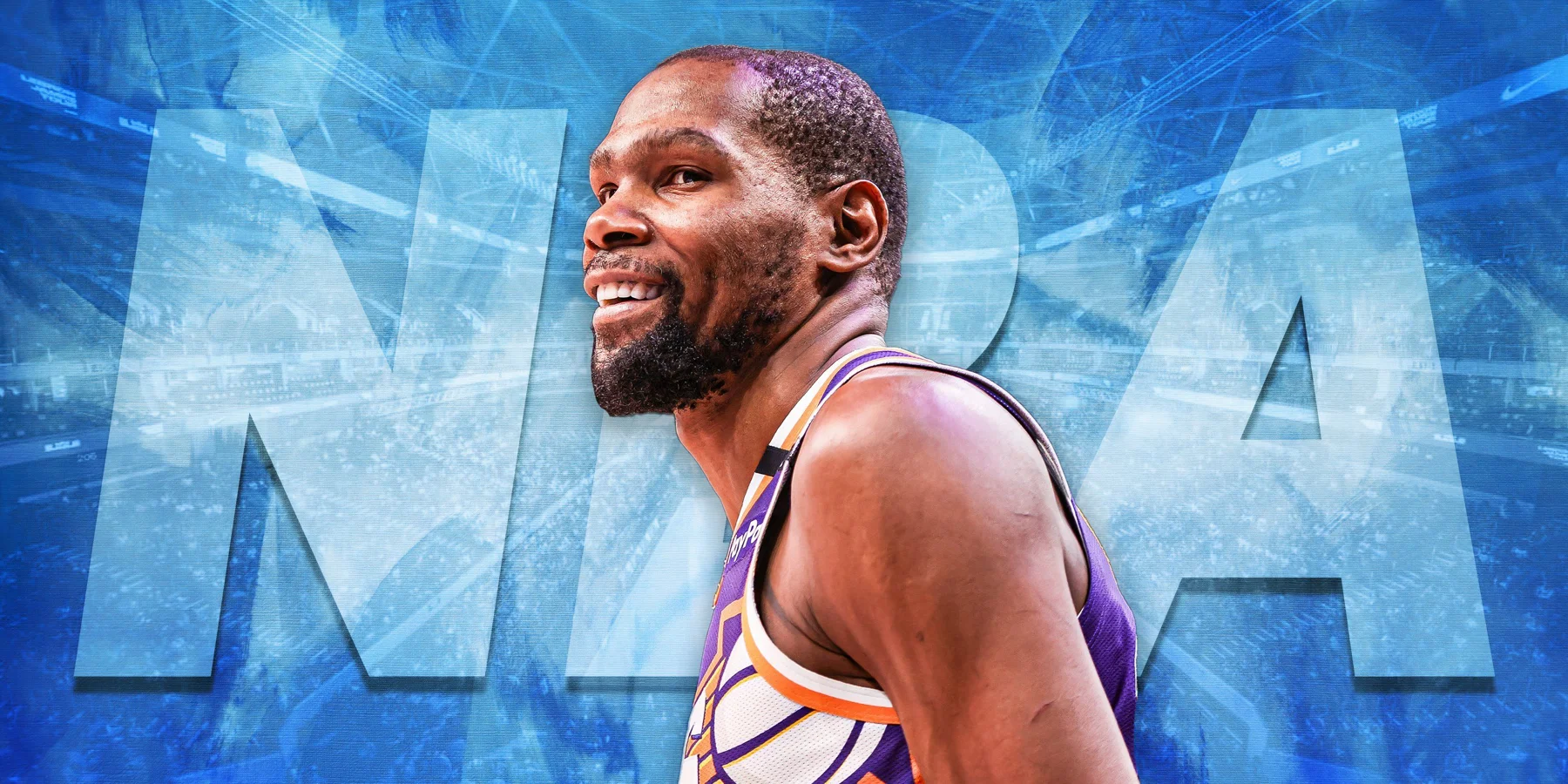
“Bad take,” Durant stated plainly in response to Perkins’ remarks.
The wider fanbase echoed similar sentiments, challenging Perkins’ analogy by pointing out the crucial differences between eras. Many argued that players today have the option to deactivate or avoid social media, unlike during Bill Russell’s time when players faced constant, real threats without any escape.
“Except you can turn off social media…”
, one fan wrote.
“Players don’t have to have social media or look at social media. Bill Russell’s era couldn’t just deactivate their accounts or not go online to avoid racism. Who the hell keeps giving this guys air time,”
another responded.
Additional comments included:
“God awful take,”
expressed one fan.
Durant is known for actively engaging with fans on social media, often confronting negativity directly, which lends weight to his view on the subject. His willingness to address social media criticism firsthand sets him apart from many players who avoid public confrontation online.
Discussion on the Impact of Social Media Continues to Influence NBA Culture
This debate highlights a tense and complex conversation ongoing within the NBA and its community about how the nature of adversity and mental health are understood across generations of players. While Perkins draws attention to the increasing pressures that social media places on athletes’ mental health, Durant and many fans caution against equating this with the brutal racism and physical dangers faced by pioneers like Bill Russell.
As social media remains central to the NBA experience, the league and its players are compelled to navigate the challenges it presents, balancing openness with the need to protect mental well-being. The discussion sparked by these comments may influence how players, teams, and fans approach online interactions and mental health support in the future.