

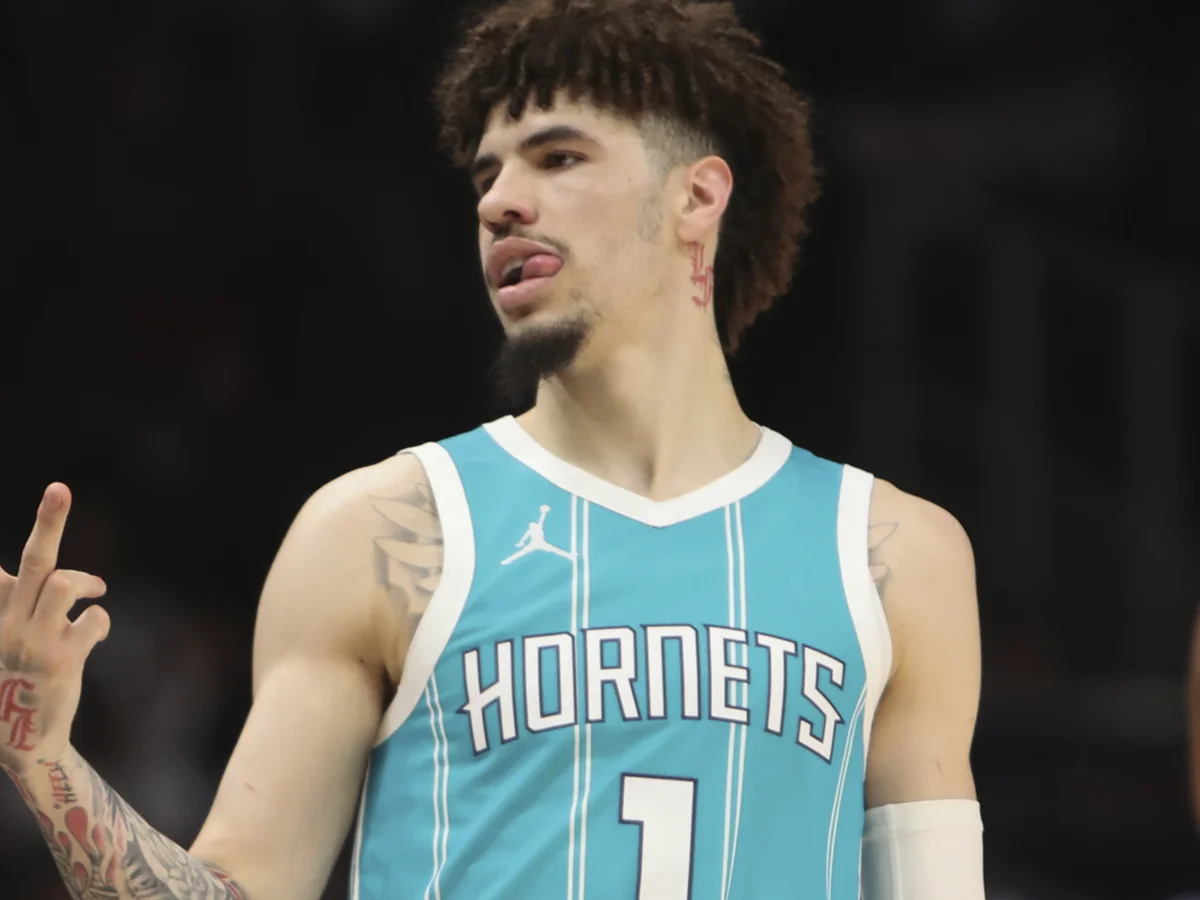
In July 2023, LaMelo Ball secured a significant five-year, $203 million contract extension with the Charlotte Hornets, marking a key moment in his NBA career. This deal exemplifies an important comparison point now that De’Aaron Fox has signed a larger extension, underscoring the value of Ball’s contract within the league.
At the time of his signing, Ball was coming off a successful run that included his first All-Star game appearance 17 months earlier and a historic achievement as the second-youngest player in NBA history to reach 1,000 points, rebounds, and assists—only LeBron James reached this milestone at a younger age. Despite these promising signs, Ball’s momentum toward superstardom has slowed, mainly because of wrist and ankle injuries, some of which he was already dealing with when he signed the extension.
When healthy, Ball continues to have a strong impact on the floor, but his availability has been limited; since signing his contract, he has appeared in just 69 of a possible 164 games. This has sparked debate about whether the Hornets’ investment will pay off through to 2030, when Ball will first qualify as an unrestricted free agent. However, the recent massive deal signed by one of Ball’s closest rivals, De’Aaron Fox, helps put Ball’s contract into perspective.
How De’Aaron Fox’s New Contract Overshadows LaMelo Ball’s Deal
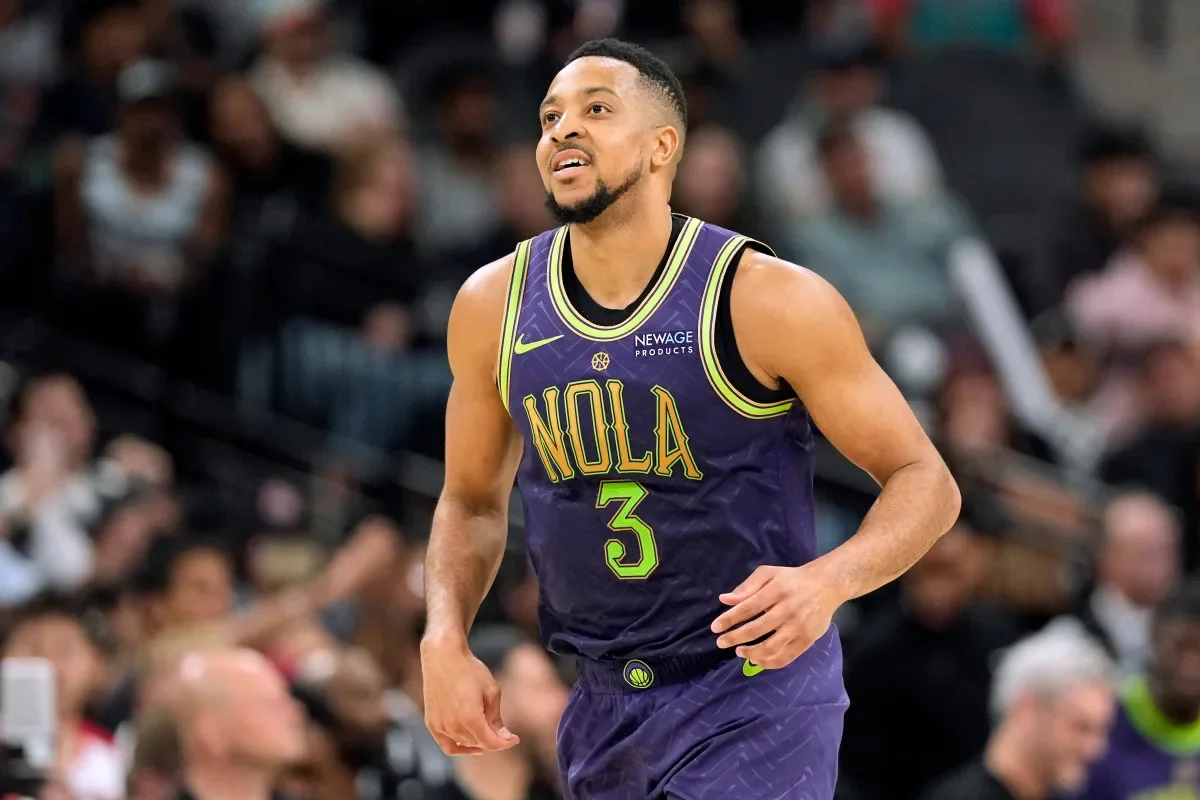
De’Aaron Fox recently agreed to a four-year, $222 million extension with the San Antonio Spurs, partnering him with the highly-touted Victor Wembanyama for the foreseeable future. This signing raises questions about how the Spurs plan to balance their roster, especially considering the overlapping skill sets of Fox, Dylan Harper, and Stephon Castle all occupying similar roles as point guards.
From a statistical standpoint, Fox and Ball offer comparable value, although their playing styles differ markedly. Fox excels as a pick-and-roll specialist, using his elite speed and finesse around the rim to challenge defenses effectively. Additionally, Fox proves to be a solid perimeter defender, relying on his athleticism and body control to contain opposing ball handlers.
By contrast, Ball’s game is well known to Hornets fans who appreciate his versatile playmaking mixed with dynamic scoring ability. When weighing their overall profiles, Fox likely holds a slight edge over Ball due to his consistent performance and ability to stay healthy, factors that make him a dependable asset for any team.
Despite Fox’s probable edge, the discrepancy between their salaries tells a different story. Fox’s four-year deal, which begins in the 2026-27 season, will consume more than 30% of San Antonio’s salary cap. This percentage even surpasses that of several players generally regarded as more impactful, including Karl-Anthony Towns, Luka Doncic, and Pascal Siakam.
On the other hand, LaMelo Ball’s current contract, extending through the 2028-29 season, will never account for more than 25% of the Hornets’ cap space during its duration. Additionally, Ball’s roughly $3 million annual raises are modest enough that they will be outpaced by the NBA’s rising salary cap, effectively reducing the relative financial weight of his deal over time.
For Charlotte, the timing of Ball’s contract appears fortuitous. While other stars in the league are locking in massive contract extensions, the Hornets benefit from a manageable financial commitment that could grow more team-friendly as the salary cap expands.
Implications of the Spurs’ Commitment to De’Aaron Fox
San Antonio’s decision to allocate such a substantial contract to Fox before Victor Wembanyama reaches his prime is puzzling from a roster strategy perspective. The Spurs might be limiting their long-term flexibility, which could complicate efforts to build a dominant supporting cast around their exceptional young center.
Victor Wembanyama’s talent is exceptional enough to potentially offset any financial missteps made by the Spurs’ front office. However, committing that level of salary to Fox—who currently does not rank among the NBA’s top ten players—can be seen as a miscalculation that the franchise will need to manage carefully moving forward.
In summary, while De’Aaron Fox’s massive extension might initially grab headlines due to its size, LaMelo Ball’s earlier contract with the Charlotte Hornets actually presents a more economically favorable deal relative to each player’s impact and health record. This contrast highlights the complexities teams face when valuing talent and managing salary cap resources in today’s NBA landscape.