
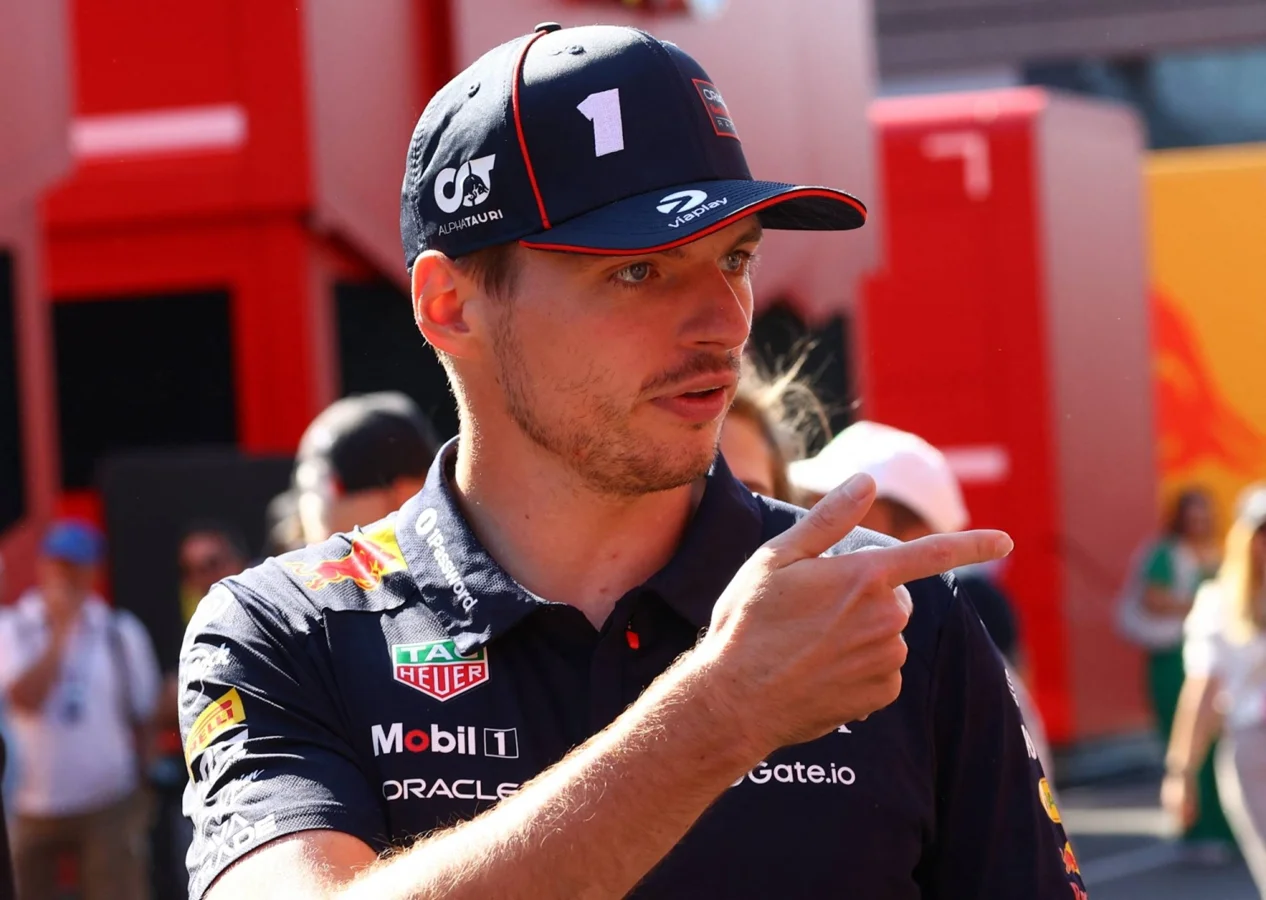

Max Verstappen has put an end to speculation about his future by confirming he will remain with Red Bull Racing for the 2026 Formula 1 season. The announcement was made at the Hungarian Grand Prix, dispelling rumors linking him to Mercedes, who are reportedly close to securing George Russell on a long-term contract. Verstappen’s confirmed commitment aligns with his existing contract that runs through 2028, providing Red Bull with continuity amid significant upcoming changes in the sport.
Verstappen’s decision comes against a backdrop of uncertainty as the Dutch driver trails championship leader Oscar Piastri by 97 points in the 2025 title race. Despite his four consecutive championship victories from 2021 to 2024, Verstappen has faced a challenging season highlighted by a ninth-place finish in Budapest, his worst result to date in 2025.
Helmut Marko Praises Verstappen’s Decision and Outlines Red Bull’s Upgrades
Helmut Marko, a long-time adviser and key figure at Red Bull, described Verstappen’s commitment as a “big release” for the team. Marko emphasized that the entire organization is highly motivated to improve the car for Verstappen in the coming year. The team is focusing on delivering a more competitive vehicle, the RB22, to help Verstappen regain his winning momentum despite setbacks in the current campaign.
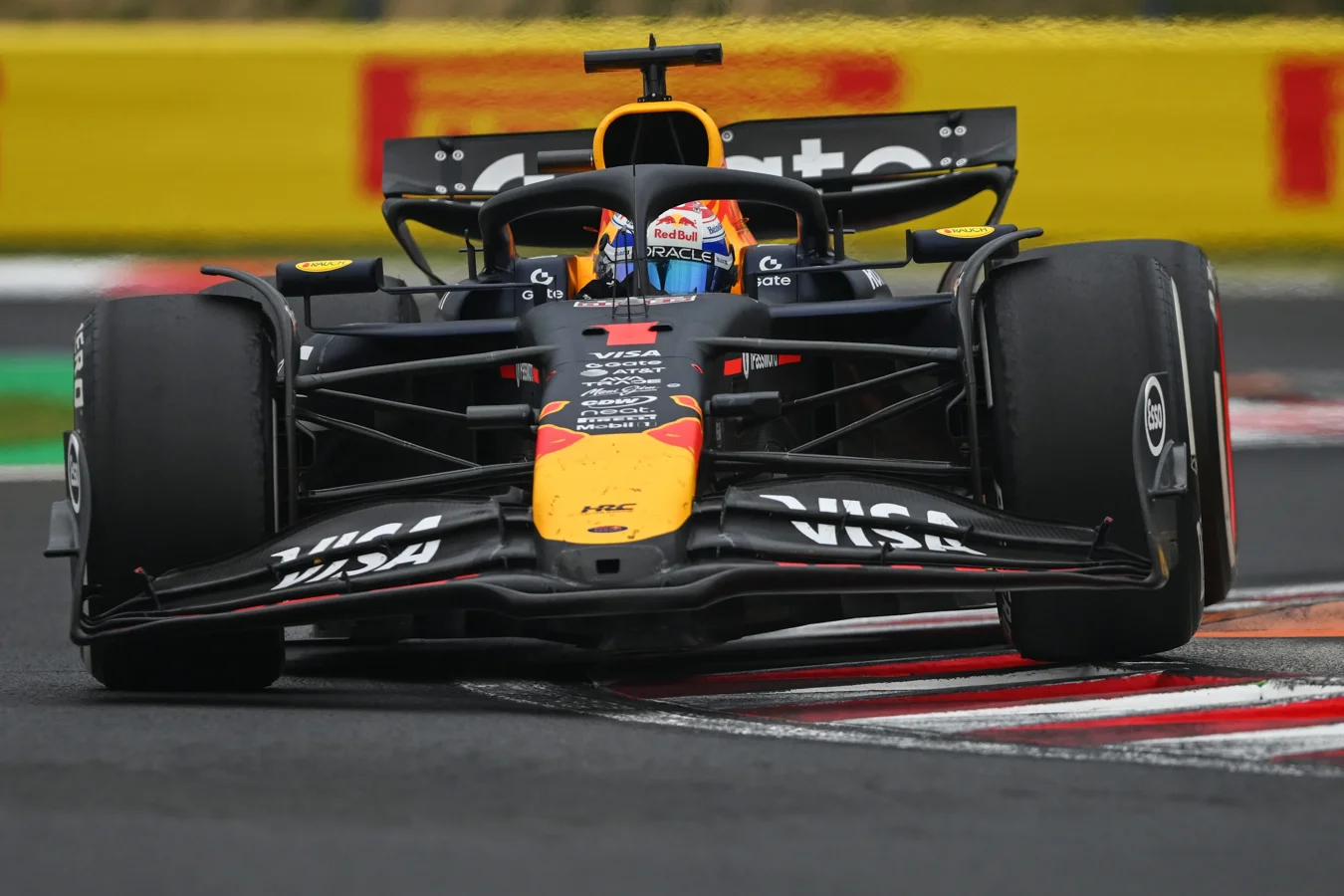
Marko said,
“The whole team is really, really enthusiastic to make a better car for him next year.”
He also acknowledged the difficulty Verstappen faces in reclaiming the 2025 championship, stating, “It’s impossible, clearly.”
F1 2026 Brings Major Technical Overhaul Alongside Red Bull’s Engine Independence
The 2026 season will mark a significant shift for Formula 1, with new regulations emphasizing 50% electrification, sustainable fuels, and active aerodynamics. Red Bull will debut its own power units developed in-house through its newly launched Powertrains division, in partnership with Ford. This makes 2026 the first year Red Bull will produce its own engines, separating from its current supplier Honda, which has instead aligned with Aston Martin.
Christian Horner, Red Bull’s recently departed team principal, described the new engine program as “by far the biggest challenge” the team has faced. He acknowledged the rising competitiveness of Mercedes, believed to be well ahead in preparing for the upcoming rule changes, and emphasized the steep learning curve Red Bull faces as a new engine manufacturer.
“It would be embarrassing for Mercedes if we were, or for any manufacturer,”
Horner said, commenting on the prospect of Red Bull surprising the grid with superior engines immediately. Still, he remains optimistic about Red Bull’s long-term prospects under the unified chassis and powertrain development strategy.
Christian Horner Highlights Long-Term Vision Despite Short-Term Challenges
In his final public comments as team principal, Horner underscored the cyclical nature of Formula 1 performance and the team’s commitment to entering the new era strongly. He underlined the advantage of having chassis and engine engineering teams working closely together within Red Bull’s facility, which could prove critical in the team’s efforts to innovate quickly and efficiently.
“Maybe it won’t be in ’26, but ’27, ’28, and beyond, long term for Red Bull, 100 per cent it is the right thing,”
Horner stated, expressing confidence in Red Bull’s path forward despite immediate challenges in the 2026 season.
Current Season Overview: Verstappen’s Struggles and Piastri’s Lead
The 2025 campaign has seen Verstappen struggle to maintain the dominance he displayed in previous years. His two victories this season came at the Japanese and Emilia Romagna Grands Prix, with an additional sprint win in Belgium. However, a combination of increased competition and Red Bull’s car limitations has allowed Piastri and other rivals to extend their lead.
Verstappen’s ninth-place finish at the Hungarian Grand Prix—more than a minute behind winner Lando Norris in the McLaren—highlighted the season’s challenges. With his championship hopes now fading, the focus shifts toward rebuilding Red Bull’s performance for the regulatory reset in 2026.
Implications for Red Bull and Formula 1’s Competitive Landscape
Verstappen’s renewal with Red Bull offers crucial stability as the sport enters a transformative phase. The team’s shift to in-house power unit production represents a strategic gamble that could redefine the competitive order over the next several seasons. While Mercedes is currently seen as the stronger engine contender for 2026, Red Bull’s integrated technical approach aims to close that gap in subsequent years.
Max Verstappen’s ability to lead Red Bull through these changes will be closely watched, especially as the RB22 is expected to showcase the team’s response to the current championship challenges. Success in the new era could reinforce Red Bull’s position at the front of the grid, securing their place among Formula 1’s dominant teams well into the late 2020s.