
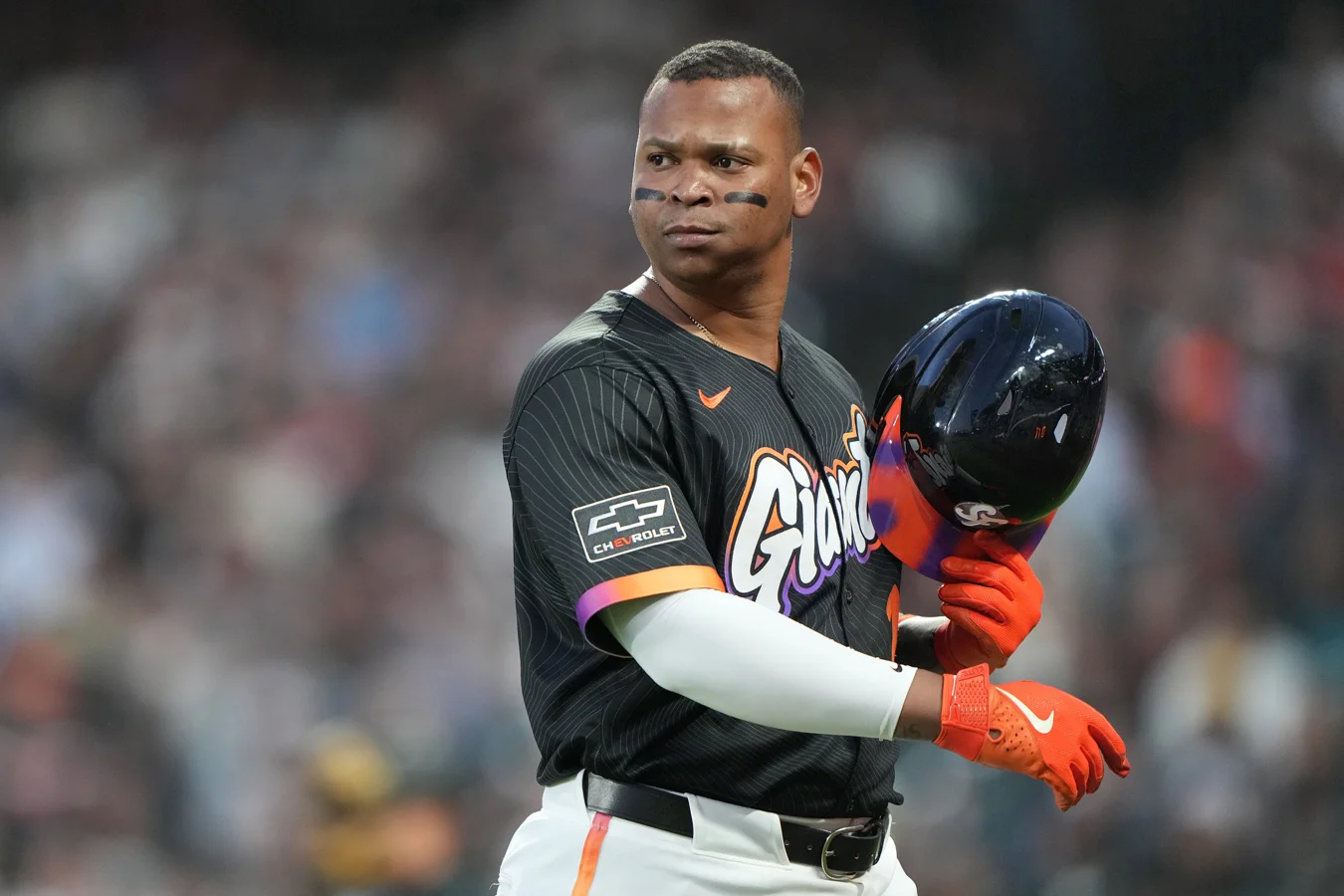

In a major midseason transaction, the San Francisco Giants sent Kyle Harrison and Jordan Hicks to the Boston Red Sox in exchange for All-Star Rafael Devers, aiming to boost their chances in the competitive National League West. At the time of the trade, the Giants held a strong 41-31 record and appeared poised to contend for a championship, but the Rafael Devers trade impact has since taken a dramatic turn.
Instead of propelling the Giants forward, the trade has contributed to an unexpected downturn in their season, while the Red Sox have surged, improving their standing in the American League East.
Contrasting Fortunes of Giants and Red Sox After Trade
Post-trade, the Giants’ performance sharply declined, enduring a 15-26 stretch that derailed playoff hopes and transformed their stance from contenders into sellers at the trade deadline. In stark contrast, Boston has flourished with a 26-15 run that includes multiple lengthy winning streaks, propelling the Red Sox ahead of rivals like the Yankees in the AL East race.
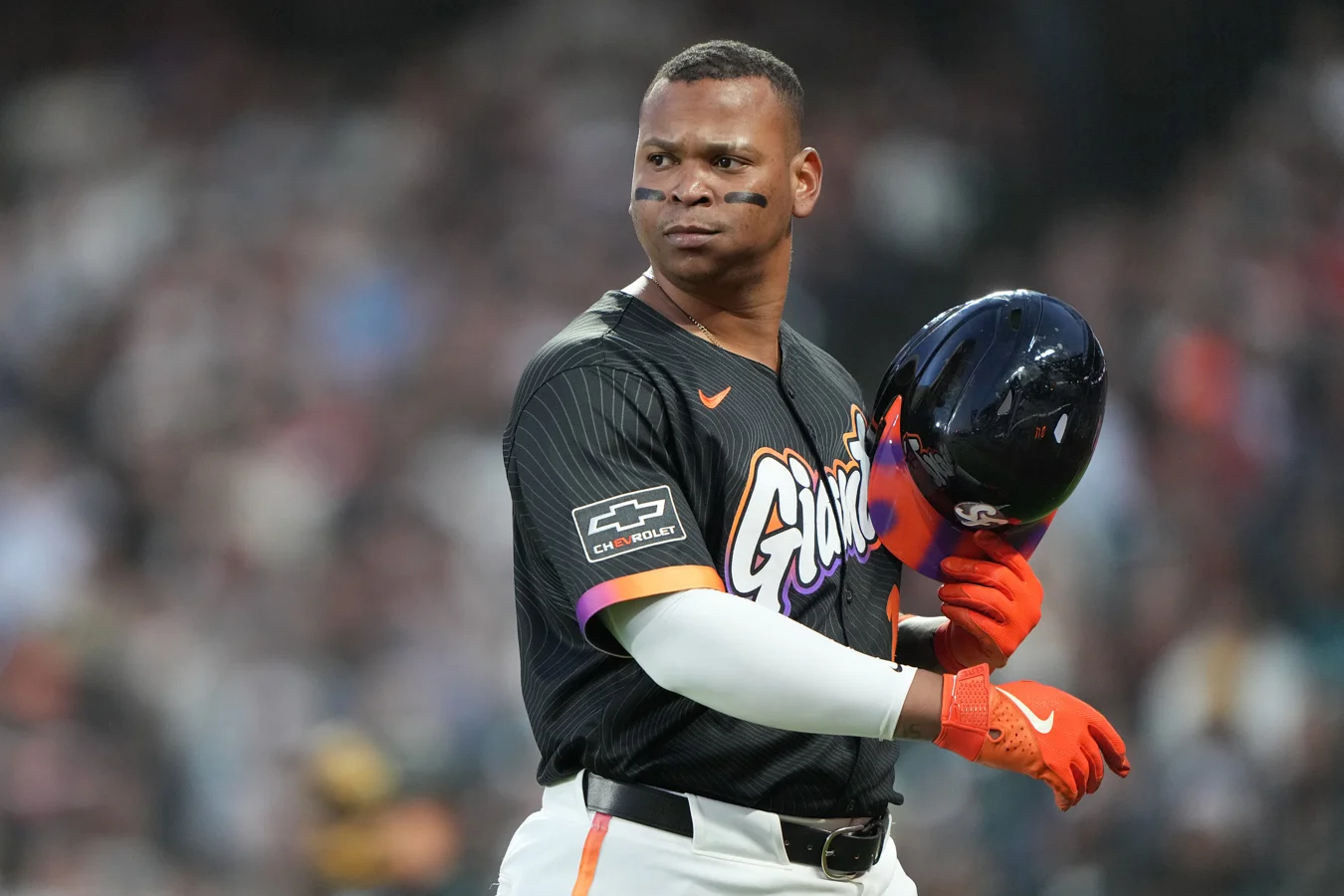
Rafael Devers has delivered vastly different results for each team. While wearing a Red Sox uniform, Devers slashed .272 with 15 home runs and 58 RBIs over 73 games, showcasing his All-Star caliber. However, since joining the Giants, his production cooled considerably, hitting just .227 with five home runs and 19 RBIs across 41 games, revealing a slump rather than the expected offensive spark.
Giants Shift to Rebuilding Mode at Trade Deadline
Facing the season’s downturn, the Giants reversed course at the trade deadline, opting to offload key players rather than reinforce their roster. Their closer, Camilo Doval, was traded to the New York Yankees for a group of promising prospects including infielder Jesús Rodríguez and pitchers Trystan Vrieling and Carlos De La Rosa.
Reliever Tyler Rogers was sent to the Mets in exchange for José Buttó, outfield prospect Drew Gilbert, and right-hander Blade Tidwell, while veteran outfielder Mike Yastrzemski was dealt to Kansas City for pitcher Yunior Marte. These moves marked a clear pivot from contention to rebuilding.
“BREAKING: The Giants reportedly traded Camilo Doval to the Yankees for three prospects (via @PavlovicNBCS)” — SF Giants on NBCS
Giants’ Miscalculation on Devers’ Role and Team Readiness
The Giants’ gamble on Devers as the missing key piece has exposed underlying weaknesses in their roster. Despite Devers’ elite talent, the supporting cast faltered, the bullpen unraveled, and the lineup struggled to keep pace. This misjudgment revealed that the team was not nearly as close to contention as anticipated.
Rather than being the catalyst for a championship run, Devers became a costly star without sufficient support, leaving the Giants with a long list of offseason priorities to rebuild a competitive core with cohesion and chemistry.
Meanwhile, Boston’s replacements for Devers, including Roman Anthony, have continued to perform strongly, contributing to the Red Sox’s ongoing success in the league.
Implications for Giants and Red Sox Moving Forward
The trade’s fallout highlights the risks of banking on a single star player to transform a team’s fortunes. For San Francisco, the focus now shifts to developing young talent acquired in recent trades and retooling carefully for sustained success.
Conversely, the Boston Red Sox appear poised to capitalize on their midseason momentum, gaining critical ground in the highly competitive AL East division thanks to Devers’ contributions and overall team resilience.