
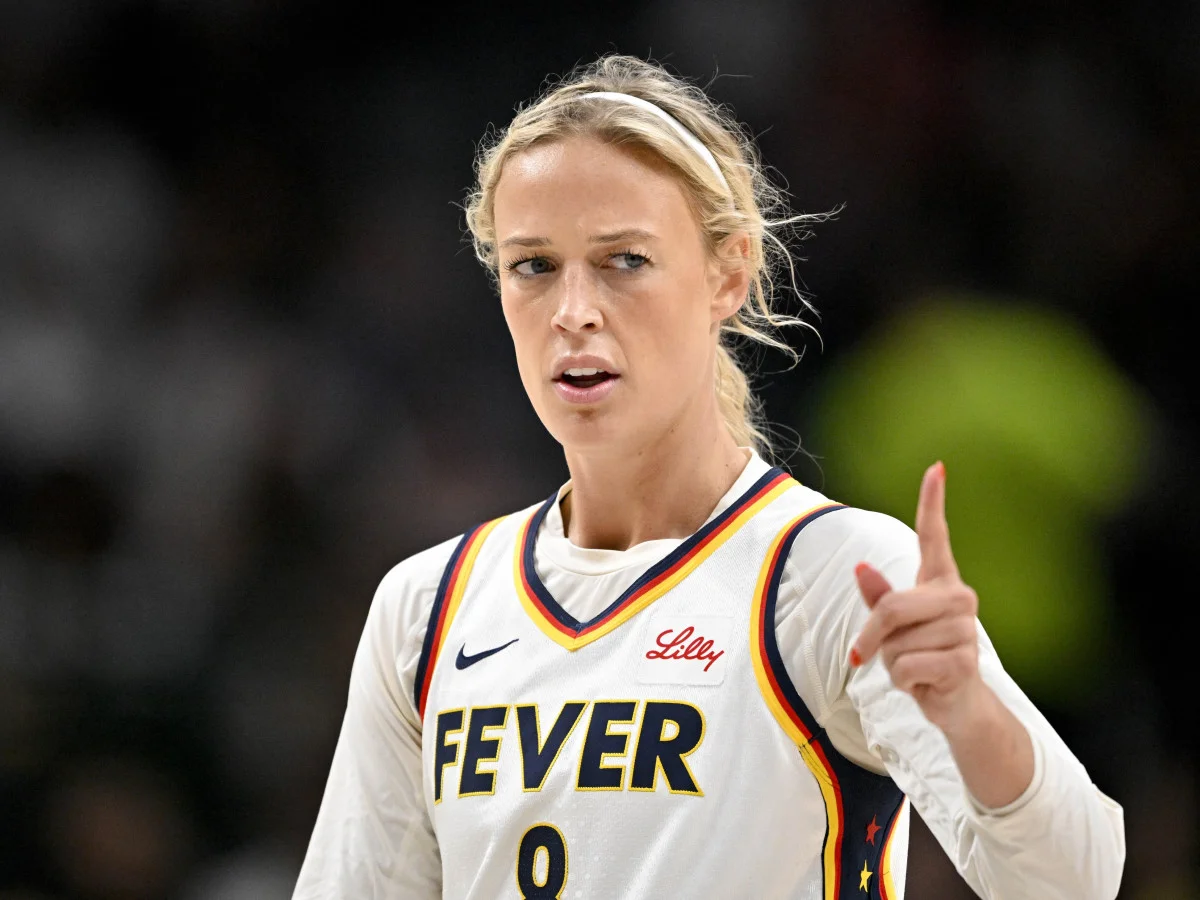

During a recent WNBA game between the Indiana Fever and the Phoenix Mercury, Indiana guard Sophie Cunningham addressed the crowd’s boos aimed at former Fever player DeWanna Bonner. The tension unfolded as Bonner, a prominent figure in the league, returned to Indiana following a complicated departure from the Fever earlier in the season.
DeWanna Bonner’s professional journey began with the Phoenix Mercury, where she played from 2009 until 2019 before being traded to the Connecticut Sun in 2020. After five years with Connecticut, Bonner signed with the Indiana Fever in 2025 as a free agent. Earlier this season, she made history by becoming the third all-time leading scorer in WNBA history. However, her stint with the Fever was brief and troubled. After starting the first three games and then coming off the bench in six more, she was sidelined due to “personal reasons.” Reports indicated Bonner was unhappy with the team and did not want to continue playing for the Fever, leading to her being waived. Soon after, she re-signed with the Phoenix Mercury on July 8.
When Bonner returned to Indiana to face her former team and fans, she was met with heavy boos from the Fever crowd, sparking widespread discussion about fan reactions toward athletes in similar situations.
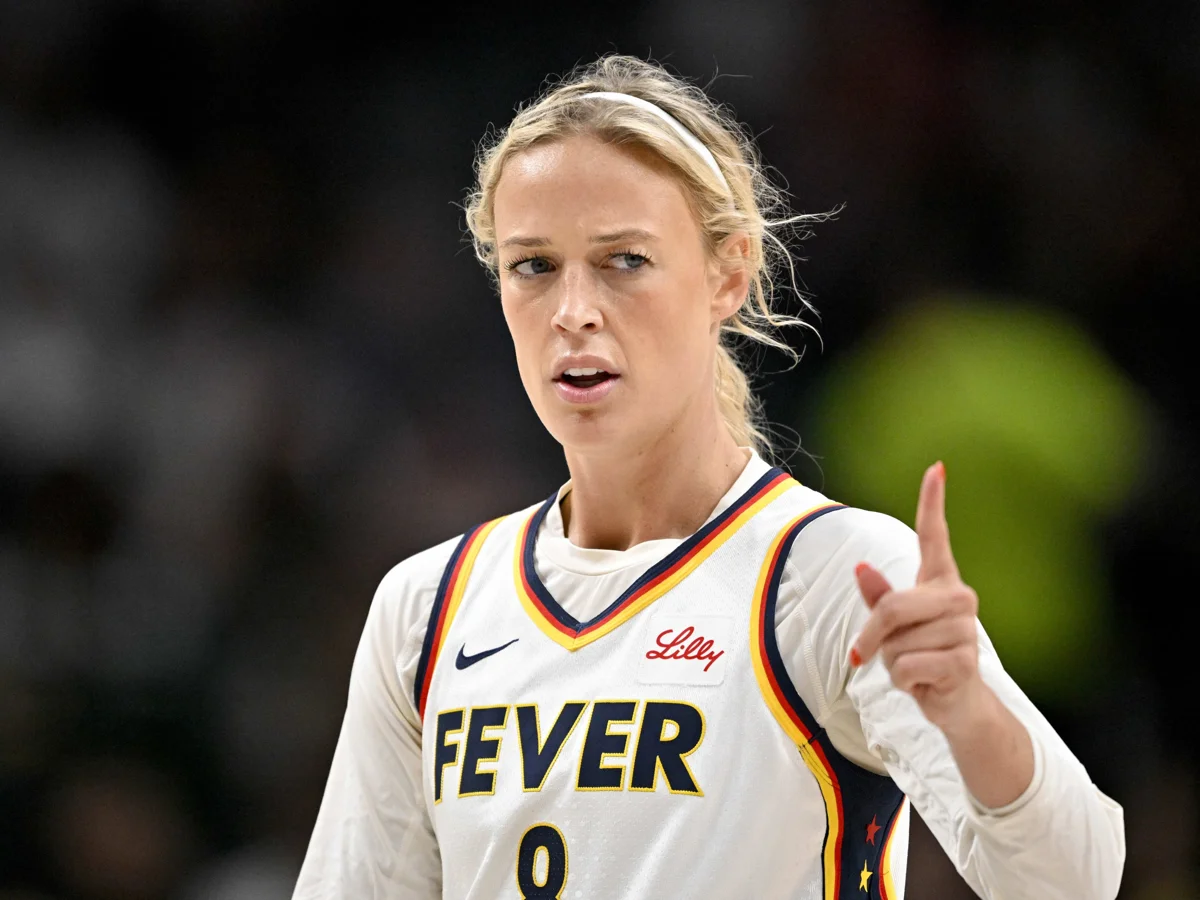
Sophie Cunningham Shares Her Perspective on the Fans’ Reactions to Bonner
Sophie Cunningham has become one of the standout players in the WNBA, known for her strong presence on and off the court. Having spent her first six seasons with the Phoenix Mercury, she was a teammate of Bonner during Bonner’s rookie season. Speaking on her podcast, Show Me Something, Cunningham addressed the boos directed at Bonner and reflected on the situation from a teammate’s viewpoint.
Cunningham expressed respect and affection for Bonner, saying, “I like DB.” She highlighted Bonner’s talent and credentials, calling her a Hall-of-Famer and an exceptional scorer. However, she acknowledged that Bonner’s arrival in Indiana was unexpected and suggested that the player’s unhappiness with the Fever may explain some of the tension. Cunningham explained,
“She got to Indiana and she just really wasn’t happy,”
before adding,
“I want (her) to be happy, so I’m kind of neutral on this one.”
While expressing sympathy for Bonner, Cunningham also recognized why some fans might boo. She emphasized the importance of professionalism and communication when parting ways with a team, suggesting that athletes should reach out to their former teammates. Cunningham said,
“But I also think that if you’re going to leave, like you’re going to have to expect getting booed.”
She continued,
“Send a text and be like, ‘Hey, like love you guys.’ Or you don’t even have to say, ‘Love you guys.’ Just like, ‘Hey, sorry this didn’t work out. Good luck.’ You know what I mean? Like there’s a way to handle that, I think.”
Her comments highlighted a common dynamic in sports where athletes who leave under difficult circumstances may face negative reactions from fans. Though the practice of booing returning players is frequent, professional communication is seen by Cunningham as a positive way to handle such transitions.
Understanding Athlete-Fan Dynamics in Situations Like Bonner’s
Bonner’s situation with the Fever is not unique in professional sports. Fans often react strongly when a beloved player departs or returns with a rival team, especially if the separation involves controversy. Cunningham noted that boos can be part of this competitive environment but also emphasized that it does not define an athlete’s career or legacy.
In fact, Cunningham herself is familiar with the experience of being booed, embracing it as a motivator rather than a setback. She stated,
“I get booed all the time.”
Reflecting on how others might react differently, she added,
“Some people can’t take a boo… that s*** hypes me up!”
Cunningham’s perspective offers insight into how players navigate the pressures and emotions tied to fan reactions while maintaining focus on their performance and personal happiness.
The unfolding story between Bonner, the Fever, and the fans underscores the complex relationships in professional sports where loyalty, professionalism, and public sentiment intersect. Fans, players, and teams alike continue to shape these narratives as the WNBA season progresses, making communication and respect key factors in resolving future conflicts.