
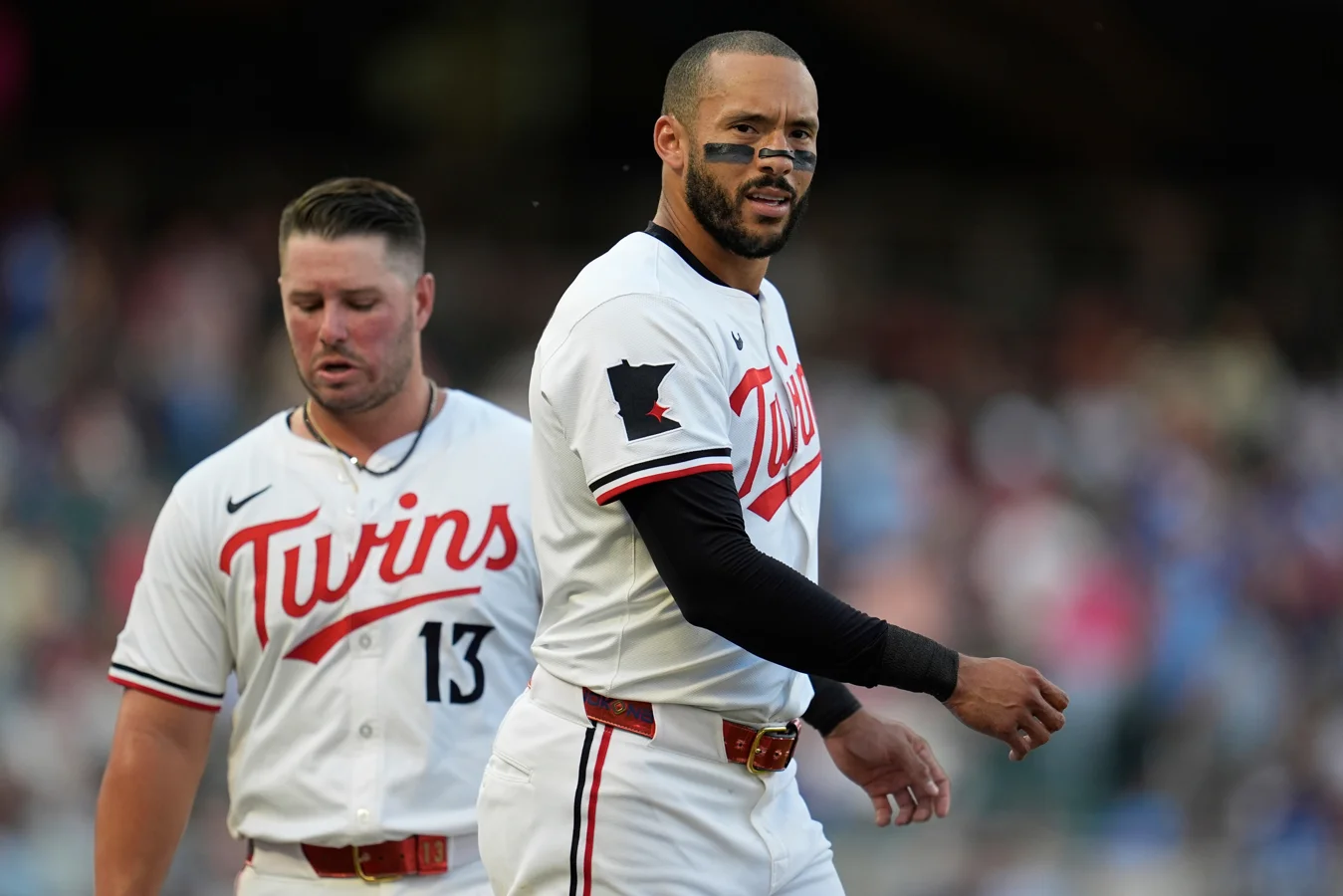

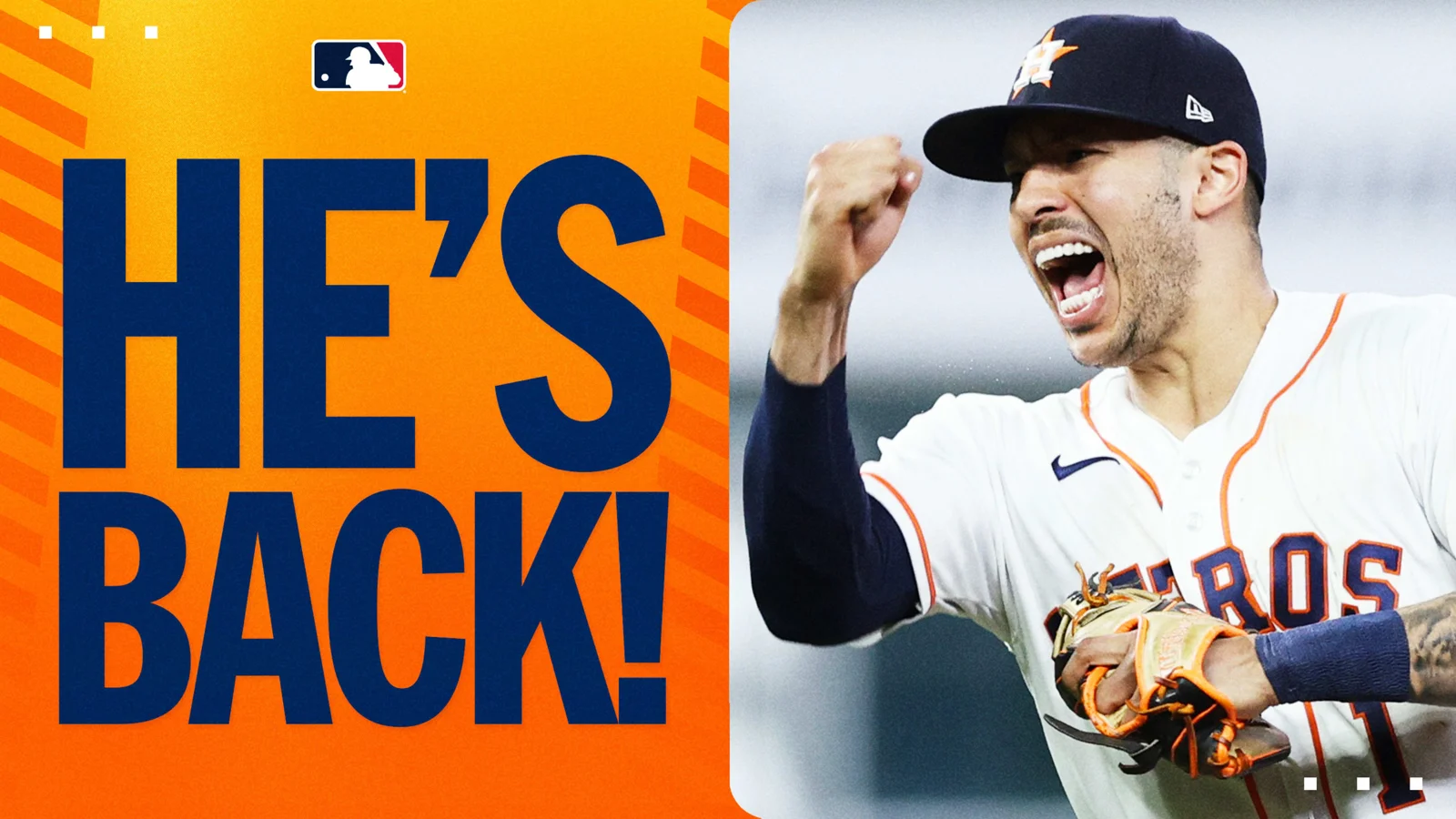
The Minnesota Twins shocked fans and the baseball community by trading Carlos Correa back to the Houston Astros before the 2025 trade deadline, signaling a commitment to rebuilding. The return, which included only a 26-year-old minor leaguer named Matt Mikulski and $33 million in retained salary, appeared minimal. Emerging details now show that the trade discussions initially involved a potential addition that might have altered the team‘s immediate prospects.
Christian Walker Was Considered but Ultimately Rejected
Reports from Bob Nightengale of USA Today reveal that Minnesota had offered veteran first baseman Christian Walker in trade talks with Houston, but the Astros declined the deal. Walker, aged 34, is under a contract with $40 million remaining over two years, reflecting the Twins’ attempt to remain competitive while transitioning away from Correa. This effort to balance short-term competitiveness with a longer rebuilding timeline demonstrates the complexity behind Minnesota’s decisions.
Walker’s 2025 Performance Reflects a Decline but Offers Hope
Houston’s hesitation to part with Walker is understandable given his current season statistics, which show a downturn from his career standards. Walker’s batting average fell to .237, with an OPS of .711, both lower than his usual levels. Despite hitting 14 home runs and driving in 56 runs, his overall production has diminished. His winter contract indicated faith from the Astros that he could rebound, a gamble on his potential resurgence as reflected in his recent improvement.
Financial Realities Shape the Twins’ Rebuild Strategy
Minnesota is reportedly carrying over $400 million in debt and has already reduced payroll significantly. Avoiding a costly multi-year commitment to an aging player with declining output aligns with the ownership group’s cautious fiscal approach. The Twins’ reluctance to acquire Walker at his current contract price reflects a broader strategy prioritizing budget flexibility during a phase that demands patient rebuilding rather than immediate upgrades.
Unstable First Base Situation Highlights Missed Opportunity
The Twins’ first base remains an unsettled position, with few reliable options. Kody Clemens, despite showing some power since arriving, sits as a career 82 wRC+ hitter whose recent upswing is unlikely to persist. Internal candidates like Edouard Julien and Jose Miranda have struggled and spent much of the season in Triple-A. Walker, even with his recent struggles, would have been the team’s best defensive and offensive first baseman, renowned for his three Gold Glove awards and late-season resurgence averaging .288 with six home runs in his last 45 games.
Leadership Void Increases with Loss of Key Veterans
The absence of Correa, along with veterans like Willi Castro and Harrison Bader, leaves the Twins with a younger, less experienced roster. Walker could have filled a leadership gap, providing mentorship and stability to emerging hitters facing mounting pressure. Although not a long-term cornerstone, his presence might have eased the transition through this uncertain phase of the club’s evolution.
Financial Flexibility Versus Competitive Stability
The Twins’ rejection of Walker suggests the front office prioritized maintaining salary flexibility over adding a veteran to stabilize the lineup. While understanding the economic context, this choice raises questions about the team’s immediate competitiveness. The revolving door at first base might continue, delaying consistent performance in that spot. Walker’s contract could have offered a rare chance to lock down a troublesome position through the early rebuilding years.
Future Possibilities for Revisiting the Walker Option
Nightengale also reports that the Astros may trade Walker during the upcoming winter, as Isaac Paredes is expected to succeed him at first base in 2026. This leaves open the possibility of the Twins revisiting the opportunity, especially if Houston agrees to absorb some of Walker’s remaining salary. However, delaying such a move may bring additional competition from other teams and reduce Minnesota’s negotiation power.
The Long-Term Impact of Missing Out on Walker
This missed opportunity could become emblematic of the Twins’ offseason approach—emphasizing cost reduction and future flexibility over short-term gain and veteran presence. If the rebuilding plan aims to field a competitive squad by 2027, foundational moves like solidifying key positions must materialize soon. Fans and analysts are left to debate whether bypassing Walker was a cautious decision or a costly oversight amid a pivotal period in Minnesota‘s baseball trajectory.
Questions Remain About the Direction of the Twins
With core players such as Correa, Duran, Castro, and Griffin Jax no longer with the team, the Twins have significant gaps to fill without clear solutions. While the team may be focusing on long-term growth, the lack of experienced contributors like Walker could slow development. As the debate continues, the Twins’ handling of Walker’s availability symbolizes a broader uncertainty about what form the franchise’s resurgence will take.