
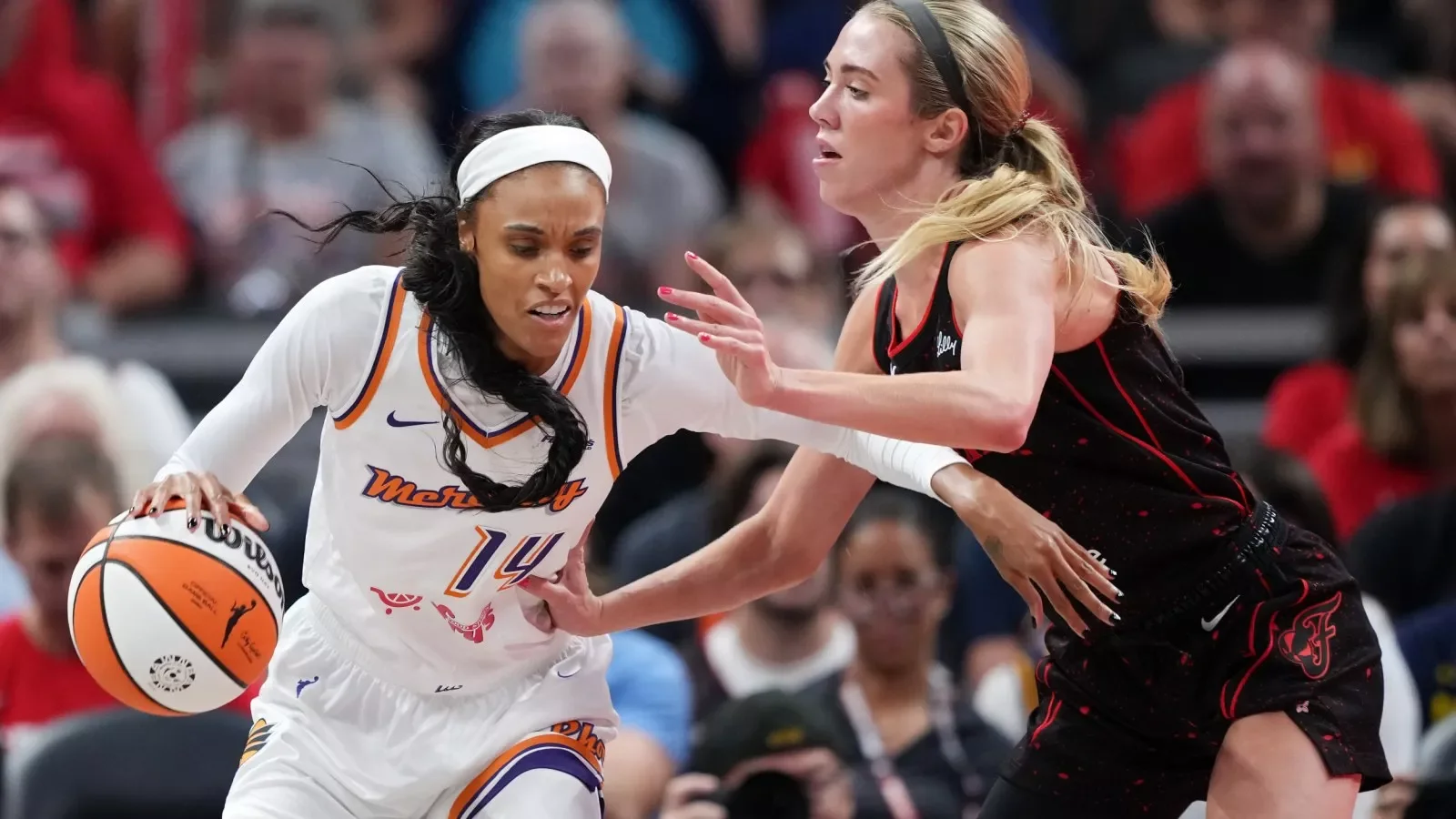

Last week, DeWanna Bonner faced boos from fans during her return to Indianapolis after leaving the Indiana Fever in June. Bonner parted ways with the Fever just nine games into the season before signing with the Phoenix Mercury, a move that sparked a strong response from local supporters. This reaction has ignited discussion around the DeWanna Bonner booing controversy within the <a href=”https://www.buzzineintl.com/category/basketball/wnba/”>WNBA community.
Cahleah Copper’s Defense of Bonner After the Booing Incident
Following the game where the booing occurred, Kahleah Copper, a star with the Phoenix Mercury, publicly condemned the fans’ behavior as disrespectful to Bonner and emphasized the forward’s esteemed status in the league. Copper’s comments highlighted the emotional aspect of fan reactions and the importance of showing respect to iconic players, even amid transitions between teams.
Candace Parker’s Perspective: Booing as a Sign of Prominence and Reality of the Game
WNBA legend Candace Parker entered the debate during her podcast Post Moves with Candace Parker and Aliyah Boston. Parker stated that she was not surprised by the fans booing Bonner and framed it as a sign of the growing attention on women’s basketball. She drew parallels with similar reactions from NBA players, suggesting this kind of fan response is common when star players leave a team.
“What did you expect? I think this puts women’s basketball on the map, I’m not going to lie. Because when KD [left], everybody waited for KD to go back to OKC. They booed him, Big shocker,”
Parker remarked sarcastically.
She listed other high-profile NBA examples where returning players were also booed, such as LeBron James in Cleveland and Kyrie Irving with his multiple team changes, emphasizing that in professional sports, this treatment is almost a recognition of a player’s stature.
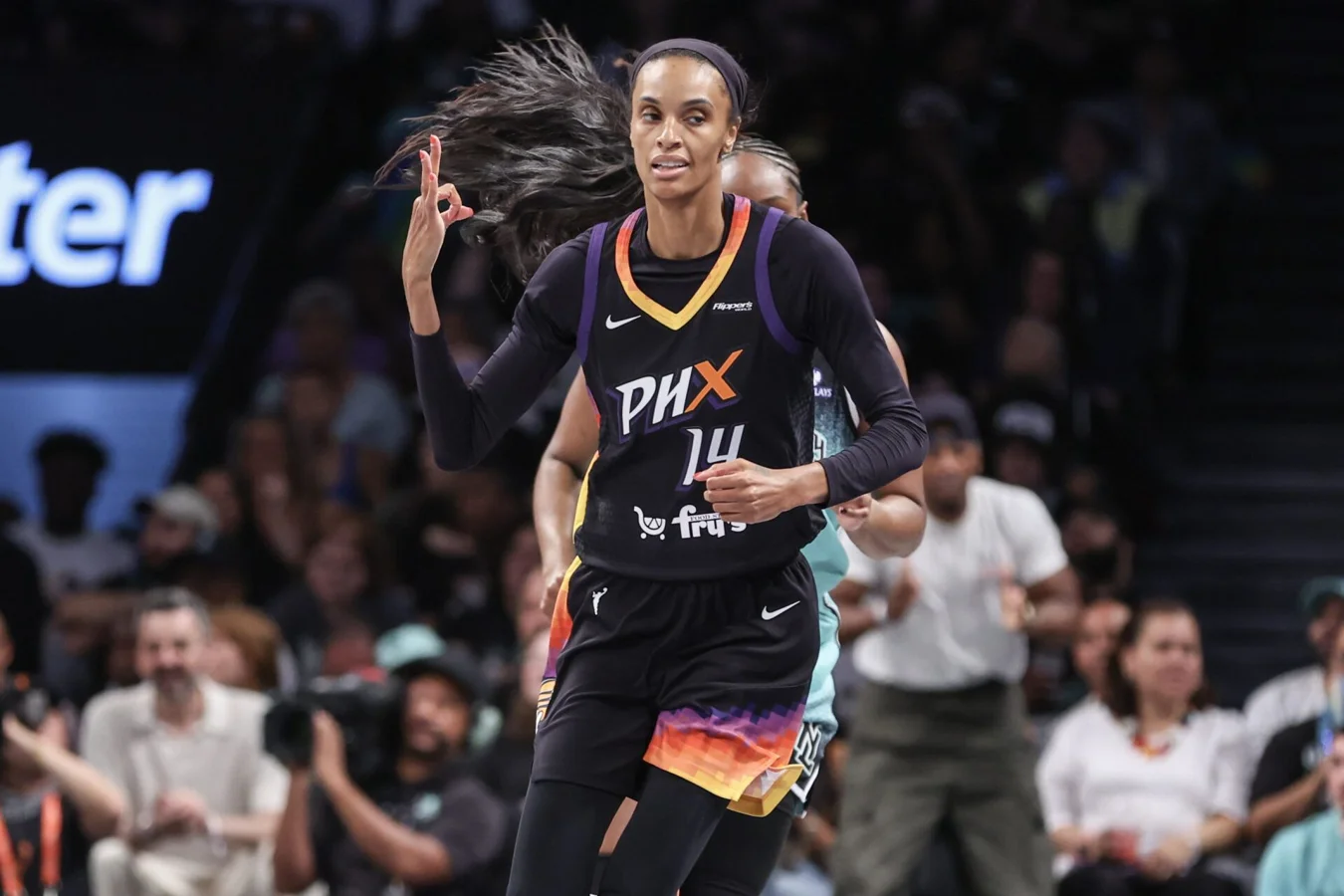
“Everybody waited for Bron to go back to Cleveland. Booed him. Everybody waited for Kyrie to go back to whatever team he went back to, because like, he went back to several. Luka, same thing,”
Parker said.
“Like, we can go down the line. It’s a privilege. It’s a privilege. And that was expected. To me, I love being booed.”
Balancing Respect and Fan Reaction in Professional Sports
Parker acknowledged that even though some fans might cross the line with harsh comments, occasional booing and heckling remain a common part of sports culture, sometimes serving as motivation for players. Still, she agreed with Copper that teammates have a responsibility to support one another publicly.
“To be honest with you, I feel like as a teammate, it’s Kahleah Copper’s job to stick up for her. But to be honest with you, like, DB had to expect this. When you make a conscious decision to leave somewhere and go somewhere else, it’s difficult. But you have to take what comes with it.”
Bonner’s legend status in the WNBA remains undisputed. While she and her Mercury teammates seek increased respect, the situation underscores the complex nature of athlete-fan relationships and how player movements within leagues can provoke intense reactions.
The Broader Significance of the Bonner Booing Incident
The DeWanna Bonner booing controversy highlights larger conversations about loyalty, respect, and rivalry in sports. It reflects how player transfers can stir deep emotions among fans and athletes alike. Parker’s comments suggest that such moments, while challenging, also signal heightened visibility for women’s basketball, marking its growth and increasing fan engagement. Moving forward, how players and teams navigate these reactions could influence the culture surrounding women’s professional sports.